Find a DBT Therapist for Sexual Trauma
This page features clinicians who focus on sexual trauma and use Dialectical Behavior Therapy (DBT) as their primary approach. Explore DBT-centered profiles below to find a therapist whose training and style fit your needs.


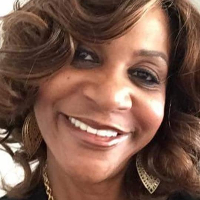
Dr. Daniella Jackson
LMHC
Florida - 20yrs exp







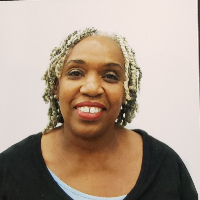




Barry Wasser
LCSW
New Jersey - 8yrs exp









Understanding Sexual Trauma and Its Common Effects
Sexual trauma can include a broad range of experiences that involve unwanted sexual contact, coercion, or exploitation. People who have experienced sexual trauma often describe ongoing emotional and behavioral impacts that touch many areas of life - from intense emotional reactions and difficulty trusting others to disruptions in relationships, sleep, and daily functioning. You may notice strong memories, flashbacks, enduring shame, or difficulty managing overwhelming feelings. These responses are understandable reactions to traumatic events and can take time and specific approaches to address effectively.
When sexual trauma interacts with other stressors or mental health concerns, it can intensify problems such as emotion dysregulation, interpersonal conflict, and patterns of avoidance or self-harm. Many people benefit from an approach that targets both the immediate skills needed to tolerate distress and the longer-term work of processing traumatic memories and rebuilding relational skills. DBT is a skills-focused form of therapy that can be adapted to meet these needs while keeping practical coping strategies at the center of treatment.
How DBT Specifically Treats Sexual Trauma
DBT applies a structured, skills-based model to help you gain tools for managing intense emotions, responding to triggers, and improving relationships. Rather than being a single technique, DBT offers a framework that integrates four core skill modules - mindfulness, distress tolerance, emotion regulation, and interpersonal effectiveness - which are often useful when working with the sequelae of sexual trauma. Therapists who use DBT for sexual trauma tailor these modules to address trauma-related problems while maintaining a focus on safety, stabilization, and functional change.
Mindfulness
Mindfulness skills help you become more aware of the present moment without judgment. For survivors of sexual trauma, mindfulness can create a new relationship to memories and bodily sensations that might otherwise trigger intense reactivity. You will learn techniques to notice thoughts and feelings as events that come and go, which can reduce the power of intrusive memories and help you choose responses rather than react automatically.
Distress Tolerance
Distress tolerance teaches strategies for getting through crisis moments when emotions feel overwhelming. These skills are practical for moments when flashbacks, panic, or intense shame arise. DBT offers grounding techniques, distraction methods, and ways to tolerate acute distress safely so that you can remain functional and avoid patterns of harm or avoidance while longer-term work proceeds.
Emotion Regulation
Emotion regulation skills help you understand and influence complex emotional patterns. Sexual trauma often leaves people with heightened sensitivity to emotional triggers and difficulty returning to baseline. In DBT you learn to identify triggers, reduce vulnerability to extreme emotions, and increase actions that create positive emotional change. Over time, this can reduce the frequency and intensity of distressing reactions.
Interpersonal Effectiveness
Interpersonal effectiveness focuses on communication, boundary-setting, and asserting your needs in relationships. After sexual trauma, relationships can feel fraught - you may struggle with trust, experience intense conflicts, or find it hard to negotiate safety and closeness. DBT provides concrete tools for strengthening how you relate to others, saying no when needed, and surviving social stressors with more confidence.
What to Expect in DBT for Sexual Trauma
DBT treatment typically combines several components so you can learn skills, apply them in daily life, and get targeted support when things become hard. If you engage in DBT for sexual trauma, you may participate in weekly skills training groups where you learn and practice the core modules in a structured way. These groups often feel educational and practice-oriented, so you leave with concrete strategies to use between sessions.
Individual DBT therapy complements group work by focusing on your specific history, goals, and patterns. In individual sessions you and your therapist will use DBT principles to prioritize behaviors that interfere with your safety and progress, work through trauma-related material at a pace you can handle, and tailor skill application to your life. Many DBT therapists who work with sexual trauma incorporate trauma-focused techniques within the DBT framework to address memories and meaning while maintaining stability.
Phone coaching is another component you may be offered - this provides brief, skills-focused support between sessions when you face a crisis or need help applying a skill in the moment. You will also typically complete diary cards or similar tracking tools to log emotions, urges, behaviors, and skill use. These records help you and your therapist notice patterns, measure progress, and decide what to focus on in sessions.
Evidence and Research Supporting DBT for Sexual Trauma
DBT was originally developed to treat emotion dysregulation and self-harm, and its skills-based focus has been adapted for trauma-related concerns. Research indicates that DBT and DBT-adapted programs can reduce self-harming behaviors, improve emotion regulation, and increase interpersonal functioning - outcomes that are often central for people recovering from sexual trauma. Clinicians and researchers have applied DBT principles in programs addressing post-traumatic stress symptoms and complex trauma, with promising results in improving coping and reducing crisis behaviors.
While no single approach fits everyone, the evidence supporting DBT's skills training for managing intense emotions and behaviors makes it a viable option for many survivors. When combined with trauma-focused processing and delivered by clinicians experienced in both DBT and trauma work, the approach can offer a balance of stabilization and change. If you are curious about the research, asking a prospective therapist about their clinical outcomes, adaptations for trauma, and how they measure progress can help you assess fit.
How Online DBT Works for Sexual Trauma
Online DBT translates well to virtual formats because much of the work is skills-based practice, teaching, and coaching that can be accomplished via video and secure messaging. You can attend skills groups, participate in individual sessions, and receive coaching between sessions from a distance. Many people find that virtual DBT makes it easier to maintain attendance and practice skills in the actual contexts where they need them, such as at home or during everyday stressors.
When using online DBT, it helps to create a comfortable environment for sessions where you can focus and feel safe. You will want to discuss with your therapist how to handle crises that might arise during remote sessions and what local resources are available to you. Technology can support access to worksheets, video lessons, and digital diary cards, which can make skill practice more convenient and consistent.
Choosing the Right DBT Therapist for Sexual Trauma
Finding the right DBT therapist for sexual trauma is a personal process. Look for clinicians who have formal DBT training and who describe experience working with trauma and survivors of sexual harm. Ask about how they integrate DBT skills with trauma-focused methods, whether they offer both skills groups and individual therapy, and how they provide coaching between sessions. You may also want to inquire about their approach to pacing trauma processing, their cultural competence, and how they collaborate with you to set goals.
Compatibility matters - you should feel heard and respected when you first speak with a therapist. It is reasonable to ask about their experience with issues similar to yours, how they measure progress, and what a typical course of treatment might look like. Practical considerations such as session format, availability, fee structure, and whether they accept your insurance also play a role in choosing a good match.
Moving Forward
DBT offers a practical, skills-focused path for many people working to recover from sexual trauma. By strengthening your ability to tolerate distress, regulate emotions, stay present, and manage relationships, DBT can give you tools to reduce crisis behaviors and build a life aligned with your values. If you are ready to explore DBT for sexual trauma, begin by reviewing clinician profiles below, reach out to therapists who describe trauma expertise and DBT training, and ask questions that help you feel confident about the therapeutic fit. With the right clinician and a clear plan, you can find a path forward that emphasizes stabilization, resilience, and meaningful change.
Find Sexual Trauma Therapists by State
Alabama
13 therapists
Alaska
2 therapists
Arizona
22 therapists
Arkansas
6 therapists
Australia
48 therapists
California
96 therapists
Colorado
40 therapists
Connecticut
5 therapists
Delaware
2 therapists
Florida
153 therapists
Georgia
42 therapists
Hawaii
8 therapists
Idaho
15 therapists
Illinois
42 therapists
Indiana
28 therapists
Iowa
11 therapists
Kansas
12 therapists
Kentucky
9 therapists
Louisiana
22 therapists
Maine
7 therapists
Maryland
12 therapists
Massachusetts
11 therapists
Michigan
50 therapists
Minnesota
15 therapists
Mississippi
11 therapists
Missouri
44 therapists
Montana
12 therapists
Nebraska
11 therapists
Nevada
4 therapists
New Hampshire
3 therapists
New Jersey
23 therapists
New Mexico
10 therapists
New York
55 therapists
North Carolina
60 therapists
North Dakota
2 therapists
Ohio
36 therapists
Oklahoma
13 therapists
Oregon
16 therapists
Pennsylvania
42 therapists
Rhode Island
2 therapists
South Carolina
29 therapists
South Dakota
2 therapists
Tennessee
30 therapists
Texas
125 therapists
United Kingdom
246 therapists
Utah
21 therapists
Vermont
5 therapists
Virginia
20 therapists
Washington
18 therapists
West Virginia
5 therapists
Wisconsin
32 therapists
Wyoming
8 therapists