Find a DBT Therapist for Self-Harm
This page lists therapists who specialize in treating self-harm using the Dialectical Behavior Therapy (DBT) approach. Browse the DBT clinician profiles below to find practitioners offering skills-based treatment, group training and individual support.


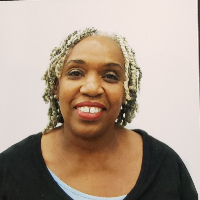
Dr. Daniella Jackson
LMHC
Florida - 20yrs exp







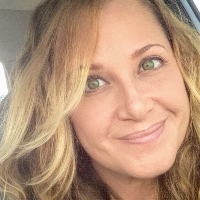
Barry Wasser
LCSW
New Jersey - 8yrs exp













Understanding Self-Harm and Its Impact
Self-harm can take many forms and often serves as a way for people to manage overwhelming feelings, intense emotional pain, or dissociation. You may be exploring help because you or someone you care about uses self-harm to reduce distress, to feel a sense of control, or to communicate needs that feel otherwise impossible to express. Regardless of the reasons, self-harm can affect relationships, daily functioning, and your sense of well-being. It is common for people who engage in self-harm to feel a mix of shame, relief, confusion, and exhaustion, and those feelings can make seeking help feel daunting.
Why DBT Is a Good Fit for Self-Harm
DBT was developed as a skills-based form of therapy that directly addresses behaviors like self-harm by teaching alternatives for coping and building a life worth living. Unlike approaches that focus primarily on insight, DBT emphasizes practical, teachable skills that you can use in the moment when urges arise. The therapy is organized around four core modules - mindfulness, distress tolerance, emotion regulation, and interpersonal effectiveness - and each of these targets a part of the experience that often underlies self-harm. Mindfulness helps you notice urges and emotions without being swept away by them. Distress tolerance gives you ways to get through acute crises without using self-harm. Emotion regulation teaches longer-term strategies to reduce vulnerability to intense states. Interpersonal effectiveness helps you express needs and set boundaries so that relationships generate less chaos and pain.
How the Four DBT Skills Work Together
When you learn DBT skills, they do not exist in isolation. Mindfulness is foundational - it trains you to observe what is happening in your body and mind so you can spot the early signs of a crisis. Distress tolerance provides techniques you can use in the moments when an urge is strongest, such as grounding exercises or short-term strategies that change your physiological response. Emotion regulation focuses on patterns that contribute to intense, frequent emotions and teaches you ways to change those patterns over time. Interpersonal effectiveness supports healthier connections so that relational stressors are less likely to trigger harm. Together, these modules give you both immediate tools for coping and the longer-term capacity to reduce the frequency and intensity of crises.
What to Expect in DBT Treatment for Self-Harm
If you begin DBT for self-harm, treatment typically includes several coordinated elements that work together to help you apply skills in daily life. Individual therapy sessions focus on your specific behaviors and goals, and your therapist will help you break down the chain of events that lead to self-harm so you can practice alternatives. Skills training groups provide structured teaching and practice of the four DBT modules with other participants, which helps normalize struggles and builds mastery. Many DBT programs also offer phone coaching or in-session coaching to help you use skills when a crisis is unfolding. A common DBT tool is the diary card - a brief daily record of urges, behaviors, emotions, and which skills you used - and this becomes a focus of review so you and your therapist can spot patterns and adjust strategies.
Over time, you can expect a mix of teaching, behavior analysis, and in-the-moment coaching. The goal in early stages is often to reduce life-threatening behaviors and reduce immediate risk. As treatment progresses, the focus shifts toward decreasing behaviors that interfere with quality of life, building a life that feels meaningful, and strengthening relationships and emotional stability.
Typical Session Structure and Support
In individual DBT sessions you will work collaboratively with your therapist to prioritize targets and plan for upcoming challenges. Skills groups usually meet weekly and follow a curriculum that cycles through the four modules. Phone coaching is meant to be practical and short-term - your therapist or coach may help you through a specific situation by reminding you of skills and guiding your steps. Diary cards function as both a monitoring tool and a bridge between sessions, making progress visible and providing concrete topics for discussion. When you choose a DBT provider, ask how these elements are coordinated and how crisis support is handled between appointments.
Research and Evidence for DBT and Self-Harm
DBT has been the subject of multiple research studies that examine its effects on behaviors like self-harm and suicidal actions. Clinical trials and follow-up studies have demonstrated that DBT can reduce the frequency of self-injurious behaviors and decrease hospitalization in many people who engage in these behaviors. Researchers attribute this effectiveness to the combination of skills training, behavior-focused individual therapy, and structured support that DBT provides. While outcomes vary by individual and context, evidence consistently points to DBT as a leading skills-based approach for addressing self-harm.
How Online DBT Works for Self-Harm
Online DBT adapts the same core components to virtual formats, and many people find that skills practice, group learning, and coaching translate well to video and phone sessions. When DBT is offered online, group sessions can still provide interactive teaching and role-play, and individual sessions can be used for behavior analysis and diary card review. Phone coaching or messaging support may be delivered through scheduled check-ins or brief contacts to help you use skills during a crisis. You should expect clear plans for emergencies, and therapists will discuss how to manage risk and involve local resources if needed. Virtual DBT can increase access if in-person groups are not available where you live, and it can make it easier to maintain continuity when life or circumstances change.
Choosing the Right DBT Therapist for Self-Harm
Finding a therapist who specializes in DBT for self-harm means looking for specific skills and program elements as well as a fit with your needs. You may want to ask prospective therapists about their DBT training and experience with treating self-harm, whether they offer a structured DBT program that includes skills groups and coaching, and how they track progress with tools like diary cards. Consider how they handle safety planning and crisis contacts, and whether they can coordinate care with other supports in your life. It is also important to think about accessibility - whether they offer telehealth, their availability for coaching, and if their fees or insurance options match your situation. Finally, the relationship matters: you should feel that your therapist listens and helps you apply skills in ways that make sense for your circumstances.
Questions to Ask a Potential DBT Provider
When you contact a DBT therapist, you can ask about their approach to treating self-harm, how they integrate the four DBT modules into treatment, and what a typical week of therapy looks like. Ask whether they run skills groups and how phone coaching is available, and inquire about how progress is measured and how long treatment typically lasts. It is reasonable to ask for examples of strategies they use to help clients move from crisis management to building a more stable life. Clear answers to these questions can help you decide if a provider offers the structure and support you need.
Moving Forward with DBT
Deciding to seek DBT for self-harm is a meaningful step. You can expect a treatment that balances immediate crisis tools with long-term skill building, all framed by a practical emphasis on changing behaviors and building resilience. Whether you choose in-person or online DBT, aim to find a program that provides coordinated individual therapy, skills training, and access to coaching when urges arise. With consistent practice and a collaborative approach, many people find that DBT equips them with alternatives to self-harm and a clearer path to managing emotions and relationships. Use the listings above to connect with clinicians who specialize in DBT for self-harm and to ask the questions that matter for your recovery journey.
Find Self-Harm Therapists by State
Alabama
17 therapists
Alaska
2 therapists
Arizona
23 therapists
Arkansas
7 therapists
Australia
63 therapists
California
103 therapists
Colorado
39 therapists
Connecticut
8 therapists
Delaware
2 therapists
Florida
143 therapists
Georgia
46 therapists
Hawaii
6 therapists
Idaho
15 therapists
Illinois
51 therapists
Indiana
33 therapists
Iowa
13 therapists
Kansas
17 therapists
Kentucky
15 therapists
Louisiana
29 therapists
Maine
4 therapists
Maryland
10 therapists
Massachusetts
15 therapists
Michigan
63 therapists
Minnesota
21 therapists
Mississippi
11 therapists
Missouri
50 therapists
Montana
13 therapists
Nebraska
11 therapists
Nevada
5 therapists
New Hampshire
1 therapist
New Jersey
21 therapists
New Mexico
8 therapists
New York
64 therapists
North Carolina
72 therapists
North Dakota
2 therapists
Ohio
29 therapists
Oklahoma
26 therapists
Oregon
11 therapists
Pennsylvania
60 therapists
Rhode Island
2 therapists
South Carolina
26 therapists
South Dakota
3 therapists
Tennessee
27 therapists
Texas
124 therapists
United Kingdom
293 therapists
Utah
24 therapists
Vermont
5 therapists
Virginia
23 therapists
Washington
23 therapists
West Virginia
9 therapists
Wisconsin
32 therapists
Wyoming
11 therapists