Find a DBT Therapist for OCD
On this page you'll find clinicians who use Dialectical Behavior Therapy (DBT) to help people manage OCD symptoms through skills training and practical strategies. Each listing highlights a clinician's DBT focus, credentials, and approach to working with obsessive thoughts and compulsive behaviors. Browse the profiles below to find a therapist whose experience and style match your needs.



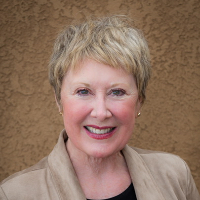
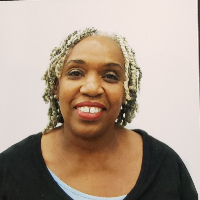
Dr. Daniella Jackson
LMHC
Florida - 20yrs exp









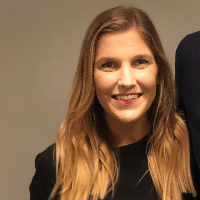
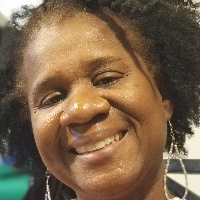
Barry Wasser
LCSW
New Jersey - 8yrs exp







Understanding OCD and how it can affect you
Obsessive-compulsive disorder often shows up as recurring, intrusive thoughts or images that feel distressing and hard to dismiss. Those thoughts lead many people to carry out repetitive behaviors or mental routines in an attempt to reduce anxiety, avoid feared outcomes, or feel more in control. The cycle of obsession and compulsion can be exhausting and time-consuming, and it may interfere with work, relationships, and daily routines. You might find yourself avoiding places, people, or tasks that trigger intense worry, or you may notice shame and frustration about how much time you spend trying to manage urges.
OCD varies widely from person to person. Some people experience primarily mental rituals that are not visible to others, while others have noticeable behaviors and patterns that draw attention. Because the condition touches your thoughts, feelings, and actions, treatment that addresses skills, coping strategies, and the ways you relate to your experience can be especially useful.
Why DBT can be helpful for OCD
Dialectical Behavior Therapy emphasizes skills training alongside individual therapy in a way that balances acceptance and change. That balance matters for OCD because you are often dealing with intense emotional reactions to intrusive thoughts while also needing tools to change unhelpful responses. DBT’s skills-based framework gives you practical techniques to notice and tolerate difficult internal experiences without automatically responding with compulsion.
DBT focuses on four core skills modules - mindfulness, distress tolerance, emotion regulation, and interpersonal effectiveness. Each module offers concrete practices that can be adapted to address the particular challenges of OCD. DBT-trained therapists often integrate these skills into treatment plans that target obsessive thinking and the behaviors that follow, helping you build a broader toolkit to respond differently to urges and fears.
Mindfulness
Mindfulness skills teach you to observe thoughts and feelings without immediately reacting. For someone with OCD, mindfulness can create a space between an intrusive thought and the urge to perform a ritual. In therapy you learn to label sensations, notice patterns, and let thoughts exist without needing to act on them. These practices do not erase thoughts, but they help reduce the automatic pull to respond to them in ways that reinforce the cycle.
Distress tolerance
Distress tolerance skills are about getting through moments of high anxiety or urge without resorting to compulsive behavior. These techniques include grounding practices, paced breathing, and strategies to ride out intense feelings until they peak and begin to subside. When you practice distress tolerance, you build confidence in your ability to withstand discomfort - a crucial step if you are working to reduce rituals that temporarily relieve anxiety.
Emotion regulation
Emotion regulation skills help you understand how emotions build and what you can do to influence their intensity over time. For OCD, emotion regulation work might involve identifying triggers, noting early signs of escalation, and planning actions that shift your emotional state in healthier directions. This module supports long-term change by helping you decrease vulnerability to intense negative emotion and increase behaviors that promote well-being.
Interpersonal effectiveness
Interpersonal effectiveness skills focus on communicating needs, setting boundaries, and maintaining relationships while managing emotional reactions. OCD can strain relationships when compulsions demand time or secrecy, when anxiety makes social situations difficult, or when others do not understand what you are experiencing. Learning to assertively express your needs and negotiate support helps you preserve connections and enlist allies in your recovery process.
What to expect in DBT treatment for OCD
A DBT program typically combines several elements that work together. Skills training groups provide structured lessons on the four modules, where you practice techniques in a group setting and apply them to real-life situations. In individual DBT sessions you and your therapist focus on your specific targets - patterns you want to change, skills you need to strengthen, and obstacles that come up between sessions. Therapists may use diary cards or mood tracking tools to monitor urges, skills practice, and behavior patterns so you can see progress over time.
Phone coaching or brief between-session coaching is a hallmark of DBT. It gives you access to guidance when intense urges arise or when you need immediate help applying a skill in a triggering moment. Many people find that just-in-time coaching helps them generalize skills to daily life and prevents small slips from turning into larger setbacks.
DBT for OCD may also be adapted to include exposure-based exercises or other strategies your therapist deems relevant. The emphasis remains on teaching and rehearsing specific skills so that you can tolerate distress and respond in ways that align with your long-term goals. Your therapist will typically collaborate with you to set clear goals, decide on treatment priorities, and measure progress through regular reviews.
Research and evidence supporting DBT for OCD
Research into DBT as a direct intervention for OCD is growing. While DBT was originally developed for conditions characterized by emotion dysregulation, clinicians have adapted its skills-based model for obsessive-compulsive symptoms with promising clinical reports and pilot studies. Evidence suggests that when DBT principles are applied to OCD - especially for individuals who struggle with intense emotion, avoidance, or co-occurring conditions - skills training can complement exposure and response strategies and improve coping.
If you are interested in the scientific basis for treatment choices, ask potential therapists about their experience with DBT adaptations for OCD and any outcome measures they use. A thoughtful clinician will explain how DBT skills intersect with other evidence-based practices and how they tailor interventions to your situation.
How online DBT works for OCD
Online DBT translates well to virtual care because the approach relies heavily on teaching, practicing, and applying skills - activities that can be done effectively over video. Skills groups can be run live through secure video sessions where you learn and practice with peers. Individual sessions allow for in-depth case formulation, skills coaching, and collaborative problem-solving. Diary cards and practice assignments are often shared digitally so you and your therapist can track patterns between sessions.
Phone or text-based coaching can be adapted to the technology you prefer, offering timely support when you encounter urges or need guidance applying a skill. Many people find that online formats increase access to DBT specialists who understand OCD, reduce travel time, and make it easier to fit regular skills practice into a busy schedule. When choosing online care, consider factors like session structure, how coaching is delivered, and the therapist’s comfort working virtually.
Choosing the right DBT therapist for OCD
Finding a therapist who understands both OCD and DBT will help ensure you get a treatment plan that focuses on skills and real-world application. Look for clinicians who list DBT training, explain how they integrate the four skill modules with OCD-focused goals, and describe their approach to monitoring progress. You might ask how they structure sessions, whether they run skills groups, and how they provide between-session coaching.
It is also useful to ask about experience working with issues similar to yours, how they measure outcomes, and how they involve you in setting treatment priorities. Practical considerations such as availability, session length, fees, and whether they offer online appointments will influence whether their approach fits your life. Trust how a therapist explains the process - clear, collaborative descriptions of skills, diary cards, and coaching indicate a practitioner who emphasizes usable tools and measurable change.
If you are ready to explore DBT for OCD, begin by reviewing clinician profiles below and requesting an initial consultation. Many therapists offer a brief intake or phone call to discuss fit and approach, which can help you decide who feels like the best match. With the right DBT-trained clinician, you can learn practical skills to manage urges, navigate intense emotions, and rebuild routines that matter to you.
Find OCD Therapists by State
Alabama
18 therapists
Arizona
15 therapists
Arkansas
8 therapists
Australia
47 therapists
California
79 therapists
Colorado
27 therapists
Connecticut
8 therapists
Delaware
1 therapist
Florida
145 therapists
Georgia
41 therapists
Hawaii
4 therapists
Idaho
10 therapists
Illinois
44 therapists
Indiana
26 therapists
Iowa
12 therapists
Kansas
16 therapists
Kentucky
14 therapists
Louisiana
25 therapists
Maine
5 therapists
Maryland
11 therapists
Massachusetts
10 therapists
Michigan
64 therapists
Minnesota
20 therapists
Mississippi
7 therapists
Missouri
41 therapists
Montana
10 therapists
Nebraska
10 therapists
Nevada
2 therapists
New Hampshire
4 therapists
New Jersey
20 therapists
New Mexico
6 therapists
New York
74 therapists
North Carolina
53 therapists
North Dakota
2 therapists
Ohio
30 therapists
Oklahoma
26 therapists
Oregon
10 therapists
Pennsylvania
53 therapists
Rhode Island
3 therapists
South Carolina
18 therapists
South Dakota
1 therapist
Tennessee
29 therapists
Texas
118 therapists
United Kingdom
279 therapists
Utah
22 therapists
Vermont
3 therapists
Virginia
18 therapists
Washington
18 therapists
West Virginia
12 therapists
Wisconsin
29 therapists
Wyoming
6 therapists