Find a DBT Therapist for Gambling
On this page you will find therapists who practice Dialectical Behavior Therapy (DBT) with a focus on gambling-related problems. If you are seeking DBT-informed care for gambling urges, compulsive betting, or financial and relationship impacts, browse the listings below to view profiles and contact options.


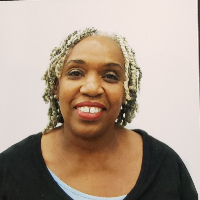
Dr. Daniella Jackson
LMHC
Florida - 20yrs exp



















Understanding Gambling and Its Impact
Gambling can range from occasional recreational play to persistent patterns that interfere with work, relationships, and daily functioning. For many people the appeal is an emotional lift - a rush of excitement or a temporary escape from stress. Over time those short-term rewards can lead to repeated risky choices, mounting financial strain, strained trust with loved ones, and intense feelings of shame, anxiety, or hopelessness. You do not need to have severe symptoms for gambling to be causing harm in your life - even patterns that feel small can have ripple effects.
Gambling behaviors often interact with emotional triggers, interpersonal stress, and impulse control. Because these behaviors are frequently tied to intense feelings and momentary urges, treatments that teach concrete skills for managing emotion and urge-driven behavior can be particularly helpful. DBT offers a structured, skills-based approach that addresses the emotional and behavioral patterns that maintain problematic gambling.
How DBT Addresses Gambling
Dialectical Behavior Therapy was originally developed to help people manage intense emotions and reduce self-harming behaviors. At its core DBT teaches four skill modules - mindfulness, distress tolerance, emotion regulation, and interpersonal effectiveness. Each of these modules offers tools you can apply directly to urges to gamble and the situations that trigger them.
Mindfulness skills help you notice urges and thoughts without acting on them. Rather than being swept away by the impulse to place a bet, you learn to observe the bodily sensations and mental images that arise and to create a space between feeling and action. That moment of awareness is often where choices become possible.
Distress tolerance provides strategies for getting through intense moments without making things worse. When gambling has been a way to avoid or numb pain, distress tolerance exercises give you alternative ways to tolerate discomfort. These skills focus on short-term survival techniques you can use in high-risk moments so that you avoid impulsive decisions that have long-term consequences.
Emotion regulation teaches you to understand and influence the intensity of feelings that often drive gambling. You learn to identify which emotions are fueling urges, to adjust your exposure to triggering situations, and to build routines that lower baseline emotional reactivity. Over time these strategies decrease the frequency and intensity of urges to gamble.
Interpersonal effectiveness helps you navigate the social and financial consequences of gambling. Whether you need to set boundaries with people who enable the behavior, negotiate household finances, or rebuild trust after losses, these skills support clearer communication and more effective decision making in relationships.
What to Expect in DBT Treatment for Gambling
DBT for gambling typically combines several treatment components that work together. Individual therapy focuses on your goals, problem areas, and a plan to reduce gambling-related harm. In these sessions your therapist will use behavioral analysis to identify what maintains the gambling pattern and to teach and coach specific DBT skills tailored to your situation. You and your therapist will track progress and work on problems that arise between sessions.
Skills training groups provide a structured environment where you learn and practice the four DBT modules with peers. Group teaching helps you see how others apply the skills and offers opportunities to role-play interpersonal scenarios. Skills classes are a practical way to build a toolkit you can use in real life.
Phone coaching - often offered between sessions - gives you on-the-spot guidance when an urge or high-risk situation occurs. A brief coaching call or message from a DBT-trained therapist can help you choose a skill in the moment and follow through on a plan to avoid gambling.
Diary cards are a common DBT tool used to track urges, skills use, and target behaviors over time. Filling out a diary card helps you and your therapist spot patterns - such as particular times of day, emotions, or interactions that trigger gambling - and to measure progress as you practice new responses.
Session Structure and Goals
Early sessions often focus on safety and harm reduction, stabilizing finances where possible, and building crisis plans for high-risk moments. As you learn and master skills the treatment shifts toward relapse prevention and rebuilding routines, relationships, and long-term goals. Many therapists emphasize a collaborative approach - you and your therapist prioritize what feels most important and create concrete, achievable steps toward change.
Evidence and Research on DBT for Gambling
Research and clinical application of DBT for gambling-related problems have expanded in recent years. While DBT was not developed specifically for gambling, its emphasis on managing impulsive behavior and intense emotion makes it a relevant and adaptable framework. Studies and clinical reviews suggest that skills training and behavioral components of DBT can reduce impulsive behaviors and improve coping in people with compulsive habits. Clinicians also report that the combination of individual therapy, group skills training, and between-session coaching translates well to addressing gambling triggers and relapse cycles.
It is important to note that research is ongoing and that individual responses vary. When discussing treatment with a clinician you can ask about their experience applying DBT to gambling and whether they draw on outcome data or treatment adaptations in their practice.
How Online DBT Works for Gambling
Online DBT can be highly effective for gambling because the skills and coaching components adapt well to telehealth. You can attend skills groups via video, meet with your individual therapist remotely, and use digital diary cards to track urges and skills use. Between-session coaching can be offered through brief phone calls or messaging, providing timely support when you face a high-risk moment.
Virtual sessions also make it easier to fit treatment into a busy schedule and to access therapists who specialize in DBT for gambling regardless of geographic location. You should check how a therapist structures online work - for example whether they offer live-group training, recorded materials for practice, and consistent coaching windows for urgent needs.
Tips for Choosing the Right DBT Therapist for Gambling
When selecting a therapist look for someone with specific DBT training and experience applying those skills to gambling or other impulse-driven behaviors. Ask how they integrate the four DBT modules into treatment for gambling and what a typical session plan looks like. Inquire about the availability of skills groups and phone coaching, and how diary cards and behavioral tracking are used in their approach.
It can be helpful to discuss goals up front - whether your focus is harm reduction, stopping gambling entirely, repairing relationships, or stabilizing finances - so you and your therapist can align on a plan. Also ask about practical matters such as session frequency, cancellation policies, fees, and whether they offer telehealth if that is important to you.
Finally, consider how comfortable you feel with a clinician's style. DBT often requires honest tracking of behaviors and consistent practice of skills, so a therapist who balances support with clear behavioral expectations can be a strong fit. Trust your judgment about whether the therapist's approach feels collaborative, respectful, and targeted to your needs.
Moving Forward
If gambling is causing distress or interfering with your life, DBT offers a concrete, skills-based pathway to better manage urges and build alternative ways of coping. By learning mindfulness, distress tolerance, emotion regulation, and interpersonal effectiveness you gain tools you can use immediately in high-risk moments and over the long term. Use the listings above to find DBT therapists who focus on gambling, review their profiles, and reach out to ask about treatment structure and fit. Taking the first step to connect with a therapist can help you develop a practical plan for change and regain control over decisions that matter to you.
Find Gambling Therapists by State
Alabama
14 therapists
Alaska
2 therapists
Arizona
14 therapists
Arkansas
5 therapists
Australia
33 therapists
California
64 therapists
Colorado
22 therapists
Connecticut
4 therapists
Delaware
3 therapists
Florida
94 therapists
Georgia
29 therapists
Hawaii
5 therapists
Idaho
12 therapists
Illinois
31 therapists
Indiana
16 therapists
Iowa
7 therapists
Kansas
10 therapists
Kentucky
5 therapists
Louisiana
18 therapists
Maine
2 therapists
Maryland
6 therapists
Massachusetts
4 therapists
Michigan
34 therapists
Minnesota
13 therapists
Mississippi
7 therapists
Missouri
21 therapists
Montana
5 therapists
Nebraska
7 therapists
Nevada
1 therapist
New Hampshire
2 therapists
New Jersey
7 therapists
New Mexico
9 therapists
New York
27 therapists
North Carolina
43 therapists
Ohio
16 therapists
Oklahoma
13 therapists
Oregon
9 therapists
Pennsylvania
34 therapists
Rhode Island
1 therapist
South Carolina
14 therapists
South Dakota
3 therapists
Tennessee
13 therapists
Texas
77 therapists
United Kingdom
201 therapists
Utah
20 therapists
Vermont
1 therapist
Virginia
9 therapists
Washington
13 therapists
West Virginia
6 therapists
Wisconsin
18 therapists
Wyoming
5 therapists