Find a DBT Therapist for Coping with Life Changes
This page lists DBT therapists who specialize in Coping with Life Changes, focusing on skills-based treatment to help people manage transitions and unexpected stressors. Browse the listings below to compare clinicians, learn about their DBT approach, and find a therapist who fits your needs.



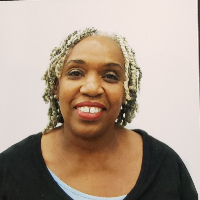
Dr. Daniella Jackson
LMHC
Florida - 20yrs exp




















Understanding Coping with Life Changes
Life changes - whether planned or sudden - can unsettle routines, relationships, identity, and emotional balance. You might experience intense worry, mood swings, loneliness, or difficulty making decisions when a job ends, a relationship shifts, a health concern emerges, or when you move through major developmental milestones. These reactions are common. They become a problem when they make it hard to function, leave you feeling overwhelmed, or interfere with the goals you want to pursue.
When you seek help for coping with life changes, you are looking for practical tools to manage emotions, handle crises, and rebuild a sense of stability. Dialectical Behavior Therapy - DBT - is a skills-based approach that is well suited to that work because it teaches concrete strategies for observing your experience, tolerating distress, regulating intense emotions, and communicating effectively with others.
How DBT Approaches Life Transitions
DBT is built around four core skill modules - mindfulness, distress tolerance, emotion regulation, and interpersonal effectiveness. Each module offers a different set of practices that you can apply directly to the ups and downs of change. Rather than a purely insight-focused therapy, DBT combines behavioral strategies with ongoing skills practice so you can respond differently in the moment and over time.
Mindfulness - Staying Present Amid Change
Mindfulness skills help you notice thoughts, sensations, and impulses without getting swept away by them. During transitions you may replay what happened, imagine negative futures, or get flooded by strong sensations. Practicing mindfulness trains you to observe those reactions, ground yourself, and make more intentional choices. That creates space between feeling and action, which is useful when you must make decisions or tolerate uncertainty.
Distress Tolerance - Riding Out Intense Moments
Distress tolerance gives you strategies for getting through acute distress without making things worse. These skills include brief distraction techniques, grounding exercises, and ways to accept what cannot be immediately changed. When a life change triggers panic or despair, distress tolerance tools help you reduce the urgency of those moments so you can respond with greater clarity.
Emotion Regulation - Changing How Strong Emotions Affect You
Emotion regulation focuses on understanding patterns that lead to overwhelming moods and developing routines that support steadier emotional functioning. You learn to identify triggers, build habits that improve mood over time, and practice skills that lower emotional intensity. That is especially helpful during prolonged transitions when repeated stressors can wear you down.
Interpersonal Effectiveness - Navigating Relationships During Change
Interpersonal effectiveness teaches you how to assert needs, set boundaries, and maintain relationships when roles shift. Change often requires conversations about expectations, support, and limits. These skills help you express yourself clearly while preserving important connections, or ending interactions that no longer serve you, in ways that match your values.
What to Expect in DBT for Coping with Life Changes
If you choose DBT for life transitions, a typical program includes several elements that work together. You will usually attend individual therapy, participate in skills training - often in a group format - and have access to between-session coaching. Your therapist will also ask you to use diary cards or brief tracking tools to note how skills practice, urges, and emotional states unfold day to day. This combination keeps therapy focused on learning and applying skills in real world situations.
In the first sessions you can expect a collaborative assessment and goal-setting conversation. You and your therapist will identify the problems the life change is creating and prioritize skills that target those areas. Skills training sessions teach and rehearse techniques, while individual sessions focus on applying those techniques to your personal challenges. Coaching between sessions gives you on-the-spot guidance when you face a difficult interaction or a high-emotion moment.
Research and Evidence Supporting DBT
DBT has a strong evidence base for improving emotion regulation, reducing impulsive behaviors, and helping people tolerate crisis. While much of the early research focused on specific diagnoses, clinicians have adapted DBT successfully for a range of life stresses and transitions because the core skills address fundamental self-regulation and relational abilities. Clinical studies and outcome reports indicate that DBT's skills-focused training can increase coping capacity, reduce the intensity and frequency of distress, and improve functioning in everyday life.
When you consider evidence, look for therapists who can describe how they measure progress - for example through symptom tracking, diary cards, or defined behavioral goals - and who apply DBT principles in a way that fits your situation. The emphasis on observable skill growth makes progress easier to track than in therapies that rely solely on insight or talk alone.
How Online DBT Works for Life Changes
Online DBT translates well to coping with life transitions. Skills training can be delivered through video group sessions where you learn and practice with others facing similar challenges. Individual sessions work effectively over video because you can role play, create behavior plans, and review diary cards together. Between-session coaching by phone or message helps you apply skills right when you need them, which is often the difference between reacting and choosing a healthier response.
Virtual sessions also make it easier to maintain continuity during upheaval. If you relocate, change work schedules, or need a flexible option while managing other responsibilities, online DBT can reduce barriers to consistent participation. When evaluating online options, check whether the therapist explains how they run skills groups virtually and how they support between-session practice and safety planning.
Choosing the Right DBT Therapist for Your Transition
Finding the right DBT therapist involves more than credentials. Look for someone with explicit DBT training and experience applying the modules to life transitions similar to yours. Ask how they adapt skills to your cultural background, family situation, and daily routines. A good clinician will explain how they structure therapy - how individual sessions relate to skills training, what their expectations are for diary card completion, and how they provide between-session coaching.
Consider practical factors as well - the therapist's availability, whether they offer group skills training, insurance and fee options, and their experience with online formats if you prefer virtual care. It is reasonable to ask about typical session flow and how they measure progress. Trust your sense of fit when you meet a therapist - you should feel heard and understood, and you should come away with clear next steps and small skills to try between sessions.
Making DBT Skills Part of Your Daily Life
DBT is effective for coping with life changes because it teaches skills you can use immediately and refine over time. Start by practicing short mindfulness exercises to reduce reactivity, use distress tolerance strategies in moments of overwhelm, experiment with one emotion regulation technique to shift intense moods, and rehearse a single interpersonal skill before a difficult conversation. As you integrate these practices, you will likely notice greater steadiness and more options for responding to the unpredictable elements of change.
Change is rarely a straight line. DBT gives you tools to navigate the setbacks and to keep moving toward the life you want. When you are ready, browse the therapists listed above, read their DBT approach, and reach out to compare how they work with people facing transitions. The right therapist can help you turn difficult change into a process of learning and growth.
Find Coping with Life Changes Therapists by State
Alabama
51 therapists
Alaska
5 therapists
Arizona
55 therapists
Arkansas
24 therapists
Australia
90 therapists
California
270 therapists
Colorado
88 therapists
Connecticut
29 therapists
Delaware
8 therapists
District of Columbia
3 therapists
Florida
354 therapists
Georgia
134 therapists
Hawaii
14 therapists
Idaho
26 therapists
Illinois
125 therapists
Indiana
65 therapists
Iowa
21 therapists
Kansas
26 therapists
Kentucky
29 therapists
Louisiana
66 therapists
Maine
20 therapists
Maryland
32 therapists
Massachusetts
42 therapists
Michigan
143 therapists
Minnesota
54 therapists
Mississippi
31 therapists
Missouri
91 therapists
Montana
29 therapists
Nebraska
26 therapists
Nevada
12 therapists
New Hampshire
9 therapists
New Jersey
50 therapists
New Mexico
21 therapists
New York
155 therapists
North Carolina
163 therapists
North Dakota
7 therapists
Ohio
84 therapists
Oklahoma
44 therapists
Oregon
36 therapists
Pennsylvania
107 therapists
Rhode Island
4 therapists
South Carolina
74 therapists
South Dakota
7 therapists
Tennessee
56 therapists
Texas
313 therapists
United Kingdom
365 therapists
Utah
50 therapists
Vermont
10 therapists
Virginia
49 therapists
Washington
48 therapists
West Virginia
15 therapists
Wisconsin
62 therapists
Wyoming
19 therapists