Find a DBT Therapist for Bipolar
This directory lists clinicians who use Dialectical Behavior Therapy to address bipolar-related mood instability, impulsive behaviors, and relationship challenges. You will find information about each therapist's DBT training, treatment focus, and delivery format. Browse the listings below to compare options and connect with a clinician who fits your needs.



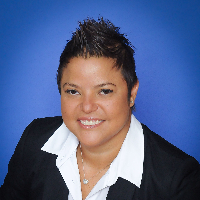
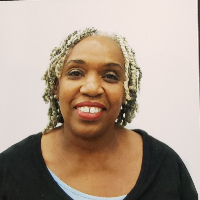
Dr. Daniella Jackson
LMHC
Florida - 20yrs exp



















Understanding Bipolar and How It Commonly Affects You
Bipolar describes patterns of mood elevation and depression that vary in intensity and duration. For many people, those mood shifts influence energy, sleep, thinking, and the ease with which you manage daily responsibilities. You may find periods of heightened activity, racing thoughts, or impulsive decisions followed by times of low motivation, fatigue, or difficulty concentrating. These shifts can affect work, relationships, and your sense of stability. Living with bipolar often means learning strategies to recognize early signs of change and to respond in ways that reduce harm and improve functioning.
Why DBT for Bipolar - A Skills-Based, Practical Approach
Dialectical Behavior Therapy was developed as a skills-focused treatment that helps people tolerate distress, regulate intense emotions, and improve interactions with others. While DBT originated for conditions marked by emotional dysregulation, its structure and tools map well onto the challenges many people with bipolar experience. DBT emphasizes concrete, teachable skills that you can practice in real life. Rather than focusing only on symptom labels, DBT helps you build capacities that reduce the impact of mood swings and support more consistent functioning.
Core DBT Modules and Their Relevance
The four core DBT skill modules - mindfulness, distress tolerance, emotion regulation, and interpersonal effectiveness - each offer practical benefits when tailored to bipolar-related challenges. Mindfulness helps you notice mood shifts and thought patterns without automatically reacting, so you can make clearer decisions earlier. Distress tolerance gives you ways to manage crisis moments when urges or overwhelming feelings rise, reducing the risk of impulsive actions. Emotion regulation teaches techniques to reduce emotional vulnerability and to recover more quickly from intense states. Interpersonal effectiveness improves communication and boundary-setting so relationships can remain more stable even during mood changes.
What to Expect in DBT for Bipolar
If you choose DBT for bipolar, you can expect a treatment model that combines skills training with individualized support. Skills training groups provide structured lessons and practice in the four DBT modules. In group sessions you learn material, role-play techniques, and discuss ways to apply skills to your life. Individual therapy focuses on applying those skills to your specific patterns - your therapist helps you track mood, test out new responses, and problem-solve barriers.
Many DBT programs include phone coaching or between-session coaching to help you use skills in real time when a strong urge or mood shift occurs. Coaches guide you through skill steps so that you can respond effectively outside of session. Therapists often use diary cards or mood trackers so you and your clinician can identify trends, monitor progress, and set concrete practice goals. This combination of group learning, individual tailoring, and moment-to-moment support creates multiple opportunities to practice and generalize DBT skills.
Evidence and Research Supporting DBT for Bipolar
Research on DBT has expanded beyond its original context and shows promising applications for mood disorders that involve emotion dysregulation. Studies indicate that skills training focused on emotion regulation and distress tolerance can reduce impulsive behaviors and improve functioning for people with unstable moods. While no single treatment fits everyone, clinical trials and outcome studies demonstrate that DBT-informed strategies can complement medical management and other psychosocial supports. When you pursue DBT for bipolar, clinicians often coordinate care with prescribing providers to ensure that therapies and medications work together.
How Online DBT Works for Bipolar
Online DBT adapts the same core elements to a virtual format and often makes treatment more accessible. Skills training can be delivered through live video groups where you learn and practice in real time with peers and a trained facilitator. Individual sessions translate well to telehealth because therapists can review diary cards, teach skills, and offer coaching directly through video. Phone or messaging coaching also fits naturally into online care, helping you apply skills between sessions when mood changes occur.
Virtual formats can make it easier to attend regular group meetings, maintain continuity during life transitions, and access clinicians who specialize in DBT for bipolar. You may find that practicing skills at home, in your daily environment, accelerates generalization because you apply techniques where challenges actually occur. When considering online options, confirm that the clinician uses structured DBT components - group skills training, targeted individual work, and between-session coaching - rather than only occasional therapy focused on symptoms.
Practical Tips for Choosing the Right DBT Therapist for Bipolar
When you search for a DBT clinician, prioritize specific DBT training and experience applying skills to bipolar-related issues. Ask whether the therapist conducts formal DBT skills groups and how they integrate individual therapy with skills practice. Inquire about the typical structure of sessions - how diary cards are used, whether phone coaching is available, and how the clinician monitors mood and safety. A therapist who explains how DBT skills target mood swings and impulsivity can help you understand how the approach fits your goals.
Consider the delivery format that works for your schedule and learning style. If group interaction helps you practice and learn from others, seek programs with active skills groups. If you prefer one-on-one attention, look for clinicians who focus on integrating skills into individualized case formulation. For online care, ask about session length, group sizes, and how between-session coaching is arranged. You may also want to know how the therapist collaborates with prescribers or other members of your care team.
Questions to Ask a Prospective DBT Clinician
When you contact a clinician, ask direct questions about their DBT experience and how they adapt skills for bipolar-related mood patterns. Ask how they measure progress and how frequently they review diary cards or mood trackers. It is reasonable to request a brief initial conversation to see whether their style and expectations match yours. Trust your sense of fit - a strong working relationship supports consistent practice of DBT skills, which is central to seeing change.
Moving Forward with DBT
DBT offers a structured, skills-based path that focuses on increasing your ability to manage intense emotions, tolerate distress, and maintain healthy relationships while navigating mood variability. Whether you pursue in-person or online DBT, the key components - mindful awareness, distress tolerance techniques, emotion regulation strategies, and interpersonal effectiveness - can become tools you use every day. As you review therapist profiles, prioritize those who describe clear DBT training, structured skills work, and practical ways to support you between sessions. Taking that next step can connect you with a clinician who helps you build skills that make life more manageable and purposeful over time.
Find Bipolar Therapists by State
Alabama
32 therapists
Alaska
3 therapists
Arizona
32 therapists
Arkansas
13 therapists
Australia
32 therapists
California
147 therapists
Colorado
54 therapists
Connecticut
16 therapists
Delaware
7 therapists
District of Columbia
2 therapists
Florida
233 therapists
Georgia
88 therapists
Hawaii
10 therapists
Idaho
16 therapists
Illinois
78 therapists
Indiana
45 therapists
Iowa
17 therapists
Kansas
19 therapists
Kentucky
20 therapists
Louisiana
49 therapists
Maine
16 therapists
Maryland
25 therapists
Massachusetts
33 therapists
Michigan
110 therapists
Minnesota
33 therapists
Mississippi
24 therapists
Missouri
71 therapists
Montana
18 therapists
Nebraska
19 therapists
Nevada
9 therapists
New Hampshire
7 therapists
New Jersey
31 therapists
New Mexico
13 therapists
New York
105 therapists
North Carolina
113 therapists
North Dakota
4 therapists
Ohio
59 therapists
Oklahoma
29 therapists
Oregon
23 therapists
Pennsylvania
84 therapists
Rhode Island
2 therapists
South Carolina
50 therapists
South Dakota
7 therapists
Tennessee
39 therapists
Texas
206 therapists
United Kingdom
220 therapists
Utah
27 therapists
Vermont
7 therapists
Virginia
38 therapists
Washington
28 therapists
West Virginia
9 therapists
Wisconsin
41 therapists
Wyoming
14 therapists