Find a DBT Therapist for ADHD
Explore profiles of clinicians who use Dialectical Behavior Therapy specifically to address ADHD. Listings highlight DBT training, treatment focus, and how each therapist structures skills-based care. Browse the therapist grid below to find a clinician who matches your needs and preferences.


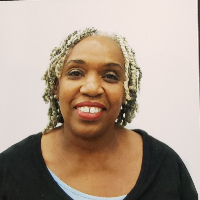
Dr. Daniella Jackson
LMHC
Florida - 20yrs exp





















Understanding ADHD and its everyday impact
Attention-Deficit/Hyperactivity Disorder affects attention, impulsivity, and activity levels in ways that vary widely from person to person. You may experience trouble organizing tasks, sustaining focus, or completing long-term projects. Emotional reactivity and mood swings are common for many people with ADHD - frustration, impatience, and sudden irritability can interfere with relationships and work. Difficulties with time management and follow-through often create stress that compounds over time, affecting self-esteem and daily functioning.
Why DBT for ADHD? A skills-based approach
Dialectical Behavior Therapy is a structured, skills-focused modality that was developed to help people manage intense emotions and improve interpersonal functioning. When adapted for ADHD, DBT emphasizes practical tools that directly target the challenges you face - from attention and impulsivity to emotion regulation and relationship strain. Rather than focusing exclusively on symptom labels, DBT teaches concrete skills you can practice and apply in real-life situations, which makes it well suited to the practical needs of people with ADHD.
Mindfulness
Mindfulness in DBT trains you to notice thoughts, feelings, and bodily sensations without immediate reaction. For ADHD, mindfulness exercises can strengthen your ability to return attention to a chosen focus - whether that is a task, conversation, or breathing practice. Over time, these exercises can help you detect the earliest signs of distraction or impulsive urges so you can use a strategy before the moment escalates.
Distress tolerance
Distress tolerance skills give you ways to get through uncomfortable moments without making impulsive decisions you may later regret. When frustration, overwhelm, or boredom triggers acting out or avoidance, distress tolerance techniques provide short-term tools to ride out those feelings. That can be especially useful when you are managing deadlines, conflict, or sudden emotional surges that arise around day-to-day responsibilities.
Emotion regulation
Emotion regulation teaches you to understand emotional patterns and reduce their intensity. People with ADHD often experience rapid shifts in mood and strong emotional reactions to setbacks or perceived rejection. DBT helps you build awareness of triggers, apply strategies to lower arousal, and replace self-defeating habits with skills that support steadier mood and clearer decision-making.
Interpersonal effectiveness
Interpersonal effectiveness focuses on communicating needs, setting boundaries, and maintaining relationships while staying true to your goals. ADHD-related impulsivity or emotional reactivity can strain friendships, family ties, and work relationships. DBT provides scripted approaches and role-play opportunities so you can practice asking for what you need, saying no, and repairing ruptures in a way that feels authentic and effective.
What to expect in DBT for ADHD
DBT for ADHD typically combines multiple elements to create a cohesive treatment plan. You will often participate in weekly skills training groups where modules are taught in a collaborative, practice-oriented environment. These groups provide repeated opportunities to learn and rehearse new techniques alongside peers who are working on similar goals. Individual therapy time is used to adapt skills to your personal situations, set treatment targets, and address obstacles to practicing skills consistently.
Many DBT teams use diary cards or tracking tools so you can monitor targets like attention, impulsive actions, emotional intensity, and practice of specific skills. These brief daily records help both you and your therapist see patterns over time and make focused adjustments. Phone coaching or between-session support - often limited to brief calls or messages - is intended to help you apply a skill in a real moment of need. When working for ADHD, that on-the-spot help can be valuable in preventing impulsive responses and reinforcing new habits.
What the research says
Research into DBT for ADHD has grown in recent years as clinicians have adapted DBT techniques to address core challenges like emotional dysregulation and impulsivity. Studies suggest that skills-focused interventions can reduce emotional reactivity and improve functioning in daily life, especially when DBT is tailored to the needs of people with ADHD. While more large-scale randomized trials are still emerging, clinical findings and practice-based evidence indicate that DBT can be a meaningful option for people who struggle with both attention symptoms and emotion-driven behaviors.
When evaluating research, consider whether studies examined DBT in its full format - combining skills groups, individual therapy, coaching, and diary tracking - or focused on specific DBT modules adapted for ADHD. Full-model DBT offers a comprehensive framework, but modular approaches can also provide targeted benefit depending on your goals.
How online DBT works for ADHD
Online DBT translates well to ADHD treatment because skills practice, coaching, and structured exercises can be delivered effectively via video sessions and digital tools. You can join group skills classes from home, review worksheets and handouts online, and use electronic diary cards to track practice. Virtual coaching can help you apply a skill during a challenging moment at work or at home, and therapists often share audio-guided mindfulness practices that you can replay between sessions.
Telehealth reduces travel time and can make it easier to attend regular groups and individual sessions - an important factor if maintaining consistency is a challenge. When working online, it is helpful to create a quiet, comfortable environment for practice, and to discuss expectations with your therapist about how between-session contact will work. Clear boundaries around timing and modes of communication help make coaching useful without becoming a distraction.
Choosing the right DBT therapist for ADHD
When you look for a DBT clinician, prioritize training in DBT and experience applying skills to attention and emotional regulation concerns. Ask whether the therapist offers a full DBT program with skills groups, individual therapy, and coaching - or whether they focus on specific DBT modules. Inquire about how they tailor skills to ADHD-related challenges around time management, organization, and impulsivity. You may want someone who collaborates with other providers, such as primary care clinicians or psychiatrists, if you are managing medication alongside skills training.
Consider practical factors as well - session format, group schedules, insurance or fee structure, and whether the team provides digital materials and diary card options that fit your style. It is reasonable to ask about their approach to online work and how they support skill practice between sessions. Trust your sense of fit - a therapist who explains skills clearly, helps you build simple practice routines, and supports gradual change can make DBT both accessible and transformative.
Getting started
Beginning DBT for ADHD often feels like starting a training program - you will learn, practice, and gradually apply skills until new responses become more automatic. Expect early focus on building mindfulness and distress tolerance so you can handle high-emotion moments, followed by emotion regulation and interpersonal work to reshape longer-term patterns. With consistent practice and a therapist who tailors DBT to your life, you can develop tools that improve focus, reduce impulsive behaviors, and make daily routines more manageable.
If you are exploring options, use the therapist listings above to find clinicians whose DBT approach and logistics fit your needs. Contacting a few therapists to ask about their experience with ADHD adaptations and how they structure skills practice can help you find a good match. DBT is practical and skills-oriented - with the right support you can learn strategies that make everyday life more manageable and feel more in control of your attention, emotions, and relationships.
Find ADHD Therapists by State
Alabama
36 therapists
Alaska
3 therapists
Arizona
29 therapists
Arkansas
13 therapists
Australia
48 therapists
California
137 therapists
Colorado
53 therapists
Connecticut
14 therapists
Delaware
7 therapists
District of Columbia
3 therapists
Florida
248 therapists
Georgia
91 therapists
Hawaii
11 therapists
Idaho
16 therapists
Illinois
79 therapists
Indiana
43 therapists
Iowa
17 therapists
Kansas
18 therapists
Kentucky
18 therapists
Louisiana
48 therapists
Maine
15 therapists
Maryland
24 therapists
Massachusetts
28 therapists
Michigan
99 therapists
Minnesota
30 therapists
Mississippi
16 therapists
Missouri
66 therapists
Montana
17 therapists
Nebraska
13 therapists
Nevada
11 therapists
New Hampshire
8 therapists
New Jersey
28 therapists
New Mexico
11 therapists
New York
87 therapists
North Carolina
105 therapists
North Dakota
3 therapists
Ohio
52 therapists
Oklahoma
31 therapists
Oregon
22 therapists
Pennsylvania
67 therapists
Rhode Island
2 therapists
South Carolina
43 therapists
South Dakota
4 therapists
Tennessee
30 therapists
Texas
200 therapists
United Kingdom
269 therapists
Utah
31 therapists
Vermont
7 therapists
Virginia
34 therapists
Washington
30 therapists
West Virginia
12 therapists
Wisconsin
38 therapists
Wyoming
12 therapists