Find a DBT Therapist for Trauma and Abuse in Washington
On this page you will find Washington clinicians trained in Dialectical Behavior Therapy who focus on trauma and abuse. Browse profiles below to compare approaches, service areas, and contact options across Seattle, Spokane, Tacoma and other communities.



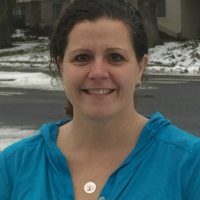
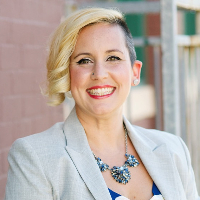



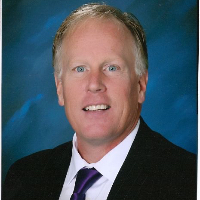
Michael Rhine
LMHC
Washington - 27yrs exp


Lenita Marquez
LMHC
Washington - 9yrs exp

Anna Allred
LPC, LMHC
Washington - 10yrs exp











How DBT specifically addresses trauma and abuse
Dialectical Behavior Therapy is a skills-based approach that can help you build practical tools to manage overwhelming emotions and improve daily functioning after trauma or abuse. Rather than focusing only on symptoms, DBT teaches concrete strategies organized into four core modules - mindfulness, distress tolerance, emotion regulation, and interpersonal effectiveness - that work together to reduce reactivity and increase your ability to make safer, more value-driven choices. Mindfulness helps you notice painful memories or triggers without immediately reacting to them. Distress tolerance gives you methods to get through intense moments when the urge to act impulsively or withdraw feels strongest. Emotion regulation provides step-by-step ways to reduce the intensity of painful feelings and to rebuild a more steady emotional baseline. Interpersonal effectiveness focuses on setting boundaries, asking for needs to be met, and navigating relationships with less retraumatization. These skill sets are often taught alongside trauma-informed techniques so that you can improve coping while addressing the impact of past harm.
Why a skills-based DBT framework matters for trauma and abuse
Trauma and abuse often leave people feeling hypervigilant, emotionally dysregulated, or unsure how to maintain healthy relationships. DBT emphasizes practical, repeatable skills you can use in daily life - not just insights. This means you learn how to tolerate distressing reminders, regulate your nervous system's reactions, and handle interpersonal conflicts without escalating. A DBT therapist will typically tailor the pace and emphasis to your specific safety needs and history, offering a structured path to practicing new responses in real world situations. Over time, those small, practiced changes can reduce the frequency of crisis-driven behaviors and improve your sense of agency.
Finding DBT-trained help for trauma and abuse in Washington
When looking for DBT services in Washington, start by checking clinician profiles for explicit DBT training and ongoing consultation with other DBT clinicians. Many therapists list whether they offer standard DBT programs, modified DBT for post-traumatic stress, or DBT-informed trauma therapy. You can search by city if you prefer in-person work - Seattle and Tacoma have large provider networks, while Spokane, Bellevue, and Vancouver also have clinicians with DBT expertise. Consider whether you want someone who works primarily with the aftermath of abuse, with complex trauma presentations, or with co-occurring concerns like substance use or mood disorders. Look for clear descriptions of their approach to trauma, whether they integrate exposure-based methods, and whether they emphasize skills training alongside trauma processing.
Questions to ask when you reach out
When you contact a DBT therapist, you may want to ask how they integrate DBT skills with trauma-focused interventions, how they assess safety, and what the expected length of treatment might be. Ask whether they provide individual DBT sessions, group skills training, and between-session coaching - each component plays a different role in recovery. Clarify logistical details such as session length, fees, insurance acceptance, and whether they offer flexibility for phone or video support. A helpful clinician will explain how the four DBT modules are used to stabilize distress before engaging in deeper trauma work, and how progress is measured.
What to expect from online DBT sessions for trauma and abuse
Online DBT options have expanded access across Washington, allowing you to connect from home or another comfortable environment. Many DBT programs include three primary components delivered virtually - weekly individual therapy, weekly or biweekly skills groups, and coaching between sessions for moments of crisis or practice support. In individual DBT therapy you work with a therapist to prioritize treatment targets, learn to apply skills to your daily life, and gradually address trauma-related patterns when you are ready. Skills groups focus on teaching and rehearsing the four modules in a group setting so you can learn from others and practice interpersonal effectiveness in a group context. Coaching provides short, focused support by phone or secure messaging to help you apply skills in real time. Online formats can be effective if the clinician pays attention to building rapport, creating a predictable structure, and ensuring you have a private place to participate when needed.
Practical considerations for virtual care
If you choose online DBT, check that the therapist offers clear guidelines for safety planning, emergency contacts, and what to do if you experience a crisis during a remote session. Confirm technology requirements, privacy practices, and how group participation is managed. Some therapists combine occasional in-person visits with virtual sessions if you are local to Seattle, Tacoma, or Spokane and prefer periodic face-to-face contact. Decide in advance whether you want skills-only groups, full comprehensive DBT, or a DBT-informed approach paired with trauma-focused interventions.
Evidence and outcomes relevant to trauma and abuse
Research and clinical practice have shown that DBT can reduce self-harm, improve emotion regulation, and increase interpersonal functioning - outcomes that are relevant for many people recovering from trauma and abuse. DBT's emphasis on skills training helps you replace impulsive or avoidant responses that may have been learned as survival strategies. Clinicians in Washington often adapt DBT to address trauma-related symptoms by sequencing stabilization and skills practice before intensive trauma processing. While individual results vary, many people report improved distress tolerance and clearer communication in relationships after engaging with DBT. If you are looking for evidence, ask potential therapists how they measure progress and whether they use routine outcome monitoring to track change over time.
Tips for choosing the right DBT therapist in Washington
Start by identifying whether you need a comprehensive DBT program or a DBT-informed therapist who integrates skills with trauma treatment. If you live near a city like Seattle or Bellevue you may have access to full programs with skills groups and consultation teams. In smaller communities such as Spokane or Vancouver you might find skilled individual therapists who offer virtual groups or regional collaborations. Look for clinicians who describe ongoing DBT consultation, who can explain how the four modules will be applied to your concerns, and who demonstrate experience working with trauma and abuse. Consider practical matters - availability for evening sessions, insurance participation, sliding scale options, and whether you prefer in-person or teletherapy.
Trusting your experience with a therapist
Choosing a therapist is also about the fit you feel in early conversations. A good DBT clinician will explain the structure of treatment, set clear goals with you, and respect your pace in addressing traumatic material. You should feel heard when you describe your concerns and given a clear sense of how skills will be taught and practiced. If a therapist's approach feels too fast or too slow, it is reasonable to continue your search until you find a match that supports your needs.
Finding local resources and next steps
Begin by browsing the listings on this page to compare training details, service areas, and contact methods. Use city filters if you prefer an in-person clinician in Seattle, Tacoma, or Spokane, or choose teletherapy options that serve the whole state. When you contact a clinician, ask about their approach to integrating DBT skills with trauma work, what is included in their standard program, and how they handle emergencies or intense reactions between sessions. Taking that first step can help you find a clinician who will guide you through skill-building, stabilization, and gradual recovery while respecting your goals and timing.
DBT offers a structured, skills-based pathway to managing the ongoing effects of trauma and abuse. With careful selection of a trained clinician and clear communication about your needs, you can find supportive care in Washington that emphasizes practical tools, steady progress, and compassionate treatment planning.