Find a DBT Therapist for Stress & Anxiety in Washington
This page highlights DBT-trained clinicians in Washington who focus on treating stress and anxiety with a skills-based approach. Explore listings below to compare practitioners, formats, and availability across Seattle, Spokane, Tacoma and other communities.



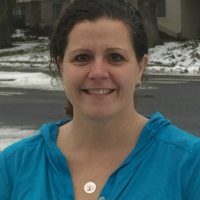






Michael Rhine
LMHC
Washington - 27yrs exp


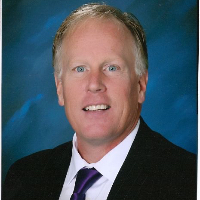
Lenita Marquez
LMHC
Washington - 9yrs exp

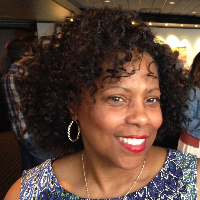
Anna Allred
LPC, LMHC
Washington - 10yrs exp









How DBT addresses stress and anxiety
If stress or anxiety feel constant or overwhelming, Dialectical Behavior Therapy - DBT - offers a practical, skills-focused framework that helps you respond differently to difficult feelings and situations. Rather than only exploring causes, DBT teaches concrete skills you can use in the moment to reduce reactivity and regain a sense of control. The approach is organized around four skill modules that each contribute to calmer, more effective coping.
Mindfulness teaches you to notice thoughts, bodily sensations and urges without getting swept away. When worry spikes or your heart races, mindfulness skills make it easier to observe those experiences without immediately reacting. Distress tolerance offers strategies for getting through short-term crises when intense anxiety or panic would otherwise push you toward avoidance or impulsive actions. These tools emphasize survival skills - ways to ride out an acute episode while preserving long-term goals.
Emotion regulation gives you methods for understanding, reducing and shaping strong emotions that feed into chronic stress and anxiety. You learn to identify patterns, build up positive experiences and apply practical steps to lower physiological arousal. Interpersonal effectiveness supports clear communication and boundary-setting so that relationships produce less friction and you feel more competent asking for what you need. Together, these modules create a toolbox that targets the mechanics of stress and anxiety rather than only their origins.
What a DBT-informed plan for stress and anxiety typically includes
A DBT-informed treatment plan usually blends individual work with skills training. In individual therapy you and a clinician prioritize the problems that interfere most with functioning and use DBT principles to develop tailored goals and strategies. Skills training focuses on learning and practicing the four DBT modules so that the techniques become part of your daily life. Many clinicians also offer brief coaching between sessions to help you apply skills in real time when stress peaks.
The emphasis is practical. Early sessions often include assessment of current symptoms, identification of patterns that keep anxiety going and selection of a manageable set of skills to practice. You will likely be asked to track moments of intense stress or worry and to bring those experiences into sessions as material for learning. Over weeks and months the aim is to expand your capacity to tolerate discomfort, regulate emotional intensity and communicate effectively with others.
Finding DBT-trained help for stress and anxiety in Washington
Searching for DBT-trained clinicians in Washington can start with an informed look at clinician profiles. Many therapists describe their training and whether they use standard DBT, DBT-informed approaches, or adaptations for anxiety disorders. In larger urban areas like Seattle, Bellevue and Tacoma you may find more options for full DBT programs that include skills groups and coaching. In smaller cities such as Spokane or Vancouver clinicians often combine DBT skills into individualized anxiety treatment.
When evaluating options, consider not only credentials but also how the clinician adapts DBT to focus on stress and anxiety. Ask whether skills groups are offered, whether coaching support is part of the package, and how the clinician measures progress. If you need evening or weekend appointments, or prefer sessions in person versus online, check availability for those formats up front. Local community clinics, private practices and some outpatient programs across Washington offer variations on DBT that may fit different schedules and budgets.
What to expect from online DBT sessions for stress and anxiety
Online DBT sessions use video technology to recreate the therapeutic relationship while allowing you to join from home or work. Individual sessions tend to follow the same structure as in-person work - assessment, goal-setting, skills coaching and feedback - with an emphasis on practicing skills between meetings. Skills groups delivered online allow you to join other participants for structured teaching and role play, often making it easier to access a group if local options are limited.
Coaching or between-session contact is typically adapted for remote delivery. Some clinicians offer brief check-ins by phone or messaging during moments of heightened anxiety so you can get help applying a skill in the moment. Before beginning online work, plan for a reliable internet connection and a quiet environment where you can focus. Discuss with your clinician how sessions will be run, how materials and worksheets will be shared, and what to do if technical problems interrupt a meeting.
Evidence and real-world outcomes for DBT and anxiety-related concerns
DBT was originally developed for emotion dysregulation and self-harm, but clinicians and researchers have adapted the core skills to a range of anxiety-related problems. Studies and clinical experience indicate that learning and practicing DBT skills can reduce emotional reactivity, improve coping with stressful situations and enhance interpersonal functioning. When the treatment emphasizes mindfulness and emotion regulation, many people notice fewer distress-driven behaviors and an increased ability to tolerate uncertainty.
In Washington, you will find clinicians who integrate these skills into anxiety care across many settings - private practices, outpatient clinics and telehealth programs. Evidence from both controlled settings and community practice supports the idea that a skills-based approach equips people with tools they can use daily. While individual outcomes vary, the practical orientation of DBT often appeals to people who want actionable strategies rather than only insight-oriented therapy.
Tips for choosing the right DBT therapist in Washington
Choosing a therapist is a personal decision. Start by looking for clinicians who describe explicit DBT training and who explain how they apply the four modules to stress and anxiety. During an initial consultation, ask about experience treating anxiety specifically, whether they offer skills groups, and how they incorporate coaching. If location matters, check options in Seattle, Spokane, Tacoma, Bellevue or Vancouver and ask whether the clinician offers hybrid schedules that combine in-person and online sessions.
Consider practical factors such as appointment times, fees and insurance participation. If cost is a concern, ask about sliding scale options or group classes that may be more affordable. Pay attention to whether the clinician outlines measurable goals and progress checks, since a structured plan often leads to clearer results. Finally, trust your sense of fit - feeling comfortable with a therapist who teaches skills and supports your practice is an important part of making steady progress.
Next steps
Whether you are exploring care in downtown Seattle or searching for a DBT practitioner who offers evening online groups while living elsewhere in Washington, the listings above are a practical starting point. Use clinician profiles to compare training, service formats and availability, and reach out to schedule an initial conversation. With skills-based DBT you can build tools that reduce the impact of stress and anxiety and help you navigate daily challenges with greater resilience.