Find a DBT Therapist for Self-Harm in Washington
This page helps you find DBT therapists in Washington who focus on self-harm using a skills-based treatment model. You will see clinicians serving Seattle, Spokane, Tacoma and other communities who offer individual DBT, skills groups, and coaching. Browse the listings below to compare profiles and contact therapists who match your needs.

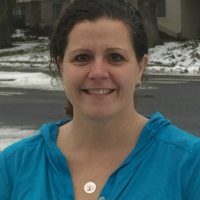
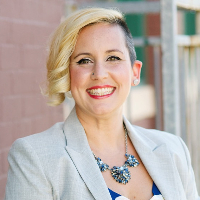



Lenita Marquez
LMHC
Washington - 9yrs exp

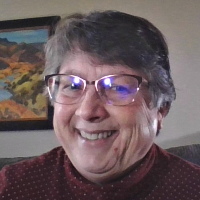
Anna Allred
LPC, LMHC
Washington - 10yrs exp
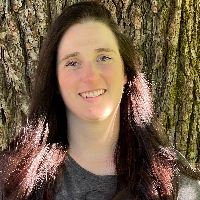






Leianne Trefry
LMHC
Washington - 11yrs exp







How DBT approaches self-harm
If you are seeking help for self-harm, you will likely encounter dialectical behavior therapy as a structured, skills-based approach that balances acceptance with change. DBT organizes treatment around four core skill modules - mindfulness, distress tolerance, emotion regulation, and interpersonal effectiveness - and combines individual therapy with group skills training and coaching. In practice you will work with a therapist to understand the patterns that lead to self-harm, learn alternatives that reduce immediate urges, and build longer-term capacities that decrease vulnerability to those urges.
Mindfulness and awareness
Mindfulness is the foundation of DBT. You will practice observing urges and emotions without immediate reaction, which creates a small space where choice becomes possible. That awareness helps you notice early warning signs of self-harm, recognize the bodily sensations and thoughts that accompany urges, and apply a practiced skill instead of acting on impulse. Mindfulness skills are taught in simple, repeatable exercises so you can use them in moments of high tension.
Distress tolerance for crisis moments
Distress tolerance equips you with strategies to get through acute crises without making long-term decisions in a moment of intense pain. These skills include grounding techniques, distraction methods, and short-term strategies that reduce the intensity of an urge long enough for it to pass or for you to reach out for help. Learning a range of distress tolerance skills means you will have tools to rely on when emotions feel overwhelming.
Emotion regulation to change reactivity
Emotion regulation helps you understand how emotions arise and how to change their intensity and duration. You will learn to identify which emotions are most connected to self-harm, reduce vulnerability to extreme states, and increase skills that foster more balanced emotional responses. Over time, emotion regulation work aims to lower the frequency of high-intensity episodes that often trigger self-harm behaviors.
Interpersonal effectiveness and relationships
Interpersonal effectiveness skills focus on how you relate to others - how you ask for needs to be met, set boundaries, and maintain self-respect in relationships. Because interpersonal conflict is a common trigger for self-harm, improving these skills can reduce situations that escalate emotional pain. You will practice concrete communication techniques so interactions become less likely to provoke the crises that lead to harm.
Finding DBT-trained help for self-harm in Washington
When searching for DBT clinicians in Washington, you will encounter a mix of private practices, outpatient clinics, and community programs. Urban centers such as Seattle, Bellevue, and Tacoma tend to have a higher concentration of DBT programs and skills groups, while regions like Spokane and Vancouver may offer specialized clinicians or telehealth options that extend access across the state. Use listings to check whether a therapist emphasizes DBT for self-harm, whether they run full DBT programs that include both individual and group components, and whether they offer phone or between-session coaching.
Look for information about training and experience with self-harm specifically. It is reasonable to ask a therapist how they incorporate diary cards, behavioral chain analysis, and crisis planning into their work. If you rely on insurance, ask about billing practices and whether the clinician accepts your plan. If cost is a concern, many clinicians list sliding scale options or can provide referrals to community agencies that offer DBT-informed services.
What to expect from online DBT sessions for self-harm
Online DBT can be an effective option if in-person access is limited or if you prefer remote care. You can expect individual therapy sessions to focus on a combination of problem solving, behavioral analysis, and skill application. Your therapist will often review diary cards that track urges, behaviors, and skill use so you and your clinician can identify patterns and set targeted goals. Skills groups continue in an online format with guided teaching, practice, and group discussion — the format encourages rehearsal of new responses in a supportive setting.
Many DBT providers also offer coaching between sessions to help you apply skills in real time. This coaching is usually focused on specific skill use during moments of difficulty rather than ongoing talk therapy. Online sessions require some practical planning - you should choose a quiet, comfortable environment where you can focus, verify that you have a reliable internet connection, and clarify safety arrangements with your clinician. Your therapist will work with you to create a crisis plan that fits remote care, including local emergency contacts and steps to take if you feel at immediate risk.
Evidence and local practice
DBT has been widely studied and is regarded by many clinicians as a leading skills-based approach for reducing self-harm behaviors. In Washington, many outpatient programs and hospital-based services have incorporated DBT components into their offerings, particularly in larger cities like Seattle and Tacoma. This local adoption reflects broader clinical findings that emphasize structured skills training, behavioral strategies, and close clinician collaboration as important elements when addressing self-harm.
When you review evidence, focus on what matters for your situation: does the program offer consistent skills training, are therapists experienced with crisis planning, and is there a clear way to access help between sessions if you need it. Research provides a backdrop, but the most relevant indicators are how a therapist or program applies those principles to your needs and how comfortable you feel working with them.
Tips for choosing the right DBT therapist in Washington
Choosing a therapist is a personal process. Start by clarifying what you want - whether it is full DBT with group components, individual DBT-informed therapy, or short-term coaching during a crisis. Ask potential therapists about their experience with self-harm, the DBT components they include, and how they structure skills groups. In larger metropolitan areas such as Seattle and Bellevue you may have more program options and group times to choose from, while communities in Eastern Washington like Spokane might offer individualized care or telehealth that connects you with a broader network of DBT clinicians.
Consider practical factors such as session times, fees, and whether the clinician provides phone coaching. Cultural fit and communication style matter greatly - you should feel heard and respected by the clinician you choose. If you have other care providers, inquire about how the DBT therapist coordinates with your existing team so everyone can work toward consistent goals. Finally, trust your instincts during initial contacts; an early conversation can reveal whether a therapist’s approach and availability match what you need right now.
Next steps and how to use this directory
Use the listings above to filter by location, telehealth options, and the DBT services offered. When you contact a therapist, prepare a few questions about their DBT experience with self-harm, the balance of individual and group work, and how they handle crises. If you live near major centers like Seattle, Tacoma, or Spokane you may have additional in-person group opportunities, while telehealth can widen your choices across the state. Reach out to a few clinicians to compare approaches and availability - making a first connection is an important step toward finding a program that fits your needs.
Remember that seeking help is a process and that DBT is designed to give you practical tools to manage urges and build a life that reduces the need for self-harm. Browse the profiles, note clinicians who emphasize skills training and crisis planning, and contact those who seem like a good match. If you are in immediate danger, contact local emergency services or a crisis line in your area right away.