Find a DBT Therapist for Self Esteem in Washington
On this page you’ll find DBT therapists across Washington who specialize in improving self esteem through a structured, skills-based approach. Browse the listings below to compare clinician profiles, training, and both in-person and online options.



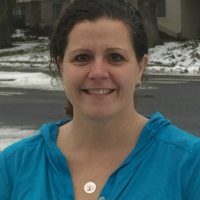






Michael Rhine
LMHC
Washington - 27yrs exp


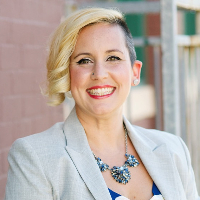
Lenita Marquez
LMHC
Washington - 9yrs exp

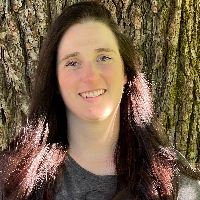
Anna Allred
LPC, LMHC
Washington - 10yrs exp








How DBT Addresses Low Self Esteem
If you struggle with persistent self-criticism, a shaky sense of worth, or cycles of feeling good and then very low about yourself, Dialectical Behavior Therapy can offer a clear path forward. DBT is a skills-focused approach that helps you notice how thoughts, emotions, and behaviors interact and gives you practical tools to shift those patterns. Rather than telling you to "think positively," DBT teaches concrete skills you can practice to change how you respond to self-critical thoughts and the emotions that follow.
Mindfulness - noticing without judgment
Mindfulness is the foundation of DBT and is especially useful when you are trying to change negative self-talk. Through mindfulness practice you learn to observe critical thoughts and painful feelings without automatically believing them or reacting. That distance gives you a chance to choose a different response - whether that is practicing a grounding technique, reframing a thought, or trying a skill from another DBT module. Over time, regular mindfulness practice can help you see your sense of self as less fixed and more changeable.
Emotion Regulation - reducing overwhelm
When self esteem dips, emotions can become intense and unpredictable. The emotion regulation module helps you identify which emotions you are feeling, understand what triggers them, and use strategies to reduce intensity. You learn to increase positive emotional experiences and build routines that support mood stability. These skills matter for self esteem because when you are less overwhelmed by shame, anxiety, or anger, you can evaluate yourself more realistically and act in ways that reinforce self-respect.
Distress Tolerance - getting through tough moments
Distress tolerance provides tools for surviving acute crises without making choices that will make self esteem worse. If you are tempted to withdraw, engage in self-sabotage, or react impulsively when you feel worthless, distress tolerance skills give you safer alternatives. These techniques are not about changing long-term patterns immediately. Instead they help you preserve your position so you can use other DBT skills - like emotion regulation and interpersonal effectiveness - in calmer conditions.
Interpersonal Effectiveness - improving relationships and self-worth
Your relationships can strongly influence how you see yourself. DBT’s interpersonal effectiveness skills help you set boundaries, ask for what you need, and manage conflicts with more confidence. By learning to communicate clearly and assertively, you can reduce relationship patterns that reinforce low self esteem. Effective interactions also create experiences where others respond to the real you, supporting a more stable and positive self-view.
Finding DBT-Trained Help for Self Esteem in Washington
When you search for DBT therapists in Washington, you will find clinicians working in a variety of settings - private practice, community clinics, and group programs - in cities from Seattle and Bellevue to Spokane and Tacoma. Many providers list specific DBT training or certification, which can help you evaluate their familiarity with the model. You can also look for clinicians who emphasize skills group work alongside individual therapy, because the combination tends to be most effective for building everyday skills and social confidence.
Consider whether you prefer in-person appointments near where you live or online sessions that offer greater scheduling flexibility. If you live near major urban centers like Seattle or Tacoma you may have more in-person group options, while online offerings can connect you with therapists across Washington including rural areas and suburbs. Check clinician profiles for experience treating self esteem specifically and for how they integrate DBT modules into treatment plans targeted to shifting self-image.
What to Expect from Online DBT Sessions for Self Esteem
Online DBT can include individual therapy, weekly skills groups, and coaching between sessions. In an individual session you and your therapist will set priorities based on what matters most to you - that might include reducing self-critical rumination, building confidence in social situations, or managing shame-related avoidance. Skills groups teach the DBT modules in a classroom-style format where you learn, practice, and receive feedback. Coaching is often available between sessions to help you apply skills in real time when difficult moments arise.
Technology makes it possible to attend a group from home while still getting the shared learning experience of practicing interpersonal skills. Groups typically follow a curriculum that cycles through mindfulness, distress tolerance, emotion regulation, and interpersonal effectiveness so you can steadily build capabilities. Whether you join a Seattle-based group in person or an online cohort, expect homework-oriented practice and skill-building exercises designed to transfer what you learn into daily life.
Evidence and Clinical Considerations
DBT was originally developed to help people with intense emotional dysregulation, and over the years therapists have adapted its skills-based framework to address related concerns such as chronic low self esteem. Research supports DBT’s effectiveness for improving emotion regulation and reducing behaviors that interfere with building a stable sense of self. Clinical reports and program evaluations from clinics in Washington indicate that applying DBT principles to issues like self-criticism and unstable identity can produce meaningful change when the work is consistent and skills are practiced outside of sessions.
When you are evaluating evidence, consider whether a clinician emphasizes a skills-based plan and measures progress in specific, observable ways - for example tracking the frequency of self-critical thoughts, the ability to tolerate distressing emotions, or success in setting boundaries. Those kinds of outcomes-focused approaches align with DBT’s practical orientation and can help you see steady improvements over weeks and months.
Choosing the Right DBT Therapist for Self Esteem in Washington
Finding the therapist who fits you best often comes down to a mix of training, experience, and personal rapport. Look for clinicians who list DBT training and describe how they use the four modules to target self esteem. Ask about the balance of individual therapy and skills groups they recommend, and whether they offer between-session coaching. If you prefer in-person work, note whether the clinician operates near centers like Bellevue or Vancouver. If scheduling is a concern, ask about online group times and whether they accommodate different time zones within Washington.
It is reasonable to ask prospective therapists how they measure progress and how they tailor DBT skills to address shame or low self-worth. You can also inquire about typical session length, how homework practice is supported, and what kinds of outcomes other clients have achieved. Trusting your sense of connection with a therapist matters. If you do an initial consultation and do not feel understood or confident in the plan, it is okay to continue your search until you find someone who resonates with you.
Practical Next Steps
Begin by browsing profiles to compare DBT training, service formats, and locations across Washington. If you live in a larger city such as Seattle or Spokane you may have additional in-person group options, while online offerings can connect you to skilled DBT clinicians statewide. Schedule a brief consultation to discuss how DBT would be tailored to your self esteem goals and to get a sense of the therapist’s approach to skills practice. With consistent work on mindfulness, emotion regulation, distress tolerance, and interpersonal effectiveness, you can develop more balanced self-perceptions and practical habits that support steady improvement.
DBT is a structured, skill-based way to change the processes that maintain low self esteem. By choosing a therapist who integrates the DBT modules into a clear, personalized plan, you give yourself the best chance of building compassion for yourself, managing intense feelings, and improving the relationships that shape how you see your worth.