Find a DBT Therapist for Mood Disorders in Washington
On this page you'll find DBT therapists in Washington who focus on treating mood disorders using a skills-based approach. Browse listings below to compare clinicians in Seattle, Spokane, Tacoma, Bellevue and Vancouver and find DBT care that fits your needs.



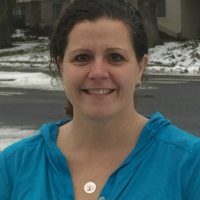





Lenita Marquez
LMHC
Washington - 9yrs exp

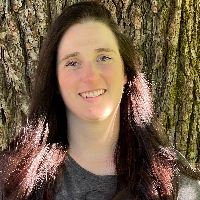
Anna Allred
LPC, LMHC
Washington - 10yrs exp













How DBT approaches mood disorders
Dialectical Behavior Therapy, or DBT, is a structured, skills-focused form of psychotherapy that helps you increase emotional stability and reduce patterns that worsen mood symptoms. While DBT was originally developed for people experiencing intense mood swings and self-harm behaviors, its four core skill modules - mindfulness, distress tolerance, emotion regulation, and interpersonal effectiveness - are directly applicable when you are managing depression, bipolar spectrum symptoms, or persistent mood instability. Mindfulness helps you notice shifts in mood without getting caught in the next reaction. Distress tolerance equips you with strategies to get through overwhelming moments without making choices that later increase distress. Emotion regulation gives you tools to change how you experience and respond to emotions, and interpersonal effectiveness supports healthier communication and boundary setting when mood symptoms strain relationships.
How the DBT skills translate to everyday mood management
In practice you learn concrete skills that you can use the moment mood begins to change. You might use mindfulness techniques to identify early signs of a depressive episode or to interrupt a cycle of rumination. Distress tolerance strategies can reduce impulsive responses during high-intensity moments. Emotion regulation skills teach you how to build routines, manage triggers, and shift the intensity of emotional reactions over time. Interpersonal effectiveness can help you repair the real-world consequences of mood-related conflicts at home, work, or school. You do not need to accept mood instability as inevitable - DBT frames change as a process that combines acceptance of where you are now with active strategies to work toward better days.
Finding DBT-trained help for mood disorders in Washington
When you search for DBT care in Washington, consider whether a clinician offers comprehensive DBT - which typically includes individual therapy, a skills group, and coaching - or DBT-informed treatment that integrates key skills into other therapeutic models. Larger urban centers such as Seattle, Spokane, and Tacoma commonly have practitioners who complete formal DBT training and participate in DBT consultation teams. If you live outside a major city, telehealth expands your options and can connect you with therapists who run full DBT programs. Look for clinicians who can describe their DBT training, how they use the four skill modules with mood disorders, and what parts of their program are delivered in individual sessions versus group training.
Questions to guide your search
When you contact a potential therapist, ask how they adapt DBT for mood conditions, whether they run skills groups, and how coaching between sessions is handled. Inquire about session frequency, the expected duration of treatment, and whether progress is measured with regular check-ins. If you need care in person, check availability in neighborhoods of Seattle or in nearby cities like Bellevue and Vancouver. If you prefer online sessions, make sure the clinician has experience delivering DBT skills training via video and coordinating group attendance virtually.
What online DBT looks like for mood disorders
Online DBT often mirrors in-person programs with three main components: weekly individual therapy, weekly skills group meetings, and access to skills coaching when urgent support is needed. In individual sessions you will work with a therapist to set treatment goals, apply skills to current challenges, and track patterns that affect mood. Skills groups focus on direct teaching and practice of the mindfulness, distress tolerance, emotion regulation, and interpersonal effectiveness modules, allowing you to learn from both the clinician and peers. Coaching helps you translate skills into real-time situations - for example, getting brief guidance on using emotion regulation techniques during a difficult evening. Telehealth formats also enable participation across Washington, making it easier to maintain continuity of care if you move between cities or need flexible scheduling.
Evidence and outcomes for DBT with mood disorders
Research into DBT and mood disorders has expanded since the therapy was first developed. Studies and clinical reports suggest that DBT-based approaches can reduce mood-related crises, decrease impulsive behaviors that often accompany mood instability, and improve overall functioning. Clinicians in Washington commonly adapt DBT to fit mood disorder presentations by emphasizing emotion regulation and distress tolerance while maintaining the structure and focus that make DBT effective. You can expect a treatment plan that combines measurable goals, skills practice, and regular review of progress. While individual results vary, many people report improvements in daily functioning and relationships after sustained engagement with DBT skills.
Choosing the right DBT therapist in Washington
Choosing the right clinician is about fit as much as formal training. Consider whether the therapist's experience aligns with your specific mood concerns and life context. Ask whether they have worked with people dealing with depression, bipolar spectrum conditions, or chronic mood dysregulation. Find out how they structure the first few months of care and whether they emphasize skills practice outside of sessions. If group learning matters to you, ask about the schedule and whether groups meet in person in cities like Seattle or Spokane or online to accommodate people across the state. Cost and insurance acceptance are practical considerations - check whether the clinician accepts your insurance, offers a sliding-scale fee, or has other payment arrangements. Finally, look for a therapist who explains how progress will be tracked and how treatment goals will be adjusted over time.
What to expect in early sessions and next steps
Early sessions are typically assessment-focused. You and your therapist will review your mood history, current stressors, safety planning, and immediate needs. You will likely begin skills training soon after assessment - learning mindfulness exercises and basic distress tolerance techniques that you can use right away. Many clients start with twice-monthly or weekly individual sessions plus weekly skills groups, though frequency is tailored to need. Expect to practice skills between sessions and to discuss successes and setbacks in therapy. If you live in Washington, your therapist can connect you with community resources and local support groups when relevant, especially in larger urban centers where additional services may be available.
Making DBT work for you
DBT is collaborative and active - your participation in learning and practicing skills is central to progress. If you are exploring options in Washington, use the therapist listings on this page to find clinicians who describe a clear DBT framework, offer skills groups, and can explain how they tailor DBT modules to mood disorders. Arrange consultation calls to get a sense of fit and to ask how they will support you between sessions. With a knowledgeable DBT clinician and consistent practice of the four core skills, you can build practical strategies that help you manage mood symptoms and improve daily functioning over time.