Find a DBT Therapist for Depression in Washington
This page lists DBT therapists across Washington who focus on treating depression using a skills-based approach. You will find clinicians offering individual DBT, weekly skills groups, and coaching in Seattle, Spokane, Tacoma and beyond. Browse the listings below to review profiles and contact options.



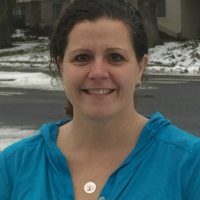







Michael Rhine
LMHC
Washington - 27yrs exp


Lenita Marquez
LMHC
Washington - 9yrs exp

Anna Allred
LPC, LMHC
Washington - 10yrs exp








How DBT approaches depression
Dialectical Behavior Therapy, or DBT, is a skills-based treatment that helps you build practical tools for managing intense emotions and patterns that can maintain depressive symptoms. Rather than focusing only on changing thoughts, DBT emphasizes learning and practicing concrete skills across four core modules - mindfulness, distress tolerance, emotion regulation, and interpersonal effectiveness. Mindfulness teaches you to observe moods and thoughts without immediate judgment. Distress tolerance gives you strategies to get through a crisis without making things worse. Emotion regulation helps you understand and reduce vulnerability to extreme mood states. Interpersonal effectiveness focuses on asking for what you need and maintaining relationships in ways that support your recovery.
When DBT is applied to depression, the work often centers on helping you break cycles of withdrawal, rumination, and avoidance. Skills training supports changes in daily habits, activity levels, and social interactions that often influence mood. Because DBT is structured and skills-focused, many people find it especially useful when depressive symptoms are accompanied by high emotional intensity, self-critical thinking, or repeated crises where short-term coping strategies are needed.
Finding DBT-trained help in Washington
If you live in Washington, there are multiple paths to finding a DBT therapist who can work with depression. Major urban centers such as Seattle, Tacoma, Bellevue, Spokane and Vancouver tend to have more clinicians who list DBT on their profiles, and many community mental health agencies and private practices in those cities offer DBT-informed programs. In smaller towns and rural areas, therapists increasingly provide DBT-informed services online, which expands your options beyond local availability.
When searching, look for therapists who describe a clear DBT focus - mention of DBT skills groups, individual DBT case management, or DBT-informed coaching can indicate deeper familiarity with the model. You can also ask prospective clinicians about their training in the four modules and whether they follow a structured DBT framework that includes skills training alongside individual work. Many therapists adapt DBT to fit individual needs, while others offer full-program formats that include both group skills training and individual therapy.
What to expect from online DBT sessions for depression
Online DBT sessions have become a common and effective way to access treatment in Washington, especially if you live outside major cities or have scheduling constraints. You can expect an initial intake session that establishes goals, assesses current functioning, and discusses whether DBT is a good fit for your needs. Individual therapy sessions typically focus on applying DBT skills to the problems you bring from week to week, while a skills group provides instruction and practice in the four modules.
Many DBT clinicians also offer coaching between sessions to help you apply skills in real-life moments. This coaching is usually brief and targeted to help you use a specific skill when you are struggling. Logistics for online work include agreeing on a reliable video setup, discussing privacy at the start of sessions, and setting clear expectations for attendance and group participation. You should be told how the therapist manages crises, how to contact them in urgent situations, and how fee and scheduling policies work for remote appointments.
Evidence and adaptations of DBT for depression
DBT was originally developed for people facing severe emotion dysregulation, and research has since examined its use across a range of mood concerns. Studies and clinical reports suggest that DBT skills can reduce patterns that commonly overlap with depression, such as rumination, impulsive behavior, and interpersonal conflict. In practice, therapists adapt DBT strategies to focus on depressive symptoms by emphasizing activities that increase behavioral activation, improving emotion regulation, and strengthening crisis coping skills.
In Washington, you will find clinics and university-affiliated programs that use DBT-informed approaches for mood disorders alongside community therapists who integrate DBT with other evidence-based interventions. While no single approach fits everyone, DBT’s emphasis on skills practice and structured sessions can be particularly helpful if you struggle with intense emotions, repeated setbacks, or difficulty maintaining routines that support mood stability.
Choosing the right DBT therapist in Washington
Choosing a therapist is a personal decision, and there are practical questions you can use to evaluate fit. Ask about the clinician’s specific DBT training and experience with depression, whether they provide both individual sessions and skills groups, and how they integrate coaching into treatment. If group work is offered, inquire about group size, frequency, and whether the group follows a manualized skills curriculum so you know what to expect over time.
Consider logistics that matter to your life. If you live in Seattle or Tacoma, you may prefer an in-person group combined with remote individual sessions. If you are in Spokane or a smaller community, confirm that the therapist is experienced with online delivery and that group times match your schedule. Think about insurance coverage, out-of-pocket rates, and cancellation policies before committing. It is also reasonable to ask about clinician values and approaches to cultural responsiveness, so you can find someone who understands your background and life context.
Practical tips for starting DBT work
When you begin DBT, you will likely receive homework assignments and practice exercises that help skills become part of daily life. Expect an initial period of learning where you experiment with mindfulness practices and simple behavior changes. You should plan for consistent attendance at skills group sessions if you enroll, since repetition and practice are central to skill acquisition. If you are trying DBT online, create a comfortable environment for sessions and identify a quiet space where you can participate without distraction.
Be proactive in conversations with a potential therapist. Ask how they measure progress, what success might look like for your goals, and how long they typically work with clients addressing depression. Clarifying these points can help you set realistic expectations and choose a therapist whose method aligns with your needs. In Washington, many clinicians balance evidence-based structure with flexibility to respond to life events, so you can find options that fit both clinical goals and practical constraints.
Local considerations
Washington’s mix of urban centers and rural landscapes influences how DBT is offered. In Seattle and Bellevue, you may find larger programs and more group options. In Tacoma and Vancouver, private practices often provide blends of individual and group care. In Spokane and other inland communities, online groups connect participants across distances and increase access. Whatever your location, use the listings to compare clinicians’ approaches, availability, and session formats so you can make an informed choice.
Next steps
If you are ready to explore DBT for depression, use the directory listings above to read profiles and reach out to clinicians who describe a skills-based DBT approach. Scheduling a brief consultation can help you learn how a therapist structures treatment, whether they offer group skills training, and how their approach fits your goals. With clear communication and regular practice of DBT skills, you can build tools that support more stable mood, clearer thinking, and more effective interactions over time.