Find a DBT Therapist for Body Image in Washington
This page connects you with DBT clinicians across Washington who focus on body image concerns. DBT-trained therapists use a skills-based approach grounded in mindfulness, emotion regulation, distress tolerance and interpersonal effectiveness - browse the listings below to find a clinician who fits your needs.


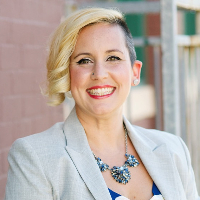



Lenita Marquez
LMHC
Washington - 9yrs exp

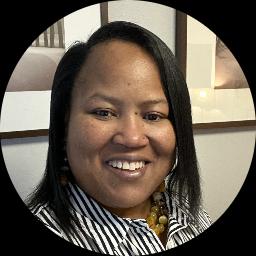
Patricia Brickman
LMHC
Washington - 3yrs exp


Leianne Trefry
LMHC
Washington - 11yrs exp



Christine Evers
LICSW
Washington - 26yrs exp







How DBT Approaches Body Image
Dialectical Behavior Therapy is a skills-based model that helps you change patterns of thinking and behavior that maintain distress around body image. Rather than focusing solely on changing the body or appearance, DBT helps you develop practical abilities to notice and respond to distressing thoughts and emotions. Mindfulness skills strengthen your ability to observe body-related thoughts without getting swept up in them. Emotion regulation skills teach you how to identify, label and modulate feelings that arise when body image concerns flare. Distress tolerance skills provide methods to get through intense moments when urges to engage in harmful behaviors or obsessive checking feel overwhelming. Interpersonal effectiveness helps you navigate relationships and social pressures that can influence how you see yourself.
Applying the Four DBT Modules to Body Image
When you explore DBT for body image, you will often find clinicians adapt the four modules to focus on appearance-related triggers. Mindfulness exercises might include noticing judgmental self-talk about shape or weight and practicing nonjudgmental observation. With emotion regulation you will work on recognizing the cascade of feelings that follow negative body thoughts - shame, anger, sadness - and learn strategies to shift intensity without avoidance. Distress tolerance offers short-term tools to survive acute urges to engage in eating disorder behaviors or compulsive checking. Interpersonal effectiveness work can help if family, friends or social media interactions contribute to body image distress, teaching you ways to ask for support, set boundaries and communicate your needs effectively.
Finding DBT-Trained Help for Body Image in Washington
In Washington you have options across urban and suburban communities. If you are in Seattle or Bellevue you may find clinicians who offer both individual DBT and specialized skills groups that focus on body image or related concerns. In Tacoma and Vancouver you can often locate therapists who integrate DBT skills into broader work on self-esteem and eating behaviors. In Spokane and other areas, therapists may offer telehealth options to make DBT skills training more accessible. When searching, look for clinicians who explicitly describe DBT training and experience adapting DBT for body image or eating-related issues. You can also look for programs that offer the three components common in contemporary DBT care - individual therapy, skills training groups and coaching between sessions.
What to Expect from Online DBT Sessions for Body Image
Online DBT often mirrors in-person care with a few practical differences. Individual therapy sessions focus on building a behavioral plan tailored to your goals around body image. Your therapist will help you chain analysis patterns - tracing the link between triggers, thoughts, emotions and actions - and then teach specific DBT skills to interrupt harmful cycles. Skills groups usually meet weekly and provide structured teaching of mindfulness, distress tolerance, emotion regulation and interpersonal effectiveness. These groups give you repeated practice in a learning-oriented environment and the chance to see how others apply skills. Coaching between sessions is sometimes offered by DBT-trained clinicians to help you apply skills in real time when urges or crises occur. For online coaching, therapists typically set clear boundaries about availability and methods of contact so you know what to expect.
Practical Considerations for Telehealth
If you choose telehealth, ensure you have a stable internet connection and a quiet place where you can participate without interruptions. Discuss with your clinician how they handle emergency situations and what local resources they recommend in Washington when immediate in-person care is needed. Ask about group logistics if you intend to join a skills class - some groups are closed for a cycle while others accept rolling enrollment. Many therapists in Washington offer hybrid models - a mix of online and occasional in-person meetings - which can be helpful if you live near Seattle, Tacoma or Spokane and prefer some face-to-face work.
Evidence Supporting DBT for Body Image
Research and clinical practice suggest that DBT is effective for behaviors and emotions often linked to problematic body image, such as binge eating, self-harm, and cycles of restrictive eating and overthinking. The skills-driven emphasis on regulating emotions and tolerating distress is directly relevant when intense shame or anxiety drive harmful coping behaviors. Clinicians in Washington draw on this body of evidence when adapting DBT to target appearance-related concerns, using validated DBT techniques while monitoring outcomes. While no single approach fits everyone, many clients report improved ability to manage urges, reduced emotional reactivity and clearer interpersonal communication after working in a DBT framework.
Choosing the Right DBT Therapist for Body Image in Washington
When you begin your search, prioritize clinicians who have formal DBT training and experience applying DBT to body image or eating-related issues. Ask potential therapists how they balance individual therapy with skills group participation, and whether they provide coaching between sessions. Inquire about the therapist's approach to measurement - how they track progress and adjust treatment goals over time. Consider practical matters such as location, telehealth options, session length and whether the therapist works with your insurance or offers a sliding scale. If cultural understanding and representation matter to you, ask about the clinician's experience working with clients from your background and how they adapt DBT to be culturally responsive.
Questions to Ask in an Initial Call
In an initial conversation you might ask how the therapist adapts DBT skills specifically for body image concerns, how they structure a typical week of treatment, and what a reasonable timeframe for change looks like. You can also ask about their experience working with clients in cities like Seattle, Tacoma, Bellevue or Spokane, and whether they run skills groups that focus on appearance-related triggers. A good therapist will describe how they collaborate with you to set measurable goals and will welcome questions about the therapy process.
Navigating Care Across Washington
Access to DBT-trained clinicians may vary across regions, but many therapists in Washington offer telehealth to bridge geographic gaps. If you live near a major city such as Seattle, Spokane, Tacoma, Bellevue or Vancouver, you may find a wider range of options including specialized groups and multi-therapist DBT teams. For those outside urban centers, telehealth can connect you to clinicians who have specific experience with body image issues. When choosing a provider, balance convenience with fit - a therapist who feels like a good match for your concerns and communication style will often be more helpful than picking solely by proximity.
Getting Started
Beginning DBT work for body image is a collaborative process. You and your therapist will identify patterns that maintain distress, choose DBT skills to target those patterns and practice them in and between sessions. Expect gradual progress and a focus on practical strategies that help you live a life aligned with your values rather than remaining stuck in cycles of judgment and avoidance. Use the listings above to find DBT-trained clinicians in Washington and reach out to ask about their experience with body image work, availability for individual sessions and skills groups, and how they support clients between sessions. Taking that first step can open a path to greater stability, flexibility and a kinder relationship with your body and self.