Find a DBT Therapist for Bipolar in Washington
This page lists DBT-trained clinicians who focus on bipolar care across Washington State. Information emphasizes Dialectical Behavior Therapy's skills-based approach and regional options for accessing care.
Explore the therapist listings below to review profiles, specialties, and formats available in the Seattle area and beyond.



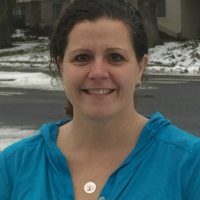





Anna Allred
LPC, LMHC
Washington - 10yrs exp














How DBT applies to bipolar mood instability
Dialectical Behavior Therapy was originally developed to help people manage intense emotions and impulsive behaviors. For individuals living with bipolar mood patterns, DBT's skills-based framework offers concrete tools for recognizing mood shifts, reducing harmful reactions, and building routines that support stability. Rather than promising a cure, DBT focuses on practical skills that you can apply moment to moment - learning mindfulness to observe mood changes without automatically acting on them, using distress tolerance to get through high-intensity episodes, employing emotion regulation strategies to reduce the frequency and intensity of extreme moods, and practicing interpersonal effectiveness to maintain relationships and get needs met while moods fluctuate.
These skill modules work together. Mindfulness builds awareness of early signs of hypomania or depression. Distress tolerance helps you manage crisis moments when impulses or hopeless feelings feel overwhelming. Emotion regulation gives you strategies to shift the intensity of a mood or to prevent escalation. Interpersonal effectiveness supports you in communicating with family, employers, and clinicians when mood-related challenges arise. In clinical practice, therapists often tailor these modules to the patterns and triggers associated with bipolar presentations, making the skills relevant to episodes of elevated energy as well as low mood.
Finding DBT-trained help for bipolar in Washington
When seeking a DBT therapist in Washington, start by looking for clinicians who have specific DBT training and experience working with mood disorders. Many providers in urban centers such as Seattle, Bellevue, Tacoma, Spokane, and Vancouver advertise DBT specialization, but qualified clinicians can also be found in suburban and rural settings. You may see variation in how DBT is offered - some clinicians deliver comprehensive, manualized DBT with all program components, while others provide DBT-informed individual therapy or DBT skills groups. Consider whether the provider lists membership in consultation teams, advanced DBT certifications, or continuing education focused on bipolar spectrum conditions.
Licensing and professional background matter as well. Therapists with licensure as clinical social workers, psychologists, marriage and family therapists, or professional counselors often provide DBT. Some clinicians also work as part of interdisciplinary teams that coordinate with psychiatrists or primary care providers, which can be useful if you are managing mood-stabilizing medication or other medical needs alongside therapy. Ask about experience treating bipolar specifically - experience often means familiarity with how episodes present, how skills can be adapted, and how to collaborate with prescribers.
What to expect from online DBT sessions for bipolar
Telehealth has expanded access to DBT statewide, making it easier to join individual therapy or skills groups even if you live outside major metros. Online DBT typically includes weekly individual sessions focused on applying skills to the problems you bring, accompanied by a skills training group where you learn and practice mindfulness, distress tolerance, emotion regulation, and interpersonal effectiveness. Many programs also offer coaching between sessions to help you use skills in real time when mood shifts occur. This coaching can take the form of brief, skills-focused contact that helps you bridge the gap between sessions.
If you participate in virtual skills groups, expect an educational and practice-oriented format where group members learn concepts and rehearse techniques. Group sizes and frequency vary, but the emphasis is on hands-on practice and homework assignments that reinforce learning. For individual online sessions, clinicians may plan treatment targets with you and review how DBT skills are working in daily life. Technology makes it possible to attend a group led from Seattle while working individually with a therapist based in Spokane or Tacoma, but it is important to confirm that telehealth services comply with licensing rules for therapists practicing across jurisdictional lines.
Evidence and outcomes for using DBT with bipolar presentations
Research on DBT adaptations for mood disorders has grown over the past decade. Studies and clinical reports suggest that DBT skills can reduce impulsive behavior, improve emotion regulation, and enhance functioning in people with mood instability. Many clinicians report that the teaching and practice of mindfulness and emotion regulation can be particularly helpful for recognizing early warning signs and for interrupting cycles that escalate into more severe episodes. The evidence base is not static - new adaptations and studies continue to refine how DBT is used for bipolar spectrum conditions - but the approach's emphasis on skill acquisition and behavioral change has resonated with many patients and providers.
In Washington, clinicians affiliated with academic centers and community clinics often participate in training and research that inform local practice. If evidence is an important factor for you, ask prospective therapists about the research that guides their approach and whether their program tracks outcomes. Understanding how a therapist measures progress - for example by tracking mood stability, hospitalizations, or functional goals - can help you evaluate whether the DBT approach is producing meaningful changes in your life.
Practical tips for choosing the right DBT therapist in Washington
Choosing a therapist is a personal and practical decision. First, clarify what you need right now - do you want a full DBT program with group and individual components, or are you looking for DBT-informed individual therapy while you arrange other supports? Ask potential providers about their specific DBT training, how long they have treated people with bipolar-related mood instability, and whether they participate in regular DBT consultation teams. These details reflect a clinician's commitment to fidelity and ongoing skill development.
Consider format and scheduling. If you live near Seattle or Bellevue you may have more in-person group options, while telehealth can widen the pool if you live in Spokane or in more rural areas. Inquire about how skills groups are run, what homework expectations look like, and how phone or messaging coaching is handled between sessions. Practical questions about insurance participation, sliding scale options, and session length matter too - discussing fees and coverage upfront helps avoid surprises.
Pay attention to therapeutic fit. In early sessions you should get a sense of whether the therapist explains DBT skills in a clear, collaborative way and whether they invite you to set goals. Effective DBT is directive yet collaborative - you should feel that the therapist is teaching practical tools and partnering with you to apply them. If you rely on community supports, ask how the therapist communicates with other providers, and whether they have experience coordinating care with psychiatrists or case managers.
Access considerations across Washington
Resource availability varies by location. Larger cities like Seattle, Tacoma, and Spokane often host clinics offering full DBT programs and specialized groups, while smaller communities may have clinicians who offer DBT-informed care or telehealth options. If transportation or work schedules present barriers, online groups and evening sessions may be available. It is reasonable to ask about wait lists and group start dates, as some programs run cohorts that begin at scheduled intervals. If you are seeking services in another city such as Vancouver or Bellevue, confirm whether in-person sessions are offered and whether telehealth remains an option when weather or travel make attendance difficult.
Moving forward with DBT care
When you are ready to reach out, prepare a few questions to guide initial conversations: inquire about the clinician's DBT background, how they adapt skills for bipolar mood patterns, what a typical week of treatment looks like, and how they handle coordination with prescribers. You may want to tour a skills group or request a short consultation call to see whether the clinician's style fits your needs. Over time, DBT emphasizes measurable skill use and gradual, observable change - as you practice mindfulness, distress tolerance, emotion regulation, and interpersonal effectiveness, you will have tools to navigate mood shifts and to work toward clearer, achievable goals in daily life.
Accessing DBT in Washington is increasingly feasible, whether you choose a program in a city center like Seattle or Spokane, or a telehealth provider who can meet your scheduling needs. Thoughtful selection, clear communication, and a focus on practical skill-building can help ensure that the DBT approach aligns with your personal recovery goals and daily life demands.