Find a DBT Therapist for Gambling in Utah
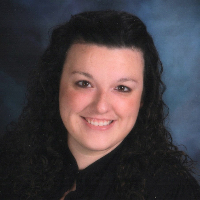
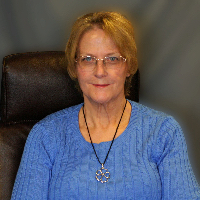
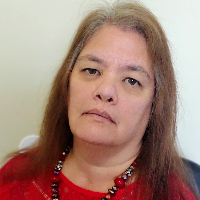
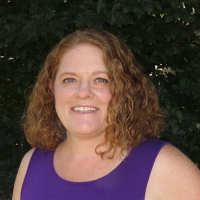
This page lists DBT-trained clinicians in Utah who focus on treating gambling-related concerns. Each profile highlights DBT experience, treatment formats, and local availability. Browse the listings below to find a clinician serving Salt Lake City, Provo, West Valley City, or other Utah communities.













How DBT specifically approaches gambling
If gambling has become a source of repeated distress in your life, Dialectical Behavior Therapy - DBT - offers a structured, skills-based path that targets the patterns that often keep people stuck. DBT was originally developed to help people manage intense emotions and impulsive behaviors, and its tools translate to gambling concerns by helping you notice triggers, tolerate urges without acting on them, reduce emotional reactivity, and improve relationships that can influence risky choices. Rather than focusing solely on stopping the behavior, DBT helps you build a set of practical skills you can use in moments of high craving or stress.
Mindfulness
Mindfulness practices teach you to observe urges and thoughts without immediately responding. For gambling, this means developing the capacity to pause and notice the sensations, images, and automatic scripts that arise when you feel the pull to gamble. Learning to separate observation from action gives you room to choose a different response, rather than reacting on impulse.
Distress tolerance
Distress tolerance skills are designed for moments when emotions feel overwhelming and you need ways to get through without making a decision you will regret. These tools often include brief grounding techniques, distraction methods, and acceptance strategies that can reduce the urgency of a gambling urge so you can ride it out rather than act on it.
Emotion regulation
Emotion regulation targets the underlying emotional patterns that can drive gambling - such as boredom, shame, loneliness, and frustration. In therapy you will learn to identify emotion cycles, reduce vulnerability to intense states, and build positive experiences that replace the emotional rewards gambling has provided. Over time, improved emotion regulation lowers the frequency and intensity of urges.
Interpersonal effectiveness
Interpersonal effectiveness skills help you navigate relationships and communicate needs in ways that reduce conflict and isolation - two common triggers for gambling. By strengthening how you ask for support, set boundaries, and manage disagreements, you can change the social patterns that may have contributed to risky betting or secretive behavior.
Finding DBT-trained help for gambling in Utah
When you look for DBT support in Utah, you want clinicians who not only know the core DBT skills but also can apply them to behavioral and impulse-related issues. Begin by checking clinician profiles to see whether they list DBT training, consultation team participation, or experience adapting skills work for gambling. Many therapists in larger communities like Salt Lake City and Provo offer a mix of individual DBT and skills groups. If you live outside a metropolitan area, practitioners in West Valley City, Ogden, or St. George may provide telehealth options that make ongoing DBT more accessible.
Ask prospective therapists how they tailor DBT for gambling-related behaviors. Useful indicators include experience running DBT skills groups, offering coaching for urgent urges, tracking progress with measurable goals, and collaborating with family or significant others when appropriate. You may also want to know whether a therapist has experience with co-occurring issues such as anxiety, mood concerns, or substance use, since these commonly interact with gambling behavior.
What to expect from online DBT sessions for gambling
Online DBT mirrors many elements of in-person care while offering flexibility for people across Utah. A typical approach includes weekly individual therapy to focus on your unique targets, a concurrent skills training group that teaches the four DBT modules in a structured way, and coaching - often available between sessions - to help you apply skills in real time. Initial sessions typically begin with an assessment of your gambling patterns, immediate safety concerns, and priority treatment targets.
In individual online sessions you will work with a clinician to set specific goals, practice problem-solving around high-risk situations, and review use of skills. Skills groups provide a classroom-like environment where you learn and practice techniques for mindfulness, distress tolerance, emotion regulation, and interpersonal effectiveness. Coaching helps you bridge the gap between learning skills and using them when urges arise, and it can be especially helpful during moments when you feel most compelled to gamble.
Online formats vary - some clinicians run closed skills groups that meet for a set number of weeks, while others offer rolling groups that accept new members more frequently. You should ask in advance how groups are structured, whether sessions are recorded, and how the clinician supports accountability. Many people in Utah find that combining individual therapy with a skills group and brief coaching offers the most consistent progress.
Evidence and clinical rationale for using DBT with gambling
Research and clinical practice have shown that DBT techniques address key processes that underlie gambling behavior - namely impulsivity, emotional dysregulation, and maladaptive coping. Clinical trials and program evaluations in related areas of behavioral addiction and impulse-control disorders report that skills-based interventions can reduce harmful behaviors and improve emotional stability. Therapists across Utah draw on that body of work when adapting DBT for gambling, integrating the best available strategies to support safer decision-making and improved quality of life.
It is important to note that DBT is one of several therapeutic approaches used for gambling-related concerns, and clinicians often combine DBT skills with motivational strategies, relapse prevention planning, and practical problem-solving. When you review Utah providers, ask how they measure progress and which outcomes they track. A clinician who uses concrete metrics - such as frequency of gambling episodes, intensity of urges, or days abstinent - can help you see whether the plan is producing meaningful change.
Tips for choosing the right DBT therapist for gambling in Utah
Selecting a therapist is both a practical and personal decision. Start by narrowing options to clinicians who list DBT training and specific experience with gambling or impulse-control issues. Consider whether you prefer someone who offers both individual therapy and skills groups, since the combination tends to be central to DBT. Think about logistics such as whether you want in-person sessions in areas like Salt Lake City or St. George, or whether telehealth is preferable for scheduling and access. Insurance coverage, sliding-scale options, and session frequency are practical details to clarify early in the conversation.
Equally important is the working relationship. In initial consultations you can gauge whether a therapist explains DBT in a way that makes sense to you, how they plan to track progress, and how they will help you handle setbacks. Ask about coaching availability for moments of high urge, how family members may be involved if needed, and whether the clinician collaborates with other professionals - for example primary care providers - when concerns overlap. Trust your impressions; the best therapy fit is one where you feel heard and where the DBT plan feels doable in everyday life.
Finally, remember that change takes time and practice. DBT offers a clear map and skills you can use immediately, but consistent practice and support often produce the best results. Whether you live in a city center like Provo or a more rural Utah community, a DBT-trained therapist can help you apply mindfulness, distress tolerance, emotion regulation, and interpersonal effectiveness to reduce gambling harms and build a more manageable, balanced life.
Next steps
Use the listings above to review clinician profiles, confirm DBT experience, and reach out for an initial consultation. Preparing a short list of questions about how they adapt DBT for gambling, what to expect in the first month of treatment, and how progress will be measured can make your first contact more productive. Connecting with the right DBT clinician in Utah can give you practical, skills-based tools to manage urges and improve how you respond to the situations that trigger gambling.