Find a DBT Therapist for Sexual Trauma in South Carolina
This page highlights therapists across South Carolina who use Dialectical Behavior Therapy to address sexual trauma. Explore clinician profiles below to find DBT-trained providers focused on mindfulness, distress tolerance, emotion regulation, and interpersonal effectiveness.

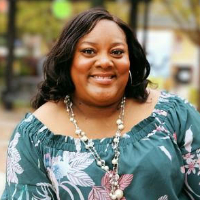








LaToshia Spearing
LPC
South Carolina - 21yrs exp











How DBT approaches sexual trauma
If you are seeking help after sexual trauma, DBT offers a structured, skills-focused approach that can help you manage intense emotions, reduce self-destructive coping, and rebuild relationships. DBT emphasizes learning practical skills across four modules - mindfulness, distress tolerance, emotion regulation, and interpersonal effectiveness - that can be applied to everyday triggers and to longer-term trauma recovery. Mindfulness helps you develop present-moment awareness so memories and body sensations feel less overwhelming. Distress tolerance offers tools to get through acute moments when intense reactions threaten your ability to function. Emotion regulation teaches ways to reduce the intensity and duration of painful feelings and to increase positive emotional experiences. Interpersonal effectiveness supports setting healthy boundaries, asserting needs, and repairing or redefining relationships that have been affected by trauma.
Applying DBT skills to trauma-related challenges
In practice, a DBT-informed plan for sexual trauma will weave these skills into both immediate safety and long-term growth. You may learn grounding and breathing practices to soothe flashbacks, distress-tolerance strategies to ride out panic or dissociation, emotion-regulation techniques to reduce reactivity to reminders, and interpersonal skills to communicate needs with partners, family, or providers. Therapists often customize skill practice to your triggers and daily routines so that skills feel relevant and usable outside sessions. The goal is not to erase painful memories but to build capacities that let you live with more stability and a greater sense of agency.
Finding DBT-trained help for sexual trauma in South Carolina
When looking for a DBT therapist in South Carolina, consider clinicians who explicitly list DBT training, experience working with sexual trauma, and a clear approach to skills training. Many listings include information about whether a clinician runs DBT skills groups, offers individual DBT-informed therapy, or provides coaching between sessions. Look for therapists who describe how they integrate the four DBT modules into trauma care and who explain their experience with populations similar to yours. Geography matters for in-person work - cities such as Charleston, Columbia, Greenville, and Myrtle Beach host clinics and practitioners who specialize in trauma and DBT, while smaller towns may rely more on telehealth options.
Licensure and training to consider
Therapists may hold credentials such as Licensed Clinical Social Worker, Licensed Professional Counselor, or psychologist license. Training in DBT can vary from formal certification programs to intensive workshops and ongoing consultation. Ask about the kinds of DBT experiences a clinician has had, whether they participate in DBT consultation teams, and how they continue to update their trauma-focused skills. Experience with sexual trauma, trauma-informed care, and cultural responsiveness are equally important when choosing a good fit.
What to expect from online DBT sessions for sexual trauma
Online DBT has become a common way to access consistent, specialized care across South Carolina. If you choose telehealth, expect most programs to include a combination of individual therapy, skills training groups, and between-session coaching or support. Individual sessions focus on your specific history, safety planning, coping strategies for triggers, and tailoring DBT skills to your life. Skills groups provide a structured environment to learn and rehearse the four DBT modules with peers, often led by trained group facilitators. Coaching between sessions helps you apply skills in real time when you face distressing situations.
Initial virtual appointments typically include an assessment of symptoms, safety evaluation, and collaborative goal setting. Therapists will discuss how they handle crisis situations, what supports are recommended locally in South Carolina, and whether any in-person components are required. Many providers are mindful of the challenges of remote work and will check that you have a stable internet connection and a comfortable environment for sessions. Online DBT can be particularly helpful if you live outside major cities like Charleston or Greenville and need access to specialized DBT skills groups that are otherwise unavailable locally.
Evidence and local practice
While research continues to evolve, DBT has an established evidence base for helping people with emotion dysregulation and behaviors commonly seen after trauma, such as self-harm and substance misuse. Clinicians in South Carolina apply these empirically informed practices to support trauma recovery by emphasizing skills that reduce vulnerability to intense states and improve daily functioning. Many providers adapt the standard DBT framework to focus on trauma-related symptoms, combining stabilization and skills-building with trauma-focused therapies when appropriate and agreed upon in treatment planning.
In cities like Columbia and Charleston, community mental health centers, private practices, and university clinics often offer DBT-informed programs. You may find programs that integrate standard DBT with trauma-sensitive modifications designed to respect pacing and safety. Local therapists frequently collaborate with other providers - medical professionals, advocacy organizations, and support networks - to create comprehensive care plans that reflect available resources across urban and rural areas.
Choosing the right DBT therapist for sexual trauma in South Carolina
Choosing a therapist is a personal process. Start by reviewing profiles for clear descriptions of DBT training and trauma experience. Reach out for initial consultations to get a sense of the therapist's style, how they explain DBT skills, and how they plan to structure treatment. Ask about the balance between individual therapy and skills groups, the expected length of treatment, how progress is measured, and what supports are in place for crisis moments. Inquire about cultural competence and whether the therapist has experience working with people of your background, identity, or life circumstances.
Consider practical factors such as location, availability of evening appointments, telehealth options, insurance acceptance, and sliding scale fees. If you live near major centers like Charleston, Greenville, or Myrtle Beach, you may have more choices for in-person DBT groups. If transportation or scheduling is a barrier, online sessions can increase access to specialized DBT care. Trust your instincts about rapport; a good therapeutic fit is one where you feel heard and where the therapist can clearly explain how DBT skills will be taught and practiced.
Before committing, you might ask sample questions in a consultation, such as how the therapist integrates mindfulness into trauma work, what distress-tolerance tools they prioritize for flashbacks or panic, how emotion-regulation strategies are taught and practiced, and how interpersonal effectiveness is used to rebuild trust and boundaries. Asking about coordination with medical providers or advocacy services can also be helpful if you need multidisciplinary support.
Next steps
Begin by browsing profiles in the directory to find DBT-trained clinicians in locations that work for you. Schedule a consult with one or two therapists to discuss DBT-specific approaches to sexual trauma and to see how their practice aligns with your needs. Whether you are in Charleston, Columbia, Greenville, or a smaller community across South Carolina, DBT offers a clear, skills-based pathway that many people find helpful when managing trauma-related challenges. Taking the first step toward a consultation can help you learn what DBT would look like in your life and how to build the steady skills needed for recovery.