Find a DBT Therapist for Self-Harm in South Carolina
This page lists DBT therapists in South Carolina who focus on treating self-harm through a skills-based Dialectical Behavior Therapy approach. Browse the listings below to review providers across Charleston, Columbia, Greenville and nearby communities and contact a therapist who meets your needs.




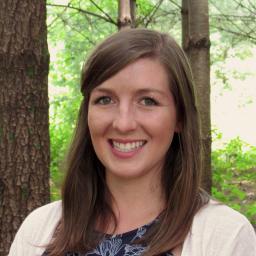
Samantha Aggeles
LPC
South Carolina - 6yrs exp
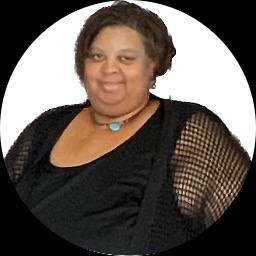
Lauryn Blanding
LPC
South Carolina - 8yrs exp









How DBT addresses self-harm
If you are seeking help for self-harm, Dialectical Behavior Therapy, commonly called DBT, is designed around teaching practical skills to reduce harmful behaviors and build a more manageable daily life. DBT is not focused on blaming or pathologizing - it emphasizes learning and practicing tools that help you tolerate distress, regulate intense emotions, be mindful in the moment, and improve interactions with others. These are concrete skills you can use when urges arise, and they are organized into four modules that guide treatment and practice.
The four DBT skill modules
Mindfulness helps you notice what is happening inside and around you without judgment so that you can respond rather than react. Distress tolerance gives you strategies to ride out crisis moments safely when immediate change is not possible. Emotion regulation teaches you how to reduce the intensity and duration of difficult feelings and to increase positive emotional experiences. Interpersonal effectiveness focuses on communicating needs, setting boundaries, and maintaining relationships in ways that align with your values. Together these modules form a skills-based framework that many people find usable in daily life.
Finding DBT-trained help in South Carolina
When looking for a DBT therapist in South Carolina, you will want to find clinicians who are experienced with treating self-harm and who offer a DBT-informed structure. Some therapists provide the full DBT model, which typically includes individual therapy, skills training groups, consultation teams for clinicians, and between-session coaching. Others offer DBT-informed individual work or skills coaching embedded in a broader approach. In cities like Charleston, Columbia, Greenville and along the coast near Myrtle Beach, you can often find clinicians who list DBT as a specialty and who describe specific DBT training or supervision.
What to look for in a DBT provider
Ask prospective therapists how they apply DBT to self-harm, whether they offer skills groups, and how they handle crisis coaching between sessions. Inquire about training - many clinicians participate in DBT consultation teams, attend workshops, or complete formal DBT training programs. Also consider practical matters like whether the therapist offers in-person appointments in your area, telehealth options, insurance acceptance, and sliding-scale fees. If you live outside major cities, telehealth can expand your options and connect you with DBT-focused clinicians across South Carolina.
What to expect from online DBT sessions for self-harm
Online DBT often mirrors in-person care while offering more scheduling flexibility. Individual DBT sessions are typically weekly and focus on problem-solving, skill coaching, and working through behaviors like self-harm with a collaborative plan. Skills training groups are usually held weekly and provide structured lessons on mindfulness, distress tolerance, emotion regulation, and interpersonal effectiveness, followed by guided practice and homework. Between-session coaching is designed to help you apply skills in real time when difficult moments occur, and many therapists provide coaching by phone or secure messaging in agreed-upon ways. When participating online, expect attention to safety planning, clear agreements about how to reach your clinician during crises, and use of technology to share handouts and skill exercises.
Practical considerations for telehealth
Before starting online sessions, check that your internet connection supports video calls and that you have a quiet, comfortable environment for therapy. Confirm how appointments will be conducted and what to do if a connection drops. For group skills training, ask whether groups meet at consistent times and how facilitators handle participation and practice. Many people find that online DBT groups make attendance easier when travel to a clinic would be difficult, and that virtual groups can still foster connection and accountability.
Evidence and clinical experience supporting DBT for self-harm
DBT was developed to address patterns of self-harm and intense emotional dysregulation, and research over several decades has supported its effectiveness in reducing self-injury and improving coping skills. You can expect clinicians who specialize in DBT to use evidence-informed strategies and to document progress through regular check-ins on behaviors and skills use. In South Carolina, therapists in urban and regional centers often draw on this research when designing programs and when explaining what clients can expect. While individual experiences vary, many people report that learning and practicing DBT skills reduces the frequency of self-harm urges and increases their ability to manage crisis moments without harm.
Tips for choosing the right DBT therapist in South Carolina
Start by clarifying your goals - whether you want immediate support for recent self-harm, help reducing urges, or a longer-term skills program. When you contact a clinician, ask how they structure DBT in their practice and whether they provide a combination of individual therapy, skills groups, and between-session coaching. If you prefer in-person care, look for therapists located near Charleston, Columbia, Greenville or other nearby towns. If travel is a barrier, prioritize clinicians who offer reliable telehealth and who have experience running online skills groups.
Consider the therapist's approach to safety planning and collaboration. A good DBT clinician will discuss how they create a plan with you for moments of elevated risk, explain how coaching between sessions works, and describe measurable goals for reducing self-harm behaviors. You may also want to learn about the clinician's cultural competence and experience working with people who share aspects of your identity, as this can shape the fit of the therapeutic relationship.
Practical fit matters as much as clinical expertise. Confirm logistics like appointment frequency, cost, insurance acceptance, cancellation policies, and whether the therapist works with adolescents or adults if that matters to you. Many people benefit from an initial consultation call to get a sense of rapport and the therapist's DBT orientation before committing to treatment.
Next steps and using this directory
As you browse the therapist listings on this page, use provider profiles to compare training, services offered, areas served and whether they provide group skills training or remote sessions. Keep in mind that building new coping patterns takes practice and time, and that selecting a therapist who matches your communication style and availability can improve your chances of staying engaged. Whether you are in Charleston, Columbia, Greenville, Myrtle Beach or another South Carolina community, this directory is intended to help you find clinicians who focus on DBT for self-harm so you can begin exploring options and reach out when you are ready.
If you are in immediate danger or feel that you might act on urges, contact local emergency services or a crisis line right away. For other concerns, reaching out to a DBT-trained therapist is a constructive step toward learning skills that make a difference in day-to-day coping and long-term wellbeing.