Find a DBT Therapist for Seasonal Affective Disorder (SAD) in South Carolina
This page lists DBT therapists across South Carolina who work with Seasonal Affective Disorder (SAD). Each profile highlights clinicians trained in the DBT model so visitors can compare approaches and find a fit.
Browse the listings below to review qualifications, services, and location options in the state.








Cindy Richardson
LPC
South Carolina - 25yrs exp


Lauryn Blanding
LPC
South Carolina - 8yrs exp
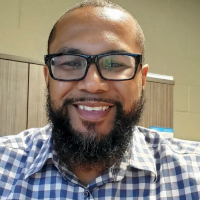


Amanda Reid
LPC
South Carolina - 10yrs exp











How DBT applies to Seasonal Affective Disorder
If you notice seasonal shifts in mood, energy, or motivation, a skills-focused approach like Dialectical Behavior Therapy can offer concrete strategies to manage those patterns. DBT is organized around four core skill modules - mindfulness, distress tolerance, emotion regulation, and interpersonal effectiveness - and each of these has practical relevance when symptoms fluctuate with seasons. Mindfulness helps you notice early changes in sleep, appetite, or mood without immediately reacting; that early awareness can create space to choose different coping steps. Distress tolerance gives you ways to get through low-energy or low-motivation days without making choices that worsen the situation. Emotion regulation offers strategies to reduce emotional intensity when sadness, irritability, or hopelessness increase. Interpersonal effectiveness helps you maintain relationships and ask for support during periods when social withdrawal feels tempting.
In practice, DBT frames seasonal shifts as patterns to be observed and influenced rather than fixed outcomes. You will work with a therapist to track mood and behavior over weeks and seasons, learn specific skills to interrupt unhelpful cycles, and build routines that support functioning during times of lowered daylight or colder weather. Because DBT emphasizes both acceptance and change, the approach balances validation of how seasonal changes affect you with active skill-building to respond differently.
Finding DBT-trained help for SAD in South Carolina
When looking for DBT therapists in South Carolina, consider clinicians who explicitly list training in DBT and who describe using skills groups in addition to individual sessions. Major population centers such as Charleston, Columbia, Greenville, and Myrtle Beach often have clinics and private practitioners offering DBT-informed care, but qualified providers can be found across the state. If in-person options are limited in your area, many DBT therapists offer online services that make access easier regardless of where you live in South Carolina.
It is reasonable to ask potential therapists about their experience applying DBT to depressive or mood-related concerns and whether they adapt the DBT protocol to address seasonal patterns. Some clinicians combine standard DBT techniques with behavioral activation and lifestyle planning targeted at sleep, light exposure, and daily structure. You can inquire about whether the therapist runs structured skills groups, provides coaching between sessions, and participates in peer consultation - all of which are common elements of a DBT-informed program.
What to expect from online DBT sessions for SAD
If you choose online DBT, sessions typically mirror the components of in-person treatment. Expect weekly individual therapy focused on problem prioritization and skill application. Many programs also offer weekly skills group meetings where you learn and practice mindfulness, distress tolerance, emotion regulation, and interpersonal effectiveness in a supported setting. Some therapists provide phone or messaging coaching for moments when you need to apply a skill in daily life between sessions. This real-time coaching can be useful during brief crises or when seasonal lows make it difficult to initiate coping strategies.
Online sessions are usually conducted from a comfortable environment in your home, and therapists can adapt exercises to work well through video. Skills groups conducted online provide the additional benefit of peer support and shared practice, which can be especially helpful when seasonal isolation is a factor. You should confirm how group attendance is handled, what privacy practices the clinician has in place, and how technical logistics such as scheduling and billing are managed before beginning.
Structure and tools you may encounter
In DBT for SAD, your therapist may use diary cards to track mood, sleep, and skill use across days and weeks. Behavior chain analysis can help you see the sequence of events that leads to withdrawal or reduced activity so you can identify intervention points. Skill rehearsal and role play in sessions are common ways to make new responses feel more automatic when seasonal stressors arise. Over time, these practical tools aim to increase your ability to notice changes earlier and to choose behaviors that protect your wellbeing.
Evidence and clinical perspective on DBT for seasonal mood patterns
Research on DBT has shown effectiveness for emotion dysregulation and for conditions where mood and interpersonal problems are prominent. While most DBT studies focus on populations with severe emotion regulation difficulties, clinicians and researchers have explored extensions of the model to broader mood concerns, including cyclical or seasonal patterns. Evidence suggests that the core DBT skills can reduce impulsive or avoidant reactions to difficult emotions, and that building routines and behavioral strategies can complement other approaches you may be using for seasonal symptoms.
In South Carolina, clinicians often combine DBT skills with behavioral and lifestyle planning tailored to seasonal changes - for example, establishing morning routines, planning outdoor activity during daylight hours, and creating actionable strategies for low-energy periods. Those practical adaptations make DBT relevant for managing the real-world impact of seasonal shifts, while maintaining fidelity to the model's emphasis on skills training and validation.
Choosing the right DBT therapist in South Carolina
Finding a good match involves both training and fit. Look for therapists who describe formal DBT training or who list ongoing consultation with a DBT team. Ask how they tailor DBT to seasonal concerns and whether they offer both individual therapy and skills groups. Consider practical matters as well - whether the clinician offers appointments at times that fit your schedule, whether they provide online sessions if travel is a barrier, and whether they are located near major hubs like Charleston, Columbia, or Greenville if you prefer in-person meetings.
Beyond credentials, you should evaluate how comfortable you feel with the therapist's communication style and approach to goal setting. DBT is collaborative and structured, so a therapist who explains how skills will be taught and how progress is measured is often easier to work with when addressing recurring seasonal patterns. It is also reasonable to ask about the expected length of treatment and how relapse or seasonal recurrence is handled within their program.
Practical steps to get started
Begin by reviewing therapist profiles and noting clinicians who mention DBT skills training and experience with mood or seasonal concerns. Reach out to ask about services offered in your city or online, how groups are scheduled, and whether coaching is available between sessions. If therapy cost or insurance is a concern, ask about sliding-scale options or in-network providers in South Carolina. When you have an initial consultation, consider whether the therapist discusses concrete plans for tracking seasonal patterns and for practicing skills in everyday situations.
DBT is a skills-based, practical approach that can give you tools to respond differently to seasonal mood shifts. Whether you are exploring care options in Charleston, Columbia, Greenville, or elsewhere in South Carolina, focusing on therapists who combine formal DBT skill training with an understanding of seasonal influences will help you find an approach that fits your needs and lifestyle.