Find a DBT Therapist for Panic Disorder and Panic Attacks in South Carolina
On this page you will find DBT-trained clinicians across South Carolina who focus on treating panic disorder and panic attacks using a structured, skills-based approach. Listings highlight therapists who offer individual DBT, skills groups, and coaching to help you manage intense anxiety symptoms. Browse the profiles below to connect with a DBT provider near Charleston, Columbia, Greenville, or elsewhere in the state.






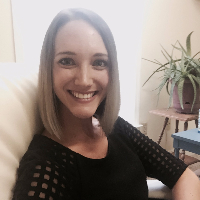







Samantha Aggeles
LPC
South Carolina - 6yrs exp



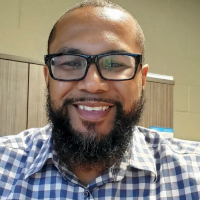
Cindy Richardson
LPC
South Carolina - 25yrs exp


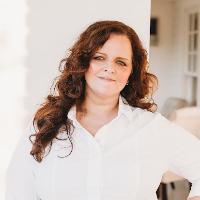
Lauryn Blanding
LPC
South Carolina - 8yrs exp



How DBT Approaches Panic Disorder and Panic Attacks
If you experience sudden waves of intense fear, racing heart, shortness of breath, or a sense of losing control, DBT offers a skills-oriented path to help you respond differently to those moments. Dialectical Behavior Therapy is built around four core modules - mindfulness, distress tolerance, emotion regulation, and interpersonal effectiveness - and each module has practical relevance when panic strikes. Mindfulness helps you notice the earliest physical and mental signs of a panic response without automatically reacting. Distress tolerance teaches ways to ride out acute episodes when you cannot immediately change your circumstances, offering methods to reduce escalation in the moment. Emotion regulation targets the patterns that make panic more frequent or intense by helping you understand and alter how you respond to strong emotions. Interpersonal effectiveness supports you in communicating needs and setting boundaries so interpersonal stressors do not fuel anxiety over time.
Skills-Based Practice for In-the-Moment Help
DBT emphasizes repeated practice of concrete skills so that when you are faced with a panic attack, you have a set of practiced responses to draw on. Techniques drawn from mindfulness - such as focused breathing and grounding by noticing sensory details - are taught and practiced until they feel familiar. Distress tolerance strategies may include brief distraction techniques, progressive muscle relaxation, and paced breathing that lower physiological arousal when a panic episode begins. Emotion regulation work helps you map links between triggers, thoughts, and bodily sensations so you can shift patterns that perpetuate panic. Over time, consistently using these skills can help reduce the frequency and intensity of attacks and increase your confidence in managing them.
Finding DBT-Trained Help in South Carolina
When searching in South Carolina, you will find DBT-trained clinicians in urban centers like Charleston, Columbia, Greenville, and in coastal communities such as Myrtle Beach. A DBT-focused therapist may advertise training in standard DBT protocols or list specific experience adapting DBT for anxiety and panic. You can look for clinicians who offer a combination of individual DBT and skills training groups, because the full DBT model blends both personal work and group practice. If you live outside a major city, many South Carolina therapists provide telehealth visits that make DBT more accessible from smaller towns and rural areas.
What to Ask When You Search
As you review profiles, consider whether a clinician emphasizes skills training for panic, describes regular consultation or ongoing DBT supervision, and outlines how they structure treatment. It is helpful to know whether you will be offered skills groups in addition to individual therapy, whether coaching between sessions is available for moments of crisis, and how long the clinician typically works with people presenting with panic-related concerns. You can also check for experience working with co-occurring conditions, since panic often occurs alongside other mood or anxiety issues.
What to Expect from Online DBT Sessions for Panic
Online DBT sessions bring the same core elements you would find in an in-person program - individual therapy, skills groups, and coaching - into a virtual format. In individual sessions, you and your therapist typically review a brief diary card or symptom tracker, analyze recent panic episodes using behavioral chain analysis, and set concrete skills-based goals for the coming week. Skills groups conducted online follow a curriculum that teaches and rehearses mindfulness, distress tolerance, emotion regulation, and interpersonal effectiveness techniques. Coaching between sessions may be available by phone or secure messaging so you can get in-the-moment guidance on applying skills during a panic attack. Many people find online DBT helpful when local group options are limited, and it can be especially convenient if you live outside cities like Charleston or Greenville.
Practical Considerations for Virtual Care
If you pursue online DBT, check how the therapist handles group logistics, how often groups meet, and what technology is required. Ask whether group sessions are recorded for make-up, what privacy practices are in place for video meetings, and how coaching access works during off-hours. It is reasonable to inquire about the typical session length and frequency, how progress is tracked, and how crisis situations are managed in a telehealth context.
Evidence and Clinical Practice for DBT and Panic
DBT was originally developed to address severe emotion dysregulation, but clinicians and researchers have adapted its skills-focused elements to treat a wider range of anxiety presentations, including panic disorder and panic attacks. Clinical reports and studies suggest that DBT techniques - particularly those targeting mindfulness and distress tolerance - can reduce panic intensity and help people respond more effectively to anxiety symptoms. While research is evolving, many therapists in South Carolina integrate DBT skill training with cognitive-behavioral strategies to address panic in a comprehensive way. If you are interested in the evidence base, you can ask providers about how they incorporate empirically supported practices and whether they track outcomes in therapy.
Choosing the Right DBT Therapist in South Carolina
Finding the right therapist is a personal process and you should feel empowered to evaluate several factors before committing to care. Consider whether the clinician has explicit DBT training and ongoing consultation, whether they offer both individual therapy and skills groups, and whether they describe experience working with panic-focused treatment plans. Also factor in practical matters such as location if you prefer in-person visits, or the availability of online sessions if you need more flexibility. If insurance coverage matters to you, confirm whether the clinician accepts your plan or offers a fee structure that fits your budget. It can be helpful to request an initial consultation to get a sense of the therapist's style and whether their approach to teaching and practicing DBT skills aligns with your needs.
Local Fit and Community Considerations
Where you live in South Carolina may influence which providers are easiest to access. In Charleston you may find both hospital-affiliated DBT programs and private clinicians offering group-based skills training. Columbia and Greenville host clinicians who combine DBT with exposure-based techniques for panic, and coastal towns often have therapists offering telehealth to broaden access. Think about whether you prefer a clinician who practices in an urban setting or someone who emphasizes community-based resources and referrals. Your comfort with the therapist's approach and their willingness to adapt skills to your daily life are often as important as formal credentials.
Next Steps
Begin by browsing the listings on this page to identify DBT therapists who mention panic disorder, panic attacks, or anxiety-focused skills work. Reach out to a few clinicians to ask about their DBT training, how they structure individual and group sessions, and whether they offer coaching when you need in-the-moment support. Whether you connect with a provider in Charleston, Columbia, Greenville, or via telehealth from another part of South Carolina, the goal of DBT is to give you practical skills that help you tolerate and reduce panic symptoms while building a life that feels more manageable and meaningful. Taking that first step to contact a DBT clinician can help you explore whether skills-based treatment is a fit for your needs.