Find a DBT Therapist for Mood Disorders in South Carolina
This page lists clinicians across South Carolina who use Dialectical Behavior Therapy to support people with mood disorders. You will find therapists trained in DBT’s core skills - mindfulness, distress tolerance, emotion regulation, and interpersonal effectiveness - organized by location and practice details. Browse the listings below to review profiles and contact options.


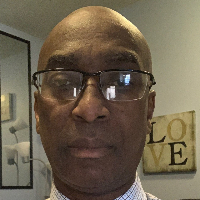












LaToshia Spearing
LPC
South Carolina - 21yrs exp

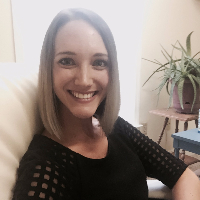
Samantha Aggeles
LPC
South Carolina - 6yrs exp



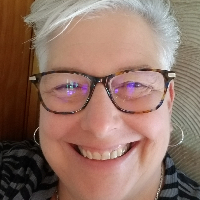
Cindy Richardson
LPC
South Carolina - 25yrs exp


How DBT Specifically Treats Mood Disorders
Dialectical Behavior Therapy works as a skills-based approach that helps you manage persistent mood challenges by teaching practical tools alongside supportive psychotherapy. Rather than focusing only on symptoms, DBT trains you to notice emotional patterns, tolerate intense feelings, change reactive behaviors, and navigate relationships in ways that reduce stress and promote stability. The model balances acceptance of your current experience with active strategies for change - a balance that can be especially helpful when moods swing, feel overwhelming, or interfere with daily life.
Mindfulness is central to DBT and teaches you how to observe thoughts and feelings without judgment. This helps you recognize early shifts in mood so you can use other skills before a crisis escalates. Distress tolerance focuses on getting through moments of intense upset without making things worse, using techniques to lower arousal and ride out strong emotions when immediate change is not possible. Emotion regulation offers strategies to reduce the intensity and duration of difficult emotions by identifying triggers, building opposite-action habits, and increasing activities that support mood stability. Interpersonal effectiveness helps you set boundaries, ask for what you need, and resolve conflict in ways that protect relationships and reduce interpersonal stressors that often worsen mood problems.
When DBT is tailored for mood disorders, clinicians emphasize strategies that stabilize daily routines, improve sleep and activity levels, and reduce behaviors that maintain low or volatile mood. The combination of skills training and one-on-one therapy gives you both the tools and the space to practice them in real life with professional guidance.
Finding DBT-Trained Help in South Carolina
Finding a DBT-trained therapist in South Carolina often starts with looking for clinicians who list DBT-specific training, consultation team involvement, or certification in their profiles. Urban centers like Charleston, Columbia, and Greenville typically have more clinicians offering full DBT programs, including structured skills groups and consultation teams. If you live in smaller towns or coastal areas such as Myrtle Beach, many therapists still use DBT-informed techniques and offer telehealth to increase access. Use profile information to learn about a clinician’s DBT experience, whether they provide standard comprehensive DBT or DBT-informed individual therapy, and whether they run skills groups.
When you review listings, look for clarifying details about how DBT is delivered, such as the presence of weekly skills groups, individual therapy sessions that follow DBT principles, and access to coaching between sessions. These components matter because DBT is most effective when skills practice and therapist support are combined. In South Carolina you can often find a mix of private practice clinicians, community mental health providers, and clinic-based teams offering DBT-informed care.
Questions to Consider Before Reaching Out
Before you schedule an appointment, it helps to know what to ask. You might want to confirm how long the clinician has been practicing DBT, whether they participate in DBT consultation teams, and how they adapt DBT for mood disorders specifically. You can also ask about session formats, group schedules, and whether they provide coaching for moments when you need immediate skills support. Insurance acceptance, sliding scale options, and telehealth availability are practical considerations that will influence whether a particular clinician is a good fit for your needs.
What to Expect from Online DBT Sessions for Mood Disorders
Online DBT makes the same core elements available in a virtual format and can be particularly useful if you live outside major cities or have transportation constraints. Individual DBT sessions typically focus on applying DBT strategies to your personal goals, reviewing homework or skills practice, and planning how to use skills in upcoming situations. Skills groups are structured sessions where you learn and practice the four DBT modules - mindfulness, distress tolerance, emotion regulation, and interpersonal effectiveness - and online groups often use worksheets, role plays, and breakout discussions to keep learning interactive.
Another common feature is between-session coaching - often called phone or digital coaching - which lets you reach out to your therapist for help applying a skill during a difficult moment. This support can bridge the gap between learning a technique in a group or individual session and using it in real life. For online work, plan to be in a quiet, private space where you can engage without interruptions, check that your internet connection is stable, and confirm whether the clinician uses video, audio, or a mix of formats. Many therapists in South Carolina now offer hybrid models so you can attend in person when possible and join virtually when travel or scheduling becomes difficult.
Evidence Supporting DBT for Mood Disorders
DBT was originally developed for emotion-related difficulties and has since been adapted and studied for a range of concerns characterized by mood instability. Research shows that the DBT framework helps reduce behaviors tied to intense emotion and improves emotion regulation skills over time. While outcomes vary across individuals and clinical presentations, the focus on teaching concrete skills and building a treatment structure aligns with what many clinicians find useful when treating mood disorders in community and research settings.
In South Carolina, clinicians apply these evidence-informed practices in diverse settings from private practices to community clinics. Training workshops, university-affiliated programs, and regional consultation networks contribute to ongoing skill development among therapists statewide. When you choose a DBT clinician in South Carolina, you are tapping into a model with a substantial research base and a growing network of practitioners who adapt the therapy to local populations and needs.
Tips for Choosing the Right DBT Therapist in South Carolina
Choosing a DBT therapist is a personal process that combines practical considerations with fit. Think about whether you prefer a clinician who offers a full DBT program with weekly skills groups and team consultation, or someone who integrates DBT skills into individualized therapy. Consider logistics like location - whether you want to meet in person in Charleston or Columbia, or whether telehealth options make appointments easier around work and family commitments. Ask potential therapists how they tailor DBT to mood disorders and what a typical course of treatment looks like for someone with your concerns.
It is also important to consider therapist availability and the therapeutic relationship. Pay attention to how a clinician responds to your initial inquiry, whether they explain their approach in clear terms, and whether their communication style feels respectful and practical. You might ask about progress measures they use, how they involve you in setting goals, and what supports are in place between sessions. Cost and insurance are practical matters to address up front, and many clinicians discuss sliding scale options or referral pathways if their practice does not meet your financial needs.
Finally, remember that finding the right therapist can take time. If your first match does not feel right, it is reasonable to continue searching until you find a clinician whose experience and approach align with your goals. The DBT skills you learn can be applied across situations, and when you find a therapist who helps you integrate those skills into daily life, you are more likely to notice meaningful changes in how you manage mood and stress.
Whether you are exploring in-person options in Greenville or looking for telehealth providers who serve the Lowcountry, this directory is intended to help you connect with DBT-trained clinicians who focus on mood disorders. Use the listings to compare approaches, reach out with questions, and schedule a consultation to see whether DBT is the right fit for your needs.