Find a DBT Therapist for Isolation / Loneliness in South Carolina
Find DBT-trained clinicians across South Carolina who focus on treating isolation and loneliness using a skills-based approach. Browse the listings below to compare therapists who use mindfulness, distress tolerance, emotion regulation, and interpersonal effectiveness.









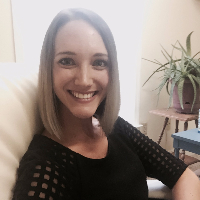






LaToshia Spearing
LPC
South Carolina - 21yrs exp

Samantha Aggeles
LPC
South Carolina - 6yrs exp







How DBT specifically treats isolation and loneliness
If you are feeling isolated or lonely, DBT offers a structured, skills-based path to reconnect with yourself and others. Dialectical Behavior Therapy teaches concrete practices that help you notice what is happening inside you, tolerate difficult emotions when connection feels out of reach, manage emotional responses that push people away, and build interpersonal skills that create healthier relationships. Those four DBT modules - mindfulness, distress tolerance, emotion regulation, and interpersonal effectiveness - work together so you can both feel calmer in the moment and practice new ways of relating over time.
Mindfulness and self-awareness
Mindfulness helps you become aware of how loneliness shows up in your body, thoughts, and behavior. When you learn to observe feelings without immediately reacting, you gain space to choose whether to withdraw or reach out. That awareness reduces automatic cycles - for example, pulling back when you crave connection - and lets you experiment with different responses that may lead to closer contact.
Distress tolerance and getting through hard moments
Distress tolerance offers tools for managing the acute pain of loneliness without making choices that increase isolation. Skills in this module help you ride out intense feelings, use grounding techniques, and accept discomfort enough to try small, manageable steps toward connection. Those moments of tolerance make it easier to test new social behaviors rather than retreating into patterns that keep you apart from others.
Emotion regulation and stabilizing moods
Loneliness often amplifies sadness, shame, or anxiety, which in turn can make social efforts feel riskier. Emotion regulation skills teach you to identify and shift emotional states so you have more consistent energy and motivation for relationship-building. As your emotional baseline stabilizes, you may find it easier to follow through on plans, tolerate uncertainty in social interactions, and maintain friendships.
Interpersonal effectiveness and building connections
The interpersonal effectiveness module is directly focused on communication and boundary-setting. You learn to ask for what you need, say no when appropriate, and negotiate closeness in ways that honor both your needs and those of others. These skills are practical - they change how you interact in daily life - and they help you create more satisfying, sustainable connections.
Finding DBT-trained help for isolation and loneliness in South Carolina
When you search for DBT help in South Carolina, look for clinicians who describe their work as DBT-informed or DBT-trained and who offer both individual and skills-focused formats. Many therapists in Charleston, Columbia, Greenville, and other communities combine one-on-one sessions with group skills training so you can practice interpersonal strategies with feedback. If you live closer to Myrtle Beach or in rural areas, you will often find therapists who offer telehealth options to make DBT more accessible.
Ask about a therapist's DBT training background during an initial consultation. Therapists may have completed intensive DBT training, participated in consultation teams, or been supervised by experienced DBT providers. It is useful to know whether a clinician integrates the standard DBT structure - individual therapy, skills training groups, and coaching - or adapts DBT elements into other therapeutic approaches. Both models can be helpful, but clarity about format helps you set expectations.
What to expect from online DBT sessions for isolation and loneliness
Online DBT can be an effective option if you cannot easily travel to offices in Charleston, Columbia, or Greenville. Expect a combination of individual therapy appointments and skills group sessions delivered over video. Individual sessions focus on your personal goals and on applying DBT skills to the situations that feed your isolation. Skills groups provide instruction and practice in mindfulness, distress tolerance, emotion regulation, and interpersonal effectiveness, often with role-play and group feedback that simulate real-world interactions.
Many DBT programs also offer coaching between sessions. Coaching is usually short-term, moment-to-moment support to help you use a DBT skill when you are feeling isolated or tempted to withdraw. This kind of assistance helps you apply what you learn in therapy to everyday moments. When using online formats, confirm how coaching is provided - by phone, text, or messaging - and what hours it is available, since availability varies by provider.
Evidence and outcomes relevant to isolation and loneliness
Research on DBT has focused primarily on improving emotion regulation and reducing self-harm, but the skills taught directly address patterns that maintain loneliness. Mindfulness increases awareness of opportunities for connection, distress tolerance helps you tolerate the discomfort of reaching out, emotion regulation stabilizes mood so you can engage socially, and interpersonal effectiveness changes communication patterns that influence relationship quality. In applied practice across South Carolina clinics and community programs, therapists report that clients often experience improved social functioning and greater ability to maintain relationships as they master DBT skills.
Local community mental health centers, private practices, and university programs in cities like Charleston and Columbia may track outcomes for DBT programs, and you can ask prospective therapists how they measure progress. Look for clinicians who set concrete social goals with you - such as making one effort each week to contact someone - and who revisit those goals regularly.
Tips for choosing the right DBT therapist for isolation and loneliness in South Carolina
Start by clarifying what you want from therapy. Do you prefer a structured program with group skills training, or are you seeking individualized coaching to practice reaching out? Be upfront about your schedule, insurance or payment preferences, and whether you need evening or weekend availability. If location matters, search for providers in metropolitan hubs like Charleston, Columbia, Greenville, and Myrtle Beach, but also consider clinicians who offer remote sessions across the state.
During an initial call, ask how the therapist applies DBT to issues of loneliness and social disconnection. Useful questions include how they incorporate the four DBT modules into treatment, whether they offer skills groups, and how they support clients between sessions. You might inquire about typical session length and how progress is tracked. Pay attention to how the therapist describes collaboration - a good fit feels like a partnership where you set meaningful, realistic goals together.
Consider practical details too. Ask whether the therapist accepts your insurance, offers a sliding scale, or provides limited pro bono slots. Some clinics in larger cities maintain waiting lists for DBT groups, while solo practitioners may have more flexible openings. If you plan to use telehealth, confirm that the clinician is licensed to practice in South Carolina and that technology details - such as video platform and coaching availability - meet your needs.
Moving forward
DBT gives you tools to understand and shift the patterns that keep you isolated. Whether you choose in-person options in Charleston or Columbia, a hybrid program in Greenville, or online sessions that reach communities across the state, the skills-focused structure of DBT can help you take practical steps toward connection. Use the listings on this page to read clinician profiles, compare approaches, and schedule consultations so you can find a therapist whose style and availability match your goals.
Making the first contact can feel difficult, but a short consultation is a practical way to learn whether a therapist's DBT approach and scheduling options fit your needs. Over time, practicing mindfulness, tolerating distress, regulating emotions, and strengthening interpersonal effectiveness can change how you relate to others and reduce the grip of loneliness on your daily life.