Find a DBT Therapist for Impulsivity in South Carolina
This page lists DBT clinicians across South Carolina who focus on helping people manage impulsivity using a structured, skills-based approach. Profiles describe training in DBT and highlight experience applying mindfulness, distress tolerance, emotion regulation, and interpersonal effectiveness skills. Browse the listings below to locate therapists serving Charleston, Columbia, Greenville, Myrtle Beach, and nearby communities.


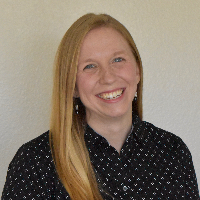


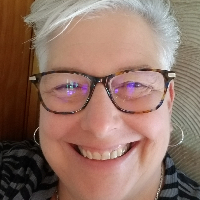


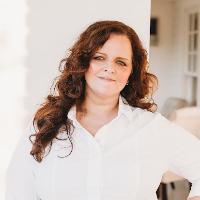
Samantha Aggeles
LPC
South Carolina - 6yrs exp
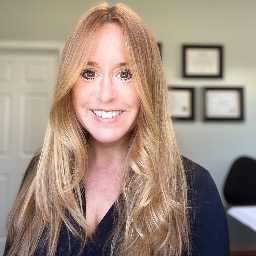
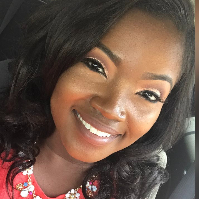


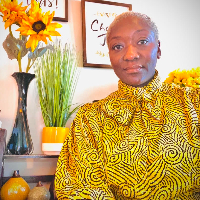
Cindy Richardson
LPC
South Carolina - 25yrs exp
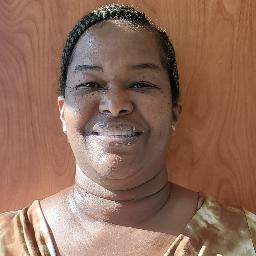
Lauryn Blanding
LPC
South Carolina - 8yrs exp

How DBT Addresses Impulsivity
If impulsivity has been affecting decisions, relationships, or daily routines, Dialectical Behavior Therapy offers a clear and practical framework that targets the behaviors behind impulsive actions. DBT is built around four skill modules that work together. Mindfulness helps you notice urges and triggers without acting on them. Distress tolerance gives you short-term strategies to ride out intense impulses without making choices you may later regret. Emotion regulation teaches how to reduce the intensity of strong feelings over time so that impulsive reactions happen less frequently. Interpersonal effectiveness improves how you ask for what you need and set boundaries, which can reduce the situations that often provoke impulsive responses.
Rather than focusing only on symptom removal, DBT helps you build capabilities that change how you respond in the moment. You learn to observe impulses, understand the functions those impulses serve, and choose alternative behaviors that align with your goals. This skills-focused method is practical and action-oriented - it is designed to be applied in real life, whether you live in a busy urban area like Charleston or in a smaller community inland.
Finding DBT-Trained Help for Impulsivity in South Carolina
When searching for a therapist in South Carolina, look for clinicians who explicitly list DBT training and describe how they integrate the four modules into treatment for impulsivity. Some therapists maintain ongoing consultation with DBT teams or supervise skills groups, which indicates active engagement with the model. Local universities, mental health centers, and community clinics in cities such as Columbia and Greenville sometimes offer DBT-informed services or can refer you to specialists. If you prefer coastal options, practitioners in the Charleston and Myrtle Beach regions may offer both in-person and remote services to accommodate different schedules.
Licensure and experience matter, but so does fit. DBT can be delivered by psychologists, licensed therapists, and social workers who have completed specific DBT training. Many therapists will note whether they provide standard DBT programs - which typically include individual therapy, weekly skills training groups, and between-session coaching - or whether they adapt DBT skills into a different format. Read clinician profiles closely to understand the model used and whether it emphasizes impulsivity and behavioral control.
What to Expect from Online DBT Sessions for Impulsivity
Online DBT makes it possible to access trained clinicians across South Carolina without extensive travel. If you choose remote sessions, expect a combination of individual therapy to set goals and address patterns, skills groups to learn and practice the four modules, and coaching that supports applying skills when urges arise. Individual sessions are usually goal-focused and collaborative - you and the therapist will work on behavior chains, identify triggers, and build a plan that breaks the sequence leading to impulsive actions.
Skills groups provide a classroom-like space where you learn mindfulness, distress tolerance, emotion regulation, and interpersonal effectiveness through instruction and practice. Group work is often where you gain confidence using tools in real time, while coaching - sometimes offered between sessions - helps you use those tools during high-risk moments. Online group dynamics can be just as effective as in-person groups when the facilitator maintains structure and offers opportunities for practice and feedback.
Evidence and Outcomes for DBT in Treating Impulsivity
The evidence base for DBT emphasizes its effectiveness in reducing behaviors tied to emotion dysregulation and impulsivity. Clinical research supports DBT's ability to help people develop better impulse control, reduce harmful acting-out behaviors, and improve emotional stability. While individual outcomes vary, many people report greater confidence in managing urges and making choices aligned with their long-term values after practicing DBT skills consistently.
In South Carolina, clinicians trained in DBT draw on these general findings while adapting strategies to the state's diverse settings - from urban clinics in Columbia to community practices in smaller towns. When evaluating evidence, consider a therapist's experience with DBT, ongoing training, and willingness to measure progress collaboratively so you can see how skills practice is affecting daily life.
Practical Considerations for Sessions
Whether you plan to attend sessions in person or online, discuss the structure of care during initial contact. Ask how individual therapy will integrate with skills training, what the frequency of sessions will be, and how coaching is handled between appointments. If you rely on insurance, inquire about coverage for DBT services and whether the clinician accepts your plan. Many therapists also offer sliding scale fees, evening appointments, or group-only options to increase accessibility.
Tips for Choosing the Right DBT Therapist in South Carolina
Choosing a therapist is a personal decision. Start by clarifying what you want to change about impulsivity and how urgent those changes feel. Look for therapists who describe a clear DBT approach to impulsivity - one that includes mindfulness practice to notice urges, distress tolerance to manage immediate risk, emotion regulation to reduce the intensity of feelings that fuel impulsive acts, and interpersonal effectiveness to handle conflict without reacting impulsively. Consider whether you prefer someone who offers a full DBT program or a clinician who integrates DBT skills into a broader therapeutic approach.
Location and availability matter too. If frequent face-to-face skills groups are important, identify practitioners near Charleston, Columbia, Greenville, or Myrtle Beach who run group programs. If flexibility is a priority, find therapists who provide telehealth options and between-session coaching. Trust your initial impressions during a consultation - rapport, clarity about goals, and a collaborative plan are strong predictors of useful work. Finally, ask about how progress will be tracked and how adjustments will be made if certain strategies are not helping.
Preparing for Your First DBT Session
Before the first appointment, think about specific situations where impulsivity has led to outcomes you want to change. Being ready to describe recent examples helps the therapist understand patterns and begin building a targeted plan. Come prepared to discuss what has worked or not worked in the past, any current supports, and practical constraints like work hours or childcare that affect scheduling. A clear starting point allows you and the clinician to choose skills to focus on right away and plan steps you can practice between sessions.
DBT offers a structured, skills-based approach that you can adapt to daily life in South Carolina. Whether you are exploring options in Charleston, scheduling virtual work with a clinician in Columbia, or joining a group in Greenville, the model emphasizes practical tools you can apply when impulses arise. Use the listings on this page to compare clinicians, reach out with questions about their DBT experience, and find a match that fits your goals and lifestyle. Taking that first step connects you with practitioners who can help you build greater control over impulsive behavior and support long-term change.