Find a DBT Therapist for Codependency in South Carolina
This page connects visitors with DBT clinicians across South Carolina who focus on treating codependency. Profiles emphasize DBT training and application of core skills - mindfulness, distress tolerance, emotion regulation, and interpersonal effectiveness. Browse the therapist listings below to compare clinicians practicing in Charleston, Columbia, Greenville, and other areas of the state.










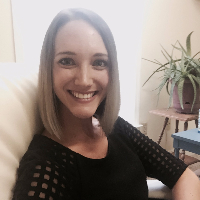







Samantha Aggeles
LPC
South Carolina - 6yrs exp






How DBT approaches codependency
If you are dealing with codependent patterns - overextending yourself to meet others' needs, having difficulty saying no, or basing self-worth on other people - a DBT-focused approach targets the skills that support change. DBT is skills-based and practical, designed to help you notice patterns, tolerate strong feelings, regulate intense emotions, and practice more effective ways of relating. Rather than focusing only on labeling behaviors, DBT gives you concrete tools to shift habitual responses and build sustainable changes in relationships.
Mindfulness and noticing patterns
Mindfulness is often the first step in DBT work for codependency because it helps you observe urges and automatic responses without immediately acting on them. You will learn to recognize cues that trigger people-pleasing or caretaking impulses - a tightening in the body, a rush to fix someone else, or a sudden fear of rejection. Mindfulness practice teaches you to pause, name what is happening internally, and create a moment of choice instead of a fast reaction. That pause can be the difference between repeating an old pattern and trying a new skill that aligns with your values.
Emotion regulation and distress tolerance
Codependent dynamics are often driven by intense emotions - anxiety about abandonment, shame over asserting needs, or agitation when expectations are not met. DBT's emotion regulation module helps you understand the function of emotions and reduces their intensity over time through skills such as opposite action and building positive experiences. Distress tolerance skills provide ways to ride out acute urges when you are tempted to act on codependent impulses, offering techniques to calm, ground, and protect yourself without escalating the situation. These modules give you tools to manage inner states so that choices about boundaries and support are less reactive and more deliberate.
Interpersonal effectiveness and boundary work
Interpersonal effectiveness is where DBT directly addresses the relationship patterns central to codependency. You will practice clear, balanced ways to ask for what you need, to decline requests that are harmful to you, and to negotiate boundaries while maintaining respect for others. These skills include assertive communication, setting limits, and de-escalation strategies that reduce guilt and resentment. Over time, practicing interpersonal effectiveness helps you replace overgiving or rescuing behaviors with healthier interactions that honor both your needs and the needs of others.
Finding DBT-trained help for codependency in South Carolina
When looking for DBT clinicians in South Carolina, you can search for therapists who explicitly list DBT training, DBT-informed practice, or experience running skills groups. Many clinicians in Charleston, Columbia, Greenville, and coastal areas like Myrtle Beach integrate standard DBT elements into individual therapy and group formats. You may find therapists who completed formal DBT training workshops, participate in DBT consultation teams, or offer manualized DBT programs adapted to codependency concerns. It is reasonable to ask potential providers about how they tailor DBT skills to address patterns of overdependence, boundary difficulties, or chronic caretaking.
If you live outside major cities, telehealth expands access to clinicians who specialize in DBT for codependency. Telehealth options can connect you with a therapist experienced in skill coaching and group-led sessions regardless of distance. When contacting providers, ask about the balance of individual therapy and skills training, whether group skills are ongoing or time-limited, and how the therapist supports practice between sessions.
What to expect from online DBT sessions for codependency
Online DBT for codependency often includes a combination of individual therapy, skills groups, and some form of coaching or between-session support. In individual sessions you and your therapist will work on identifying personal goals, doing behavioral analyses of difficult incidents, and planning skills practice that fits your life. Skills groups offer instruction and rehearsal of DBT modules - mindfulness, distress tolerance, emotion regulation, and interpersonal effectiveness - in a group setting where you can learn from others' examples while practicing new approaches.
Between-session coaching is sometimes offered in DBT programs to help you apply skills in real-time situations. In an online context this may look like brief check-ins or messaging protocols set by the therapist to support skill use when intense moments arise. Online sessions require you to create a comfortable environment at home for therapy - a quiet spot where you can focus and participate without interruption. You should expect homework assignments or skill worksheets that encourage deliberate practice, since consistent application is how lasting change develops.
Evidence and clinical experience
DBT is widely recognized for its effectiveness in addressing emotion dysregulation and relational difficulties, and many clinicians have adapted its modules to treat problems that overlap with codependency. While formal research specifically labeled "codependency" is smaller than research on other conditions, evidence for DBT's core skills supports its applicability - improving emotion regulation, reducing impulsive responses, and strengthening interpersonal functioning. In South Carolina, mental health providers in both urban and suburban settings have incorporated DBT-informed groups and individual treatment to address persistent relational patterns, drawing on published DBT protocols and adaptations informed by clinical practice.
When evaluating outcomes, consider that change with DBT often comes from repeated practice - learning a skill, trying it in a real relationship, reviewing what worked or did not work, and refining the approach. This iterative process is why many DBT programs combine group teaching with individual problem-solving and ongoing coaching.
Choosing the right DBT therapist for codependency in South Carolina
Choosing a therapist is a personal decision and it helps to be prepared when you reach out. Ask about the clinician's DBT training and their experience adapting DBT for codependency or related relational issues. Find out whether they offer structured skills groups and how those groups are run, whether the therapist provides coaching between sessions, and what typical session frequency looks like. Discuss practical concerns such as insurance, sliding scale options, and whether they offer in-person visits in Charleston or Columbia or primarily telehealth for clients across Greenville and other parts of the state.
Also consider fit beyond credentials - how comfortable you feel with the therapist's communication style, whether their approach respects your cultural background and identity, and their experience working with similar life situations. If you are seeking therapy as part of a couple or family, ask whether the clinician includes family sessions and how those are integrated with individual DBT work. Finally, look for a clinician who explains goals and milestones in a concrete way so you can measure progress toward healthier boundaries and more balanced relationships.
Next steps
If you are ready to explore DBT for codependency, begin by reviewing clinician profiles and reaching out to a few therapists who describe DBT-focused work. Prepare a short description of the patterns you want to change and questions about the structure of treatment so initial conversations are productive. Whether you connect with a local clinician in Charleston, join a skills group based in Columbia, or work virtually with a specialist whose schedule suits you, DBT offers a skills-oriented path to reducing reactive patterns and building steadier, more authentic relationships.
Use the listings above to compare training, service formats, and locations. Reaching out for a consultation is often the best way to learn whether a therapist's DBT approach aligns with your goals and whether their style feels like a good fit for the kind of relational changes you want to make.