Find a DBT Therapist for Impulsivity in Oregon
This page connects you with DBT clinicians across Oregon who focus on impulsivity. Explore profiles below to find therapists who use the DBT skills modules - mindfulness, distress tolerance, emotion regulation, and interpersonal effectiveness - to help manage impulsive patterns.




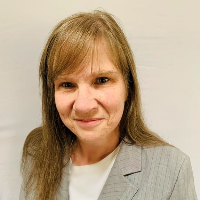

Mary-Catherine Nimphius
LPC
Oregon - 10yrs exp










How DBT approaches impulsivity
When impulsive actions cause problems in relationships, work, or daily life, you need a treatment model that targets both urges and the emotions behind them. Dialectical Behavior Therapy is skills-based, which means the work centers on learning and practicing new ways of responding rather than only talking about the past. In DBT you learn skills that help you notice impulses, tolerate strong emotions without acting on them, change emotional responses over time, and communicate more effectively with others. Taken together, these skills give you tools to interrupt automatic behaviors and replace them with strategies that reflect your long-term goals.
Mindfulness - noticing urges without acting
Mindfulness skills help you become aware of impulses as they arise. You learn to observe sensations, thoughts, and urges without judgment, and to describe what is happening in the moment. That pause - even if brief - creates space for a different choice. In practice you will be guided to track the bodily signs of an urge, label the emotion involved, and practice breathing or grounding techniques that reduce immediate reactivity. Over time, mindfulness increases your ability to step out of automatic patterns and choose responses that align with your values.
Distress tolerance - getting through crises
Distress tolerance teaches you strategies to survive short-term emotional crises without making things worse. These are practical, often simple skills that you can use when an urge feels overwhelming. The focus is not on changing the emotion in the moment but on tolerating it until it passes. For impulsivity this is especially useful because many impulsive acts happen during intense emotional spikes. Learning grounding exercises, distraction techniques, and quick self-soothing routines can reduce the need to act on impulses and keep you safe while you regroup.
Emotion regulation - changing long-term patterns
Emotion regulation skills help you understand the function of emotions and reduce vulnerability to intense states that trigger impulsive behavior. You will work on identifying emotions, reducing emotional sensitivity over time, and building habits that support stability, like sleep, nutrition, and routine. As you build these skills you often notice fewer high-intensity emotional episodes and a greater capacity to respond rather than react. This module connects closely with the mindfulness and distress tolerance work, providing a foundation for sustainable change.
Interpersonal effectiveness - managing relationships and urges
Interpersonal effectiveness focuses on communicating your needs, setting boundaries, and achieving goals in relationships without resorting to impulsive actions that may harm those connections. If impulsivity shows up in arguments, risky decisions, or relationship-driven crises, these skills teach you how to assert yourself and negotiate conflicts while preserving self-respect. You learn to weigh short-term urges against long-term relationship goals and practice strategies that help you get what you want from interactions without impulsive shortcuts.
Finding DBT-trained help for impulsivity in Oregon
When you look for DBT help in Oregon, consider both specialized DBT programs and clinicians who integrate DBT skills into their work. Urban centers like Portland and Eugene often have clinics with formal DBT teams and skills groups, while smaller communities and suburbs sometimes offer individual DBT-informed therapy or online groups. Start by searching provider profiles for explicit DBT training, mention of skills training groups, and experience working with impulsive behaviors. You can also check whether a clinician offers an initial consultation - that conversation is often the best way to learn how they apply DBT to your specific needs.
Licensing and experience matter, but so does fit. You should feel comfortable asking a therapist how they teach the four DBT modules and how they help clients practice skills between sessions. If you prefer local in-person care, look for clinicians near Salem, Bend, or Medford. If your schedule or location makes in-person groups difficult, many Oregon clinicians offer online options that still include structured skills training.
What to expect from online DBT sessions for impulsivity
Online DBT typically includes three core elements: individual therapy, skills group training, and coaching between sessions. In individual sessions you and your therapist focus on personal targets - the specific impulsive behaviors you want to change, the events that trigger them, and strategies for skills generalization. The therapist helps you apply DBT targets in a personalized plan and practices problem-solving with you in-session.
Skills groups provide structured instruction in mindfulness, distress tolerance, emotion regulation, and interpersonal effectiveness. These groups are interactive - you learn concepts, practice exercises, and discuss real-world applications. Even when groups are delivered online, you can expect a curriculum, homework to practice skills, and opportunities to role-play or share responses to challenges. Many people find that group participation reinforces learning and provides accountability.
Coaching between sessions is a distinctive feature of DBT. This usually takes the form of brief calls or messages to help you use skills in real time when urges arise. For online DBT you will want to clarify how your therapist manages coaching - how to reach them, response expectations, and alternatives if you need immediate support. Clear boundaries and mutual agreement about coaching help it be a helpful tool without becoming a substitute for crisis services.
Evidence and local practice in Oregon
DBT has a strong research foundation for reducing behaviors linked to impulsivity, and clinicians across Oregon draw on that evidence when treating clients. Research suggests that skills training and the integrated DBT structure reduce impulsive actions and help people build long-term coping strategies. In clinical practice this often translates into measurable reductions in risky behaviors, improved emotion management, and better relationship outcomes. Local mental health centers and private practices in cities like Portland and Eugene commonly incorporate DBT skills modules into both outpatient care and specialized programs, making this approach accessible in many parts of the state.
If you value research-backed approaches, ask potential therapists how they measure progress and whether they use skills practice logs or behavior tracking. Practitioners who align their work with evidence-based methods are often transparent about outcomes and willing to adapt treatment plans based on what is and is not helping you.
Tips for choosing the right DBT therapist in Oregon
First, seek clinicians who clearly describe DBT training and experience with impulsivity. You can ask about their experience teaching the four skills modules and working with people who have similar goals. Next, consider format and logistics - do you prefer in-person sessions in Portland or Salem, or do you need online availability that works evenings or weekends? Skills groups are a major component of DBT, so find out if the clinician runs groups and how often they meet. Also ask about between-session coaching and how that is managed, because real-world support makes skill use more consistent.
Compatibility matters. During an initial session pay attention to whether the therapist explains DBT in plain language, offers concrete practice suggestions, and helps you set achievable targets. Practical factors like insurance acceptance, sliding scale options, and wait times are important, but they should be balanced with how confident you feel in the therapist's approach. If you live outside major centers like Portland, you may find therapists offering hybrid models - a mix of online skills groups and occasional in-person work - which can provide both access and continuity.
Finally, expect the first months of DBT to feel like training - learning new skills takes repetition and real-life practice. You should see therapists who set measurable goals with you and adjust strategies when something is not working. With the right fit and a commitment to practicing skills, DBT can give you a structured pathway to reduce impulsive behavior and build alternatives that reflect your long-term priorities.
As you review profiles on this page, use these guidelines to narrow your options and reach out for initial conversations. Finding a therapist who teaches DBT skills clearly and matches your practical needs can be the first step toward greater control over impulsivity and better daily functioning in Oregon life.