Find a DBT Therapist for Body Image in Oregon
This page connects you with Oregon clinicians who use Dialectical Behavior Therapy to address body image concerns. Explore therapists across the state who emphasize DBT skills training for mindful awareness, distress tolerance, emotion regulation and interpersonal effectiveness.
Browse the listings below to find a DBT clinician whose approach and availability match your needs.




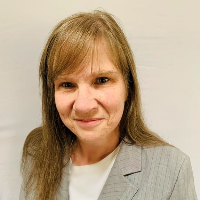

Mary-Catherine Nimphius
LPC
Oregon - 10yrs exp










How DBT approaches body image concerns
Dialectical Behavior Therapy is a skills-based approach that helps you change the relationship you have with thoughts, feelings and behaviors tied to body image. Rather than focusing only on what you think about your body, DBT teaches you practical skills to notice and respond differently when you experience shame, perfectionism, comparison, or urges to engage in checking and avoidance. The work centers on building mindful awareness of body-related thoughts, tolerating distressing urges without acting on them, regulating intense emotions that can escalate body-focused behaviors, and navigating relationships that affect how you see yourself.
Mindfulness: noticing patterns without judgment
Mindfulness is often the first set of skills people learn in DBT for body image. You will practice observing body sensations, images, and self-talk as events in the mind rather than facts that must be obeyed. This shift can reduce impulsive reactions such as constant checking or self-criticism. Mindful practices in DBT are taught in concrete, doable steps so you can bring them into daily moments when body image thoughts arise - for example, during dressing, social situations, or after seeing images online.
Distress tolerance: getting through intense moments
Distress tolerance skills help you survive and make safer choices when you feel overwhelmed by body-related distress. These skills offer techniques to ride out acute urges or crisis moments without making choices that increase shame or regret. You will learn grounding strategies, paced breathing, and short-term coping methods that are practical in public settings and can help you maintain functioning until stronger regulation skills are available.
Emotion regulation: changing how intense feelings land in your body
Emotion regulation addresses the intensity and frequency of painful feelings that often fuel negative body image. In DBT you will work on identifying emotions, understanding triggers, and applying strategies to reduce emotional vulnerability over time. That can include behavioral changes like improving sleep and activity levels, reframing thought patterns that intensify self-criticism, and practicing skills that lessen the hold of shame and sadness.
Interpersonal effectiveness: reshaping social influences
Your relationships and the messages you receive from others play a large role in body image. Interpersonal effectiveness skills help you set boundaries, ask for what you need, and manage critiques or comments that undermine your self-image. Whether you are navigating family expectations, social media interactions, or workplace dynamics, these DBT skills support clearer communication and reduce relational stress that can worsen body-related concerns.
Finding DBT-trained help for body image in Oregon
When you search for a DBT therapist in Oregon, look for clinicians who explicitly describe DBT skills work for body image or related challenges. Many therapists integrate DBT with other approaches to tailor care to your goals, but you will benefit from providers who can point to specific DBT modules and how they apply to body image. Clinics in Portland often offer both individual therapy and skills groups, while smaller communities such as Salem, Eugene, Bend and Medford may provide clinicians who run local DBT groups or telehealth options to connect you with a broader network.
Ask potential providers about their training in DBT, whether they run or refer to DBT skills groups, and how they tailor DBT strategies to body image concerns rather than limiting treatment to general emotional dysregulation. A clinician who can describe how mindfulness, distress tolerance, emotion regulation and interpersonal effectiveness will be used in your care is more likely to offer consistent, skills-focused work.
What to expect from online DBT sessions for body image
Online DBT sessions make it possible to access specialized care across Oregon, including rural areas. In a typical online DBT program for body image you will start with an assessment to identify problematic patterns and set treatment goals. Individual therapy sessions focus on applying DBT to your personal situation - reviewing homework, doing chain analysis when a body-related episode occurred, and practicing targeted skills. Many DBT programs also include skills training groups where you learn the four modules in a structured format with opportunities to role play and practice in a group setting.
Telephone or messaging coaching between sessions is a common DBT feature that helps you use skills in real time when urges or intense feelings arise. Online group work can vary in length and intensity; some groups meet weekly and run for several months while others use a rolling admission model. You should expect collaborative work that asks you to commit to learning and practicing skills; clinicians will typically offer guidance on how to adapt exercises to the online format so you can practice safely at home or in a comfortable environment.
Evidence and outcomes for DBT and body image
Researchers and clinicians have adapted DBT for conditions that frequently co-occur with body image distress, and studies suggest that DBT skills training can reduce harmful behaviors and emotional reactivity associated with body dissatisfaction. While research continues to expand, many people report improvements in impulse control, reduced bingeing or purging behaviors when present, and greater ability to tolerate uncomfortable body-related feelings. In Oregon you will find providers who use evidence-informed adaptations of DBT that integrate skills training with attention to eating behavior, trauma history, identity factors and body-focused experiences.
When evaluating outcomes, consider that DBT emphasizes skill acquisition and gradual change rather than quick fixes. Progress often looks like increased moments of choice in how you respond to body image triggers, better communication in relationships that affect your self-image, and a growing ability to notice and step back from critical thoughts.
Tips for choosing the right DBT therapist in Oregon
Start by clarifying what you want from therapy - symptom reduction, improved daily functioning, or better relationships around body issues. Ask providers how they apply DBT skills specifically to body image and whether they offer both individual and group formats. Inquire about experience with populations similar to yours, for example younger adults, older adults, LGBTQ+ clients, or those with a history of trauma. Practical questions about scheduling, fees, insurance, sliding scale availability, and whether they provide coaching between sessions will help you determine fit.
Consider the logistics as well. If you live near Portland you may have access to a wider range of specialized DBT programs and groups. In smaller cities like Salem, Eugene, Bend and Medford clinicians may offer telehealth to expand options. A good match also includes feeling heard in the first session and having clear, collaborative goals. Trust your sense of whether the therapist explains DBT skills in ways that make sense to you and whether they offer a plan for integrating those skills into daily life.
Finally, remember that finding the right provider can take time. It is acceptable to interview a few therapists, ask about trial sessions, or request a referral to a DBT skills group if individual availability is limited. Your aim is to find a clinician who helps you apply the four DBT modules to body image challenges in a way that feels practical and respectful of your experience.
DBT offers a structured, skills-focused pathway to change how you live with body image concerns. By focusing on mindfulness, distress tolerance, emotion regulation and interpersonal effectiveness, DBT helps you build tools that reduce reactivity and increase choice. Whether you pursue in-person care in a city like Portland or online sessions from elsewhere in Oregon, the right DBT-trained clinician can help you translate skills into everyday improvements.