Find a DBT Therapist for Mood Disorders in Oklahoma
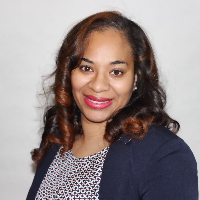
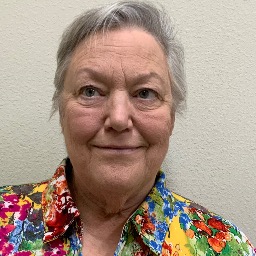
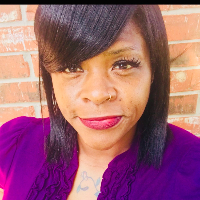
This directory page features DBT-focused therapists across Oklahoma who work with mood disorders using dialectical behavior therapy. Explore practitioner profiles below to compare training, service options, and availability in cities like Oklahoma City, Tulsa, and Norman.





















How DBT addresses mood disorders
If you are living with a mood disorder, DBT offers a skills-based approach that helps you manage intense emotions and build more effective ways of coping. Unlike therapy models that focus mainly on insight, DBT teaches concrete skills across four modules - mindfulness, distress tolerance, emotion regulation, and interpersonal effectiveness - so you can apply them day to day. Mindfulness helps you notice what is happening in the present moment without getting swept away. Distress tolerance gives you tools to get through crisis situations without making choices you may later regret. Emotion regulation teaches practical steps to reduce the intensity and frequency of overwhelming emotional states. Interpersonal effectiveness helps you get your needs met and maintain relationships while preserving self-respect.
When DBT is adapted for mood disorders, the emphasis is often on stabilizing mood swings, decreasing impulsive or reactive behaviors, and increasing your capacity to tolerate emotional pain. Therapists integrate skills training with individual therapy to tailor the program to your goals, helping you practice strategies in everyday life and notice what works for you.
Finding DBT-trained help for mood disorders in Oklahoma
Searching for a therapist who is trained in DBT can feel overwhelming, but focusing on a few key details makes it easier. Look for clinicians who describe formal DBT training or ongoing involvement in a DBT consultation team, and check whether they offer both individual therapy and skills groups. In Oklahoma, you can find DBT practitioners in urban centers such as Oklahoma City, Tulsa, Norman, and Broken Arrow, as well as clinicians who serve suburban and rural communities through telehealth.
When reviewing profiles, pay attention to the therapist's experience with mood disorders specifically, how they structure DBT services, and whether they work collaboratively with other providers you may see. Some clinicians offer full-standard DBT programs while others provide DBT-informed care that blends skills training into other therapeutic approaches. Either format can be helpful depending on your needs, so consider how intensive a program you want and how it fits your schedule and life responsibilities.
What to expect from online DBT for mood disorders
Initial assessment and treatment planning
Your first online session will often focus on assessment and priorities. The clinician will ask about your mood symptoms, triggers, coping strategies, and life circumstances to gauge how DBT can help. You will work together to set measurable goals and agree on what a successful course of therapy looks like for you. Many therapists will describe a recommended structure - combining weekly individual sessions with skills group meetings and between-session coaching - and you can discuss how that fits your availability and preferences.
Individual therapy and skills groups
In individual online DBT sessions, you and your therapist apply DBT principles to the problems you face that week. The focus is on helping you use skills to solve current problems, reduce harmful behaviors, and build a life worth living. Skills groups, which often meet virtually for a set curriculum, provide instruction and practice in the four DBT modules. Participating in both individual sessions and a skills group gives you the opportunity to learn strategies in a classroom-style setting and then practice them with therapist support.
Coaching between sessions
Many DBT programs include some form of between-session coaching to help you apply skills in real time. For online DBT this may be scheduled brief check-ins or agreed-upon messaging windows to get coaching when you are in a crisis or need guidance on skill use. You should discuss boundaries and communication methods with your therapist so you know how to reach out and what to expect between appointments.
Technology, privacy, and practicalities
Online DBT makes it possible to work with clinicians based in Oklahoma City, Tulsa, or other regions without the travel time of in-person visits. You will want to arrange a quiet, comfortable environment for sessions and confirm that the therapist uses a platform that protects your personal information. Ask about session length, what to do if you miss a group, and whether materials such as worksheets are provided electronically so you can practice skills between meetings.
Evidence and local relevance
Research on DBT originally focused on borderline personality disorder and behaviors such as self-harm, but clinicians and researchers have adapted DBT to address mood-related challenges because its focus on emotion regulation and distress tolerance maps closely onto mood symptoms. Clinical studies and outcome reports indicate that DBT helps people develop reliable coping skills and improves emotion regulation across a range of presentations. In community settings throughout Oklahoma, practitioners have applied DBT principles to help people manage depression, bipolar spectrum mood instability, and mood reactivity tied to stressful life circumstances.
Local adoption of DBT in Oklahoma tends to follow national trends, with programs offered in outpatient clinics, community mental health centers, university training clinics, and private practices. Whether you live in a city or a smaller town, you can look for programs that track outcomes and describe how they adapt DBT for mood-related concerns. Asking a clinician about the kinds of results they and their clients typically see can give you a realistic sense of what to expect.
Tips for choosing the right DBT therapist in Oklahoma
First, consider training and format. Ask whether the therapist has formal DBT training or identifies as DBT-informed, and whether they offer a combination of individual therapy, skills groups, and between-session coaching. If you prefer a structured program, look for clinicians who run multi-component DBT rather than single-session skills coaching.
Second, think about experience with mood disorders. While DBT skills are broadly applicable, clinicians who routinely treat mood disorders will have a clearer sense of how to adapt modules such as emotion regulation to mood patterns you might experience. In larger centers like Oklahoma City and Tulsa you may find a wider range of specialists, while smaller communities may rely more on telehealth connections to access experienced DBT providers.
Third, evaluate fit and accessibility. You should feel able to talk openly and collaborate on goals. Practical considerations - insurance participation, sliding scale options, session frequency, and whether the clinician offers evening or weekend groups - also matter. If you need telehealth, confirm that the therapist routinely provides online DBT and can support group participation remotely.
Finally, ask about how progress is tracked. Good DBT programs describe goals, review skill use, and adjust plans based on what is and is not helping. You can ask prospective therapists how they measure progress and how often they revisit the treatment plan, which helps you stay informed about your own trajectory.
Next steps
Start by browsing the practitioner profiles on this page to compare approaches, availability, and training. If you live near Oklahoma City, Tulsa, Norman, or Broken Arrow you can weigh the option of in-person sessions against online programs that expand your choices. When you contact a clinician, have a few questions ready about their DBT training, the format of their program, and how they tailor skills work to mood disorders. Taking those steps will help you find a DBT therapist in Oklahoma who fits your needs and supports your progress toward more stable, manageable moods.