Find a DBT Therapist for Social Anxiety and Phobia in North Carolina
This page helps you find DBT clinicians in North Carolina who focus on social anxiety and phobia. Explore practitioners who use dialectical behavior therapy and browse listings to find a good fit in your area.



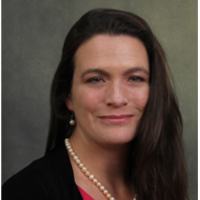
Sarah Roe
LCSW
North Carolina - 34yrs exp
















How DBT specifically approaches social anxiety and phobia
If you experience social anxiety or specific phobias, DBT offers a skills-based framework that targets the emotional and behavioral patterns that keep avoidance and worry in place. Rather than relying on labels, DBT teaches concrete skills you can practice to notice anxious thoughts, manage intense feelings, tolerate distress during exposure exercises, and improve the way you interact with others. Treatment often blends skill practice with behavioral experiments - you will learn techniques in session and apply them in real-world social situations so progress becomes measurable and practical.
DBT skills you'll use
The four DBT modules - mindfulness, distress tolerance, emotion regulation, and interpersonal effectiveness - each play a visible role when treatment focuses on social anxiety and phobia. Mindfulness helps you observe the physical sensations and thoughts that arise before, during, and after social interactions without immediately reacting. Distress tolerance gives you strategies to get through moments of intense fear during exposures or when anxiety spikes in a group setting. Emotion regulation helps you reduce the intensity and duration of anxious states so you can approach social situations with greater balance. Interpersonal effectiveness teaches you how to assert yourself, set boundaries, ask for support, and handle criticism or awkward moments - skills that directly reduce the social challenges that fuel anxiety.
Finding DBT-trained help for social anxiety and phobia in North Carolina
When seeking DBT care in North Carolina, start by identifying clinicians who list DBT training and experience working with anxiety-related concerns. You can look for providers in larger urban centers like Charlotte, Raleigh, and Durham, where multi-disciplinary clinics and university-affiliated programs often offer DBT-informed services. Smaller cities such as Greensboro and Asheville also have therapists who adapt DBT skills to social anxiety, sometimes within community clinics, private practices, or group psychotherapy settings. Pay attention to the format the clinician offers - some provide a full DBT program with individual therapy and skills groups, while others integrate DBT techniques into standard cognitive-behavioral work focused on anxiety.
What to expect from online DBT sessions for social anxiety and phobia
Online DBT has become a practical option if you live outside major cities or need flexible scheduling. You can typically expect a combination of individual therapy sessions, skills groups delivered via video, and phone or messaging coaching for in-the-moment support. In individual sessions you will work with a therapist to apply DBT strategies to your personal triggers and develop a plan for gradual exposures to feared social situations. Skills groups provide a chance to learn and rehearse mindfulness, emotion regulation, distress tolerance, and interpersonal effectiveness in a guided setting. Coaching between sessions helps you apply skills when anxiety peaks - for example, before a public presentation or while navigating a tense conversation.
Online work still emphasizes structure. Sessions often follow a predictable agenda that includes reviewing homework, addressing skill use in recent social encounters, and planning graded exposures. A therapist might ask you to record what happens during real-life practice so you can analyze patterns and refine your approach. If you prefer in-person work, clinics in Charlotte and Raleigh usually offer group and individual options; if you choose telehealth, check that the therapist can support experiential exercises and group dynamics effectively via video.
Evidence and clinical use of DBT for social anxiety and phobia
DBT was originally developed for emotion regulation difficulties, but clinicians have adapted its skills to treat anxiety-driven avoidance and interpersonal challenges. Research and clinical reports indicate that DBT skills can reduce the intensity of anxious reactions, improve emotional stability during exposure tasks, and strengthen social coping strategies. In North Carolina, providers in academic centers and private practices have applied DBT techniques to social anxiety with encouraging outcomes, particularly when treatment includes structured skill learning and guided practice. It is important to remember that results vary by individual and are influenced by therapist experience, the consistency of practice, and how well skills are integrated with exposure-based methods.
Choosing the right DBT therapist for social anxiety and phobia in North Carolina
Finding the right clinician is partly about credentials and partly about fit. Ask whether the therapist has formal DBT training or significant experience adapting DBT skills for anxiety and phobia. Inquire about their approach to exposures, because combining skill practice with graduated exposure exercises is essential for reducing avoidance. If group skills training is important to you, ask whether the therapist runs ongoing DBT skills groups or partners with a program that does. Consider practical details such as whether they offer telehealth or in-person sessions in your area, typical session length, fees, and whether they provide coaching between sessions.
Also consider how the therapist matches your needs in terms of cultural competence and life experience. If you live in or near Charlotte, Raleigh, or Durham you may have access to larger clinics with multidisciplinary teams; if you are in a smaller community you might prioritize a therapist who offers flexible online hours or integrates DBT skills into shorter-term programs. An introductory consultation can give you a sense of rapport and whether their style encourages collaboration and measurable progress. You might ask about outcome measures they use, how they structure skills practice, and examples of how they have helped others with social anxiety adapt DBT to social exposures.
Questions to ask before you start
When you contact a clinician, ask about their experience treating social anxiety and phobia with DBT skills, whether they offer skills groups or individual-only work, and how they support in-the-moment coaching. Clarify logistical matters like session frequency and whether they use homework or real-world practice assignments. If you are considering insurance, ask whether the therapist accepts your plan or offers a sliding-scale fee. These practical questions help you identify a provider whose training, availability, and approach align with your needs.
Making the most of DBT treatment in North Carolina
DBT is a skills-driven approach, so your own practice between sessions matters. Commit to doing homework assignments and structured exposures, and try to apply mindfulness exercises to notice how anxiety rises and falls in social contexts. Use distress tolerance tools when anxiety spikes so you can remain engaged long enough to practice new behaviors. Work with your therapist to set realistic, measurable goals - whether that is attending a small social gathering in Raleigh, speaking up in a workplace meeting in Charlotte, or approaching a specific fear in a controlled setting. Over time, consistent practice typically leads to more flexible responses and fewer automatic avoidant reactions.
Whether you prefer in-person services near a city like Durham or remote sessions that fit a busy schedule, DBT-informed care offers a practical toolkit for addressing social anxiety and phobia. Use the listings above to compare clinicians, read profiles to learn about their DBT focus, and reach out for a consult to see who feels like the best match for your goals.