Find a DBT Therapist for Impulsivity in North Carolina
This page lists DBT-trained therapists across North Carolina who focus on treating impulsivity through a structured, skills-based approach. Browse the profiles below to compare clinicians, therapy formats, and availability to find DBT support that meets your needs.

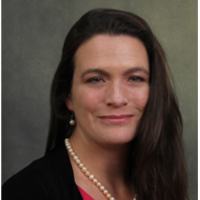
Sarah Roe
LCSW
North Carolina - 34yrs exp













How DBT specifically addresses impulsivity
If impulsive actions are causing problems in your life - such as risky choices, sudden angry outbursts, or difficulties staying on track - Dialectical Behavior Therapy or DBT offers a clear, skills-focused path to change. DBT treats impulsivity not as a character flaw but as a set of behaviors that respond to learning and practice. The approach combines acceptance strategies with active skills training so you learn to notice what drives impulsive responses and to replace them with more effective options.
The four DBT modules and impulsivity
DBT organizes learning around four skill modules - mindfulness, distress tolerance, emotion regulation, and interpersonal effectiveness - and each one targets a piece of impulsivity. Mindfulness helps you observe urges and thoughts without acting on them, which creates a gap between feeling and action. Distress tolerance gives you tools to get through high-intensity moments without making choices you'll regret. Emotion regulation helps you understand which emotions trigger impulsive behavior and how to reduce their intensity over time. Interpersonal effectiveness provides strategies for getting needs met and handling conflict in ways that decrease impulsive reactions. Practicing these modules together builds the ability to pause, evaluate, and choose responses that align with your goals.
Finding DBT-trained help for impulsivity in North Carolina
When looking for DBT help in North Carolina, start by searching for clinicians who list DBT training, verified consultation experience, or certification in their profiles. Many therapists in urban centers like Charlotte, Raleigh, and Durham have had more opportunities for intensive DBT training and ongoing consultation teams, but skilled clinicians are available throughout the state, including Greensboro and Asheville. You can narrow your search by therapy format - for example, some therapists focus on individual DBT while others offer standard DBT that combines individual therapy, weekly skills groups, and coaching. Consider whether you prefer in-person sessions near your community or the flexibility of online appointments.
What to expect from online DBT sessions for impulsivity
Online DBT in North Carolina often mirrors the traditional structure used in clinics. You can expect individual therapy sessions focused on applying DBT to your specific impulsivity patterns, combined with group skills training where you learn and practice the four modules with peers. Many programs also offer phone or messaging coaching - short, skills-focused contacts that help you use DBT techniques in real time when urges or crises arise. Sessions typically begin with an assessment of your goals and a commitment to a skills-based plan. Over weeks and months you will track target behaviors, learn skills in-session, and practice them between sessions so changes generalize to daily life.
Individual therapy, skills groups, and coaching
In individual DBT you and your therapist will identify the impulsive behaviors you want to change and prioritize them in a treatment plan. Skills groups provide structured lessons on mindfulness, distress tolerance, emotion regulation, and interpersonal effectiveness and give you a chance to practice in a supportive setting. Coaching is available as-needed to help you apply a skill when you feel strong urges. Together these elements offer a practical learning environment that balances ongoing feedback with real-world practice.
Evidence and clinical practice in North Carolina
Research on DBT and related skills training shows improvements in impulse-control behaviors across diverse populations, and clinicians in North Carolina increasingly integrate these evidence-informed techniques into practice. Academic programs and community clinics in larger cities such as Raleigh and Charlotte often train clinicians in DBT principles, and many therapists maintain ongoing consultation to preserve treatment fidelity. When you choose a DBT-focused clinician in North Carolina, you are likely to encounter an approach grounded in repeated skills practice, measurement of progress, and a focus on reducing harmful impulses while increasing quality of life.
Tips for choosing the right DBT therapist in North Carolina
Choosing the right therapist means matching their training and approach to what you need. Ask potential providers about their DBT training and whether they participate in a consultation team - ongoing peer review is a hallmark of traditional DBT. Inquire how they apply the four skill modules to impulsivity and whether they offer the combination of individual therapy, skills groups, and coaching. Consider practical details too - whether the therapist offers telehealth if you live outside a major city, their experience working with your age group or identity, and how they measure progress. If you live in or near Charlotte, Raleigh, Durham, Greensboro, or Asheville, you may have more in-person group options, while remote work can broaden your choices across the state.
Questions to ask in an initial contact
When you reach out, ask how the clinician defines impulsivity in treatment, what typical goals look like, and how long a course of DBT tends to last for people with similar challenges. You can also ask about session length, group schedules, whether coaching is included, and how they tailor skills practice to your daily routines. Good providers welcome questions and will describe a clear plan for skills practice and progress tracking.
Practical considerations - cost, insurance, and logistics
Costs and insurance coverage vary across providers and settings in North Carolina. Some therapists accept major insurers while others offer sliding scale fees. If you are relying on insurance, ask whether the clinician uses DBT codes or how they document sessions. For people balancing work, school, or caregiving, online DBT can reduce travel time and increase scheduling flexibility. Consider proximity to your home or work if you prefer in-person groups, since consistent attendance in skills training supports better outcomes.
Making DBT part of daily life
DBT is not just something you do in sessions - it is a set of practical skills to use throughout your day. You will be encouraged to practice short mindfulness exercises, plan for stressful situations using distress tolerance techniques, and rehearse new ways of reacting to emotional triggers. Over time, these small changes can alter the habitual chains that lead to impulsive actions. In North Carolina communities from Asheville to Raleigh, people report that learning and practicing DBT skills helps them feel more in control of choices and more aligned with long-term goals.
Next steps
If impulsivity is affecting your relationships, work, or wellbeing, searching for a DBT-trained therapist on this page is a strong next step. Use the listings to compare clinicians by training, format, and location. Reach out with questions about how they apply DBT skills to impulsivity, and consider starting with an initial consultation to see if their style and structure fit your needs. With the right DBT support, you can build the practical skills needed to respond differently to urges and make decisions that reflect your values.