Find a DBT Therapist for Gambling in North Carolina
This page lists therapists across North Carolina who use Dialectical Behavior Therapy to address gambling-related concerns. Explore clinician profiles trained in DBT skills like mindfulness, distress tolerance, emotion regulation, and interpersonal effectiveness and browse listings below to find a match.
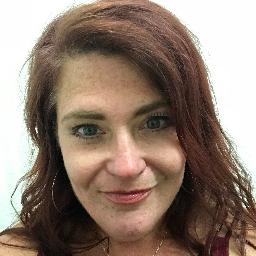
Sarah Roe
LCSW
North Carolina - 34yrs exp











How DBT approaches gambling-related difficulties
If gambling has become a frequent source of stress, financial strain, or relationship conflict, DBT offers a structured, skills-based pathway to change the patterns that keep the behavior going. DBT blends acceptance strategies and behavioral change techniques so you can reduce impulsive decisions while learning to respond to urges differently. Rather than focusing only on stopping gambling, the approach helps you build a broader toolkit for managing urges, intense emotions, and high-risk situations.
Mindfulness
Mindfulness skills help you notice urges and the thoughts and bodily sensations that accompany them without immediately acting. In sessions you learn simple practices to increase awareness in the moment. That awareness gives you option - to pause, observe an urge, and choose a different action. Mindfulness also supports longer-term shifts in how you relate to cravings, making it easier to test alternatives and track patterns that trigger gambling episodes.
Distress tolerance
Distress tolerance techniques are designed for moments when emotions feel overwhelming and the impulse to gamble is strongest. These skills emphasize surviving a crisis without making the situation worse, using fast-acting strategies to reduce intensity and prevent impulsive spending. You will practice concrete tools - grounding strategies, distraction methods, and short-term coping plans - so you have reliable responses when stress threatens to lead back to gambling.
Emotion regulation
Emotion regulation work focuses on understanding and changing patterns in mood and affect that drive risky behavior. You learn to identify emotions, reduce vulnerability to intense mood swings, and build upward momentum through behavioral changes that support stable functioning. For many people struggling with gambling, improved emotion regulation reduces the need to use betting as a way to cope, celebrate, or escape, and creates space to pursue alternative activities that feel rewarding without the same harms.
Interpersonal effectiveness
Interpersonal effectiveness addresses the relationship and communication patterns that can fuel gambling - whether that means managing financial conflicts, asking for help, or setting boundaries with friends and family. DBT helps you express needs assertively, negotiate solutions, and maintain relationships while pursuing change. Strengthening these skills can reduce isolation and the secrecy that often surrounds gambling problems.
Finding DBT-trained help for gambling in North Carolina
When searching in North Carolina, you can look for clinicians who explicitly list DBT training and experience working with behavioral addictions or impulse-control concerns. Many therapists describe whether they offer individual DBT, DBT skills groups, or a combination. In larger cities like Charlotte, Raleigh, and Durham, there is often greater availability of clinicians running formal DBT programs and weekly skills groups. Smaller communities and suburban areas may have therapists who offer DBT-informed care or who can connect you with regional groups or telehealth options.
It is useful to consider logistics as you search. Some clinicians run standard DBT programs that include weekly individual therapy plus skills group and phone coaching, while others adapt DBT skills as part of a more individualized treatment plan. Pay attention to whether a therapist offers ongoing skills groups - these groups are a core part of DBT and provide repeated practice of mindfulness, distress tolerance, emotion regulation, and interpersonal effectiveness in a group setting.
What to expect from online DBT sessions for gambling
Online DBT typically includes three elements - individual therapy, skills groups, and between-session coaching - although programs vary. In individual sessions you and your therapist will structure treatment around your values and targets, identify patterns that maintain gambling, set measurable goals, and practice applying skills to real-life situations. Individual work often focuses on problem-solving, chain analysis to trace the sequence of events leading to gambling, and rehearsing alternative responses.
Skills groups delivered online follow a curriculum that teaches the four DBT modules in a classroom-style format. These groups concentrate on teaching, practicing, and applying skills with guided exercises and group discussion. Many people find skills groups especially helpful because they offer regular practice and the chance to hear how others use DBT tools in daily life. Group norms and a consistent schedule help you integrate skills into routines.
Phone or between-session coaching is a common DBT feature that lets you reach out when you need help applying a skill during a high-risk moment. In telehealth settings this coaching may be provided by your primary therapist or a team member and is typically time-limited and focused on specific strategies to manage an urge or crisis. Before starting, ask how coaching is offered, what hours are available, and how the clinician handles emergencies when live contact is not possible.
Evidence and clinical experience
Research on DBT and related skills-based treatments has grown in recent years for behavioral addictions and impulse-control issues. Studies and clinical reports indicate that learning and practicing DBT skills can reduce impulsive actions and improve coping strategies, which are central goals for addressing gambling-related behaviors. In North Carolina, clinicians working in outpatient settings, community mental health centers, and private practices have adapted DBT principles to help clients build alternatives to gambling and strengthen support systems in their communities.
While research continues to develop, many people report practical benefits from a DBT approach - clearer awareness of triggers, improved ability to tolerate urges, and better emotion management. If you are weighing options, ask potential therapists how they measure progress, what outcomes they track, and whether they can share examples of typical steps they take when working with gambling concerns.
Tips for choosing the right DBT therapist in North Carolina
First, inquire about formal DBT training and experience with gambling or behavioral addictions. Ask whether the clinician offers a full DBT program - individual therapy plus skills group and coaching - or DBT-informed treatment adapted to your needs. A full program can be beneficial if you want a comprehensive, manualized approach, while adapted DBT can be useful if you prefer flexibility or have scheduling constraints.
Second, consider format and accessibility. If you live in Charlotte, Raleigh, or Durham you may find in-person skills groups and broader program options. If you live farther from metropolitan areas, telehealth can expand your choices and provide access to reputable DBT clinicians across the state. Confirm whether the therapist accepts your insurance, offers a sliding scale, or has evening and weekend options that match your schedule.
Third, assess fit and approach. Early conversations should help you gauge whether the therapist communicates DBT principles clearly and whether their therapeutic style aligns with your preferences. Ask how they tailor skills to gambling-specific situations, what homework or practice they expect between sessions, and how they involve family or support persons if that would be helpful.
Finally, check on practical matters like group size, session frequency, and crisis planning. Skills groups vary in size and intensity; some are ongoing drop-in formats while others progress through a set curriculum. Clarify how the clinician handles urgent situations, what supports are in place, and how to connect with additional community resources in North Carolina. You can also inquire about culturally responsive care and whether the clinician has experience working with populations similar to yours.
Moving forward
Pursuing DBT for gambling means learning concrete skills that address urges, emotions, and relationships that contribute to the problem. Whether you are in an urban center or a smaller community, a DBT-trained clinician can help you build a plan that fits your life and goals. Use the listings on this page to compare clinicians, read profiles, and reach out for a brief consult to see who feels like the best match for your needs. Taking that first step can help you replace risky patterns with reliable strategies and reconnect with what matters most to you.