Find a DBT Therapist for Eating Disorders in North Carolina
Find DBT-trained professionals across North Carolina who specialize in treating eating disorders. This page highlights clinicians who use the DBT skills-based approach - mindfulness, distress tolerance, emotion regulation, and interpersonal effectiveness - to support recovery; browse the listings below to view profiles and contact options.
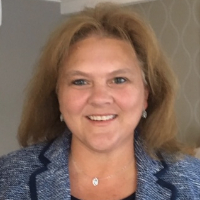





Christopher Korty
LCSW
North Carolina - 20yrs exp
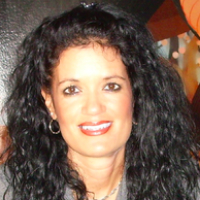

Julie Tamisiea
LCMHC
North Carolina - 15yrs exp












How DBT approaches eating disorder treatment
Dialectical Behavior Therapy, or DBT, is a structured, skills-based psychotherapy that focuses on helping you manage intense emotions and reduce behaviors that interfere with everyday life. When DBT is applied to eating disorders, the aim is to give you practical tools to notice urges, tolerate distress without acting on harmful behaviors, and build emotion regulation skills that make disordered eating less likely to be used as a coping strategy. The method integrates individual therapy with skills training and real-time coaching so that the work you do in sessions translates into changes in daily routines.
Each of DBT's four skill modules has clear applications for eating disorder care. Mindfulness helps you observe physical sensations and emotional triggers without reacting immediately, which can interrupt automatic patterns of restriction, bingeing, or purging. Distress tolerance provides techniques to get through acute moments of overwhelming urge or anxiety without resorting to behaviors that might cause harm. Emotion regulation teaches you to recognize and name emotions, reduce vulnerability to intense states, and build alternatives to eating-disordered coping. Interpersonal effectiveness focuses on communicating needs, setting boundaries, and navigating relationships - issues that often contribute to the cycle of disordered eating.
Finding DBT-trained help for eating disorders in North Carolina
When you look for DBT clinicians in North Carolina, you may find a range of offerings from comprehensive DBT programs to clinicians who incorporate DBT-informed techniques into broader eating disorder treatment. Comprehensive DBT typically includes weekly individual therapy, a weekly skills group, phone or messaging coaching for crisis moments, and regular team consultation among providers. DBT-informed care may focus more narrowly on selected skills during individual sessions. Deciding which is right for you depends on the severity of symptoms, your need for structure, and whether you benefit from a team-based approach.
Geography matters less than training and fit, but location influences logistics. In larger metro areas such as Charlotte, Raleigh, and Durham you are more likely to find clinicians offering full DBT programs and specialized skills groups for eating disorders. Smaller communities and towns across the state may have individual therapists with DBT experience who offer flexible scheduling or telehealth options. If local in-person groups are limited where you live, many therapists provide online skills groups that bring together participants from different cities across North Carolina.
What to expect from online DBT sessions for eating disorders
Online DBT for eating disorders can include the same components as in-person care: individual therapy, skills training groups, and coaching between sessions. In individual sessions you and your therapist will build a treatment plan that targets the behaviors and emotional patterns most disruptive to your life. Sessions often include diary cards or tracking tools to monitor urges, behaviors, and skill use. Skills groups focus on teaching and practicing techniques from the four DBT modules, with homework aimed at applying skills during meals, emotional surges, and interpersonal stress.
Phone or messaging coaching is a distinctive DBT element that helps you apply skills in the moment - for example, using a distress tolerance technique when an urge to binge emerges or rehearsing interpersonal effectiveness skills before a difficult conversation about meals. In an online format coaching may happen by secure messaging or scheduled check-ins, depending on the therapist's practice. You should expect an initial assessment to clarify medical risk related to eating behaviors and to coordinate with any medical or nutritional professionals involved in your care.
Evidence and outcomes for DBT and eating disorders
Research over the past two decades has demonstrated that DBT can be an effective approach for people with binge-eating behaviors and for those with co-occurring emotional dysregulation. Studies suggest that DBT's emphasis on emotion regulation and distress tolerance may reduce the frequency of binge episodes and help people gain stability. While no single therapy is right for everyone, DBT is often recommended when intense emotions, impulsive behaviors, or difficulty with interpersonal relationships maintain disordered eating patterns.
In clinical practice across North Carolina, many multidisciplinary teams incorporate DBT principles into treatment for eating disorders because the skills translate well to the moment-to-moment challenges that arise during recovery. Clinicians often combine DBT with medical monitoring and nutritional counseling to address the full range of needs. If you are looking for evidence-informed care, ask potential providers about their experience working with eating disorders and whether they can describe outcomes, case examples, or how they adapt DBT to your specific presentation.
Choosing the right DBT therapist in North Carolina
Choosing a therapist is a personal process. Start by looking for clinicians who have specific DBT training and experience with eating disorders, and who can describe how they apply the four DBT modules to meal-related challenges. Ask whether the clinician offers a comprehensive DBT program or DBT-informed individual work, and which format - individual, group, or combined - they recommend for your needs. Inquire how they coordinate with medical providers and dietitians, since safe treatment often requires collaboration across disciplines.
Consider practical factors such as session format, group schedules, insurance participation, and availability for coaching between sessions. If you prefer in-person work, look for providers in cities like Charlotte, Raleigh, or Durham where full DBT programs and skills groups are more common. If you need flexibility, many reputable clinicians in North Carolina offer online individual therapy and remote skills groups that fit varied schedules. You may also want to ask about experience with family involvement or meal support if that is relevant to your recovery.
Preparing for your first DBT sessions
Before your first appointment you can prepare by gathering any relevant medical records, a brief history of eating behaviors, and a list of current supports. Be ready to talk about what triggers urges and what has or has not helped in the past. Many DBT clinicians use diary cards or tracking measures; completing initial paperwork honestly helps the team tailor goals and safety planning. Early sessions focus on building rapport, assessing medical risk, and setting clear, measurable goals so you and the therapist know what progress looks like.
Recovery is often gradual, and DBT emphasizes skill building rather than quick fixes. Expect to practice techniques outside sessions and to revisit skills during moments of difficulty. Over time, as you use mindfulness to notice patterns, distress tolerance to survive urgent moments, emotion regulation to reduce vulnerability, and interpersonal effectiveness to strengthen relationships, many people find that eating-disordered behaviors become less frequent and less central to daily life.
Next steps and local considerations
If you are ready to explore DBT for eating disorders in North Carolina, start by reviewing therapist profiles and noting who offers the program elements that matter to you. Reach out with questions about training, group schedules, coordination with medical care, and how the therapist adapts DBT to eating disorder treatment. Whether you are near a larger center like Charlotte, Raleigh, or Durham, or in a smaller community elsewhere in the state, there are clinicians and teams who use DBT's skills-based approach to help people gain control over eating behaviors and build a more manageable, meaningful life.
When you contact a provider, consider asking about an initial consultation to see if their approach fits your goals and comfort level. Good DBT care is collaborative - you and your therapist establish priorities together and work on practical skills that can change how you respond to triggers. Taking that first step can connect you with a structured, compassionate framework for recovery that emphasizes skills you can use right away.