Find a DBT Therapist for Disruptive Mood Dysregulation Disorder (DMDD) in North Carolina
This page connects visitors with therapists in North Carolina who use Dialectical Behavior Therapy to support people with Disruptive Mood Dysregulation Disorder. You will find DBT-focused clinicians who offer individual therapy, skills training, and coaching. Browse the listings below to find a clinician near you or offering online sessions.
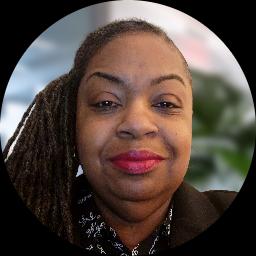





Christopher Korty
LCSW
North Carolina - 20yrs exp








How DBT approaches Disruptive Mood Dysregulation Disorder (DMDD)
When you look for help for DMDD, you are seeking a skills-based, structured approach that addresses chronic irritability, frequent temper outbursts, and difficulty managing strong emotions. Dialectical Behavior Therapy is designed to teach practical skills you can use in the moment while also building long-term coping strategies. DBT focuses on learning specific tools rather than only exploring feelings. That makes it a good fit for managing the intense mood swings and behavioral challenges that often accompany DMDD.
DBT skills that apply to DMDD
The four core DBT modules - mindfulness, distress tolerance, emotion regulation, and interpersonal effectiveness - each play a role in addressing DMDD. Mindfulness helps you notice rising irritability without acting impulsively. Distress tolerance gives you strategies to get through overwhelming moments safely when intense emotions spike. Emotion regulation teaches you how to reduce vulnerability to extreme mood shifts and how to change strong negative emotions when they occur. Interpersonal effectiveness supports healthier communication patterns and boundary setting so that relationships with family, peers, and school staff become less reactive. Together these skills offer a practical toolkit that you can practice in daily life.
Finding DBT-trained help for DMDD in North Carolina
In North Carolina you can find DBT-trained clinicians in a range of settings - private practices, community mental health centers, pediatric behavioral health departments, and specialized outpatient programs. When searching, consider clinicians who list DBT as a primary treatment approach and who have experience working with children and adolescents if that is the population you are concerned about. Many clinicians in larger centers in Charlotte, Raleigh, and Durham have DBT training or work within teams that adapt DBT for mood and behavioral disorders in youth. If you live outside those areas, look for clinicians who offer telehealth so you can access DBT skills training even if local options are limited.
What to look for in a DBT program
Not all DBT programs look the same. Traditional DBT includes individual therapy, multi-family or skills groups, and coaching between sessions. Programs that follow this model tend to emphasize both skills practice and problem-solving. It helps to ask whether a clinician offers a structured skills curriculum and whether families are included in planning and skill practice when appropriate. For youth, family involvement is often a critical part of supporting change at home and in school. You may also want to ask about adaptations for age and developmental level so that skills are taught in ways that make sense for a child or adolescent.
What to expect from online DBT sessions for DMDD
Online DBT can be an effective way to access a full DBT model across North Carolina. If you choose telehealth, expect a combination of individual sessions to address personal goals, skills group meetings to learn and practice the four modules, and coaching or check-ins to help you apply skills in real time. Individual sessions focus on building a life worth living through behavioral analysis, problem solving, and skill coaching tailored to current challenges. Skills groups teach mindfulness, distress tolerance, emotion regulation, and interpersonal effectiveness in a curriculum-style format where you practice and receive feedback.
Coaching is often provided between sessions to help you use DBT skills during heated moments or crises. In an online model coaching may be arranged by message, scheduled calls, or brief video check-ins depending on the clinician's practice. You should clarify how coaching is offered, typical response times, and any boundaries around availability. Many people find that the convenience of online sessions, especially when travel to major centers like Charlotte or Raleigh would be difficult, makes regular attendance more manageable and supports steady skill development.
Evidence and clinical practice in North Carolina
DBT has a strong track record for helping with emotion dysregulation and behavioral problems in both adolescents and adults. While research specific to DMDD has been evolving, clinicians in North Carolina draw on the broader evidence base for DBT in treating chronic irritability, mood instability, and severe emotional outbursts. You will find clinicians trained to adapt DBT protocols to the needs of children and teens with DMDD, emphasizing age-appropriate skills practice and family involvement. Local practitioners also often pair DBT with school-based strategies and coordination with pediatricians to create consistent supports across settings.
How research informs care
Research supports the use of skills-focused interventions for reducing intensity and frequency of mood outbursts and for improving overall emotional functioning. In practice, that means your DBT clinician will emphasize measurable goals and ongoing skill practice. In North Carolina, many programs integrate outcome monitoring and regular progress reviews so you can see whether interventions are helping and adjust the plan as needed. That evidence-informed approach helps ensure that sessions remain practical and focused on change.
Tips for choosing the right DBT therapist in North Carolina
Choosing a therapist is a personal decision. Start by clarifying what you need - whether you want intensive DBT with a full team and group skills training, or a clinician who integrates DBT skills into individual therapy. Ask about training and experience with DMDD or similar mood dysregulation presentations. It is reasonable to inquire how a clinician adapts DBT for younger clients and how they involve caregivers in treatment. If you will rely on telehealth, ask about technology, scheduling, and how groups are run online.
Consider practical matters that affect engagement - location if you prefer in-person work, availability for evening or weekend groups, insurance participation, and whether the clinician coordinates with schools or pediatricians. If you live near cities such as Charlotte, Raleigh, or Durham, you may have more intensive DBT programs available; however telehealth widens options across the state. Finally, trust your sense of fit. DBT is skills-based and collaborative, so feeling understood and supported by your clinician will help you practice new behaviors between sessions and make steady progress.
Next steps
If you are ready to explore DBT for DMDD in North Carolina, review clinician profiles to find a match based on training, therapeutic approach, and availability. Reach out to ask about initial consultations and how they structure treatment for mood dysregulation. Whether you are in a larger city like Charlotte, a college community like Durham, or a smaller town elsewhere in the state, you can find clinicians who emphasize mindfulness, distress tolerance, emotion regulation, and interpersonal effectiveness to help manage difficult moments and build more stable emotional functioning.
Finding the right DBT provider can make a difference in how you or your child learns to respond to strong emotions and challenging situations. Take time to ask questions, compare programs, and choose a clinician whose approach aligns with your goals and daily life. With consistent practice of DBT skills and a supportive therapeutic relationship, many people find new ways to reduce outbursts, improve relationships, and increase emotional balance.