Find a DBT Therapist for Dissociation in North Carolina
This page lists DBT-trained clinicians across North Carolina who focus on dissociation and related trauma symptoms using a skills-based approach. Browse the listings below to compare clinicians, learn about services, and connect with a therapist who uses DBT mindfulness and skills training.

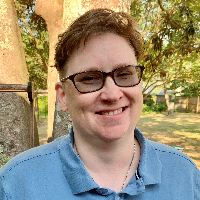
Sarah Roe
LCSW
North Carolina - 34yrs exp






















How DBT approaches dissociation
Dialectical Behavior Therapy is especially useful when dissociation appears alongside intense emotions, interpersonal stress, or a history of trauma. DBT frames treatment around building specific skills so you can respond differently when dissociative experiences arise. Rather than relying on a single technique, DBT weaves together mindfulness practice, distress tolerance strategies, emotion regulation training, and interpersonal effectiveness skills to create a comprehensive plan that addresses both immediate episodes and underlying patterns.
Mindfulness and grounding
Mindfulness in DBT teaches a steady, nonjudgmental awareness of the present moment. For dissociation, that means practicing noticing when awareness drifts and bringing attention gently back to current sensations, breathing, or external cues. Grounding exercises are often introduced as concrete, sensory-based practices that fit within the mindfulness module. When you learn to observe thoughts and sensations without becoming overwhelmed, dissociative episodes are less likely to escalate into prolonged disconnection from your surroundings.
Distress tolerance in moments of dissociation
Distress tolerance skills give you tools to manage moments when dissociation is triggered and immediate change is not possible. These techniques include brief sensory interventions, paced breathing, temperature or movement cues, and step-by-step grounding sequences that reduce intensity in the short term. DBT emphasizes having a plan for high-intensity moments so you can use learned strategies to remain present until the crisis abates. That planning often includes identifying safe people, specific actions to attempt, and ways to signal for support while maintaining a calm focus.
Emotion regulation and interpersonal effectiveness
Many dissociative experiences are tied to overwhelming emotions. DBT’s emotion regulation module helps you name, reduce, and shift strong affective states over time so triggers become easier to navigate. Simultaneously, interpersonal effectiveness skills help you manage relationships that may contribute to distress - setting boundaries, asserting needs, and negotiating conflicts in ways that lower the likelihood of repeated triggers. Together these modules address both the internal and relational contributors to dissociation.
Finding DBT-trained help for dissociation in North Carolina
When searching for a DBT clinician in North Carolina, consider both in-person and online options. Major population centers such as Charlotte, Raleigh, and Durham host clinicians and clinics with formal DBT programs and skills groups. Outside metropolitan areas, many therapists offer telehealth sessions that allow you to access DBT-informed care across the state, from Greensboro to Asheville. Use directory listings to filter by DBT training, experience with dissociation, and whether a therapist runs skills groups in addition to individual work.
Ask potential providers about their DBT training - whether they have completed formal DBT training, participate in a consultation team, and have experience adapting DBT for dissociation or trauma-related conditions. A clinician who integrates DBT skills into a coherent, stage-based plan is more likely to help you progress from crisis management to sustained skill use and relational improvements.
What to expect from online DBT sessions for dissociation
Online DBT typically combines individual therapy, weekly skills groups, and between-session coaching. In individual sessions you will work with the therapist to set priorities, conduct behavioral analyses of dissociative episodes, and tailor skills practice to your specific triggers and patterns. Skills groups teach the four DBT modules in an interactive setting, allowing practical rehearsal and peer feedback. Between sessions a phone or messaging-based coaching option can help you apply skills in real time during distressing moments.
Online sessions require some planning to get the most out of them. Choose a quiet, comfortable environment where you can focus. Have grounding items on hand - a glass of water, textured object, or a list of sensory cues - and discuss safety and crisis plans with your therapist before intense work begins. Effective online DBT maintains the same structure and accountability as in-person programs, including homework assignments, diary card tracking, and regular review of progress.
Evidence and clinical perspective
Research and clinical experience indicate that DBT can be adapted to address dissociative symptoms, especially when those symptoms are linked with emotional dysregulation and trauma-related patterns. Studies that examine DBT for complex trauma and related presentations report improvements in emotional control, reductions in self-harm behaviors, and better interpersonal functioning - factors that often contribute to fewer or less severe dissociative episodes. Clinicians across North Carolina have incorporated DBT principles into trauma-informed care, and many programs emphasize skills training as a central component for stabilizing symptoms.
While outcomes vary by individual and by program, you can expect DBT-informed treatment to focus first on safety and stabilization, then on learning and generalizing skills, and finally on addressing longer-standing patterns. This staged approach helps ensure that skill development occurs at a pace that supports sustained gains rather than temporary relief.
Choosing the right DBT therapist in North Carolina
Choosing a therapist is a personal process. Start by identifying whether a clinician offers the core elements of DBT - individual therapy, a skills group, and between-session coaching - or whether they practice DBT-informed techniques within another model. Ask about specific experience with dissociation and with clients who have similar backgrounds or triggers. Inquire how they structure group work and whether groups meet in person in cities like Charlotte or Raleigh, or online so you can join from elsewhere in the state.
Consider practical matters such as session frequency, whether the therapist participates in a consultation team, and how progress is measured. Discuss insurance, fees, and sliding scale options if cost is a consideration. Also explore therapists' approaches to collaboration - whether they will coordinate with other providers, involve family members as appropriate, and adjust treatment plans based on your evolving needs. Cultural competence and an ability to tailor DBT skills to your context are key elements to look for.
Practical next steps
Begin by browsing listings to narrow choices to clinicians whose profiles mention DBT training and experience with dissociation. Contact several therapists to compare approaches and ask targeted questions about skills groups, coaching availability, and how they adapt DBT for dissociative experiences. Prepare for an initial consultation by noting your main concerns, recent patterns of dissociation, and what you hope to accomplish in therapy. With thoughtful selection and a collaborative start, DBT can give you a structured path toward greater presence, emotional balance, and more connected relationships in your daily life.