Find a DBT Therapist for Bipolar in North Carolina
This page lists DBT therapists in North Carolina who focus on treating bipolar disorder using a skills-based DBT approach. Browse the listings below to find professionals trained in mindfulness, distress tolerance, emotion regulation, and interpersonal effectiveness.


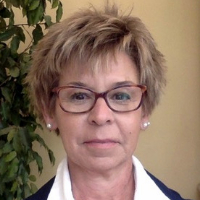
Sarah Roe
LCSW
North Carolina - 34yrs exp








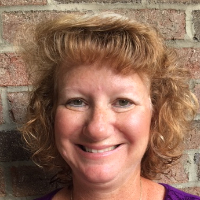
Christopher Korty
LCSW
North Carolina - 20yrs exp







How DBT specifically approaches bipolar care
Dialectical Behavior Therapy is a skills-based model that emphasizes practical tools you can apply day to day. For people managing bipolar symptoms, DBT’s structured skill modules offer concrete ways to navigate mood shifts, impulsive actions, and relationship strain without offering a quick cure. You will find that DBT prioritizes learning and practicing skills across four core modules - mindfulness, distress tolerance, emotion regulation, and interpersonal effectiveness - each of which maps onto common challenges that can arise with bipolar mood patterns.
Mindfulness and heightened mood awareness
Mindfulness helps you increase awareness of internal experience - thoughts, bodily sensations, and early mood changes - without judgment. In the context of bipolar care, developing this awareness can help you notice the subtle signs of a mood swing earlier, which gives you more options for using other DBT skills before patterns intensify. Mindfulness practice in DBT is practical and skill-oriented; therapists guide you to notice what is happening in the moment and to choose responses rather than reacting automatically.
Distress tolerance for crisis moments
Distress tolerance teaches strategies for surviving intense emotional episodes when immediate change is not feasible. When you are facing a strong mood event - whether elevated energy or low mood - distress tolerance tools offer ways to reduce immediate suffering and prevent impulsive actions that might lead to harm or setbacks. These skills are especially useful in the early stages of a mood shift when quick coping strategies can buy time for more deliberate problem solving.
Emotion regulation to build steadier responses
Emotion regulation skills give you methods for understanding and modifying emotional responses over time. You will learn ways to reduce vulnerability to mood extremes, plan supportive routines, and apply targeted strategies to shift intensity. For many people with bipolar, learning emotion regulation in the DBT framework complements medication and psychiatric care by strengthening daily habits that influence mood stability.
Interpersonal effectiveness and relationship repair
Interpersonal effectiveness focuses on communicating needs, setting boundaries, and maintaining relationships while protecting your goals and values. Mood variability can strain work and family ties. DBT training helps you practice clearer communication, negotiate conflicts, and assert yourself in ways that reduce escalation and preserve important connections.
Finding DBT-trained help for bipolar in North Carolina
When you begin looking for a DBT therapist in North Carolina, consider practitioners who list DBT training or certification and who describe experience working with mood disorders or bipolar spectrum conditions. You can narrow searches by location if you prefer in-person sessions in cities like Charlotte, Raleigh, Durham, Greensboro, or Asheville, or by availability for online care if you want more flexibility. Many therapists also indicate whether they offer individual DBT, skills groups, or coaching - options that matter for a full DBT-informed approach.
Ask potential therapists about their DBT training pathway and how they adapt DBT for bipolar presentations. Some therapists follow standard DBT protocols closely while others integrate DBT skills into a broader treatment plan that may include coordination with prescribers. It is reasonable to request brief information about how a clinician structures treatment and how they work with clients who experience mood cycling.
What to expect from online DBT sessions for bipolar
Online DBT in North Carolina offers many of the same components as in-person care: individual therapy, skills training groups, and between-session coaching. In individual sessions you will work on applying DBT strategies to your personal goals and current challenges, including safety planning and skills practice. Skills groups recreate the classroom-like learning environment where you can learn and rehearse mindfulness, distress tolerance, emotion regulation, and interpersonal effectiveness with peers under clinician guidance.
Between-session coaching is often offered by DBT teams to help you apply skills in real time. This might be available through scheduled brief calls or messages, depending on a therapist’s practice model. If you choose online care, confirm whether group sessions are offered virtually and whether technology supports the format used by the clinician. Many people in North Carolina find online DBT helpful if in-person groups are not available in their region.
Evidence and clinical experience in this region
Research into DBT and its adaptations for mood instability has grown over recent years. While large-scale outcomes can vary across study designs, clinicians in North Carolina and beyond report that DBT’s skills-focused approach is often a useful complement to psychiatric care for bipolar management. You will find DBT offered in a range of settings - private practices, community clinics, and academic programs in cities such as Raleigh and Durham - where clinicians combine skills training with ongoing psychiatric oversight when needed.
When evaluating evidence, consider that DBT’s focus on emotion regulation and crisis management aligns well with priorities in bipolar care, especially when the treatment plan emphasizes coordination between therapists and prescribers. Community-based experience in places like Charlotte and Asheville also shows that integrating DBT skills into daily routines can help people build more predictable coping strategies.
Tips for choosing the right DBT therapist in North Carolina
Start by clarifying what you want from therapy - whether it is improving mood stability, reducing impulsive behavior, rebuilding relationships, or learning better crisis coping tools. Look for therapists who explicitly describe DBT skills work and who can explain how the four modules fit into their treatment of bipolar. If group work is important to you, verify that skills groups are actively offered and ask how groups are structured and how membership is maintained over time.
Consider practical factors such as location and scheduling if you prefer in-person care in Greensboro or prefer a provider who travels to multiple clinics. For online care, ask about session length, group meeting times, platform requirements, and whether the therapist offers brief coaching outside sessions. Discuss how the therapist coordinates with psychiatrists or other medical providers if medication management is part of your care plan. Financial considerations matter too - ask about fees, insurance acceptance, and sliding scale availability if cost is a concern.
Building rapport and assessing fit
Fit matters. In an initial consultation, notice whether the therapist explains DBT skills in clear, practical terms and whether they invite you to set measurable goals. A therapist who outlines how you will practice skills between sessions and how progress will be tracked can help you understand what the work will look like. You should feel that your questions are heard and that the therapist can adapt DBT tools to your life context.
If you live in a more rural part of North Carolina, online DBT can expand your options and connect you with clinicians based in larger cities. Whether you choose in-person or virtual care, prioritize a clinician who offers a structured approach to skills training and who can work closely with other providers involved in your care when necessary.
Next steps
Use the listings on this page to compare clinician profiles, read about training and service formats, and contact therapists to ask specific questions about their DBT approach to bipolar. Preparing a short list of priorities - such as group availability, coaching options, and experience with mood disorders - will help you make a focused choice. With the right DBT-informed support, you can learn practical skills that many people find helpful for managing mood variability and improving everyday functioning.
Whether you are searching in Charlotte, Raleigh, Durham, Greensboro, Asheville, or elsewhere in North Carolina, a thoughtful conversation with a DBT-trained clinician can clarify whether their approach fits your goals and practical needs.