Find a DBT Therapist for Anger in North Carolina
This page lists DBT therapists across North Carolina who focus on treating anger through a skills-based approach. Clinicians include those offering individual DBT, skills groups, and coaching in cities like Charlotte, Raleigh, and Durham. Browse the listings below to connect with a practitioner who matches your needs.

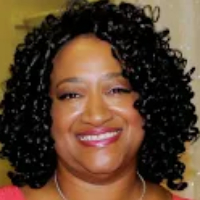


Sarah Roe
LCSW
North Carolina - 34yrs exp










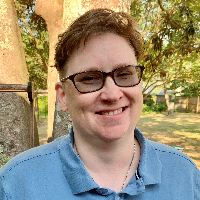
Christopher Korty
LCSW
North Carolina - 20yrs exp









How DBT Treats Anger
Dialectical Behavior Therapy focuses on teaching practical skills that help you manage intense emotions like anger. Rather than framing anger as something to be eliminated, DBT helps you notice triggers, reduce impulsive reactions, and respond in ways that align with your values. The work centers on four core skill modules - mindfulness, distress tolerance, emotion regulation, and interpersonal effectiveness - each of which plays a direct role in how you understand and work with anger.
Mindfulness and awareness
Mindfulness gives you tools to observe anger as it arises without immediately acting on it. You learn to pay attention to bodily sensations, thoughts, and urges in the moment so that you can choose how to respond instead of reacting automatically. Practice in mindfulness makes it easier to spot early warning signs of escalation and to use other DBT skills before anger leads to regrettable behaviors.
Distress tolerance for crisis moments
Distress tolerance teaches methods for getting through intense emotional states without making things worse. When anger feels overwhelming, you will learn techniques to tolerate the feeling long enough to use other skills - for example, grounding exercises, paced breathing, and short-term distraction strategies. These techniques are intended to be practical tools for stability when you need them most.
Emotion regulation to change patterns
Emotion regulation helps you understand the functions of anger and the patterns that maintain it over time. Through tracking, analysis, and skills practice you work on changing how strongly anger impacts your behavior. This module offers steps to reduce vulnerability to angry outbursts, build positive experiences, and replace impulsive reactions with planned, value-driven responses.
Interpersonal effectiveness for relationships
Interpersonal effectiveness focuses on communicating your needs and boundaries in ways that preserve relationships and reduce conflict. When anger arises in interactions - at home, at work, or with friends - you will learn strategies for asserting yourself, negotiating, and saying no without escalating tension. These skills help you pursue important goals while maintaining respect for yourself and others.
Finding DBT-Trained Help for Anger in North Carolina
When you start your search in North Carolina, consider whether a therapist emphasizes DBT as their primary approach and whether they have experience treating anger specifically. Many clinicians blend DBT with other therapeutic methods, but a DBT-focused provider will be able to describe how the four skill modules are integrated into treatment. Look for practitioners who offer both individual sessions and access to skills training, since the combination tends to be most effective for skill acquisition.
In larger metro areas such as Charlotte, Raleigh, Durham, Greensboro, and Asheville there are options for both in-person and remote services. If you prefer face-to-face work, search for therapists with clinic locations near your neighborhood. If scheduling or travel is a concern, telehealth options can broaden your choices and make it easier to attend regular sessions and group skills training.
What to Expect from Online DBT Sessions for Anger
Online DBT models in North Carolina typically include three components - individual therapy, weekly skills groups, and coaching between sessions. In individual therapy you and your therapist will set treatment targets, work on behavioral analysis of angry incidents, and apply DBT strategies to your real-life situations. Skills groups are didactic and practice-oriented; they teach the mindfulness, distress tolerance, emotion regulation, and interpersonal techniques that you will use between sessions.
Coaching is a distinct part of many DBT programs and it helps you apply skills in the moment. Coaching may be offered by phone or secure messaging depending on a clinician's practice. When using online services you should expect structured sessions with clear goals, homework assignments to practice new skills, and opportunities to practice exercises during the session. Technology platforms make it possible to connect with therapists from different parts of the state, so someone in Charlotte or Asheville can work with a DBT clinician located elsewhere in North Carolina.
Evidence and Clinical Practice in North Carolina
DBT was developed to address emotion dysregulation and has been adapted to treat a variety of anger-related problems. Research literature supports its effectiveness for reducing impulsive and aggressive behaviors and for teaching durable emotion regulation strategies. In clinical practice across North Carolina, community mental health centers, outpatient clinics, and private practices have incorporated DBT-informed programs to meet needs related to anger, interpersonal conflict, and stress management.
If you are looking for evidence that a particular therapist or program uses DBT properly, ask about their training, experience with anger-focused cases, and whether they offer a coordinated model that includes skills group work. Clinicians who participate in DBT consultation teams or who can describe how the four modules are delivered are often more consistent in their approach.
Practical Tips for Choosing the Right DBT Therapist in North Carolina
Start by clarifying what you want from therapy - symptom reduction, better relationships, or improved coping in high-stress jobs. When contacting clinicians, ask how they structure DBT for anger, whether they include group skills training, and how coaching is handled between sessions. Inquire about their experience working with clients who have similar backgrounds or life stressors, whether military service, parenting, workplace conflict, or co-occurring conditions.
Consider logistics as well. Ask about session length and frequency, fees and insurance participation, sliding scale options, and whether they offer in-person sessions in cities such as Raleigh or Durham. If you prefer evenings or weekend groups, verify availability. You may also want to ask what a first appointment will cover so you can prepare to discuss recent anger episodes, your goals, and any safety concerns.
Preparing for Your First DBT Appointment
Before your first session, think about recent situations where anger affected you or others. Be ready to describe typical triggers, the thoughts and bodily sensations that accompany anger, and what usually happens afterward. This information helps your therapist perform a behavioral analysis and identify initial targets for skill-building. Expect to be introduced to basic mindfulness and distress tolerance practices early on so you have immediate tools to try between sessions.
Choosing a DBT therapist is a personal decision and you should feel able to evaluate fit after a few sessions. A good match will include clear explanations of the DBT framework, collaboration on treatment goals, and concrete plans for practicing skills. Whether you live in Charlotte, Greensboro, Asheville, or a smaller North Carolina community, finding a clinician who combines DBT expertise with an approach that feels respectful and practical will help you make steady progress with anger management.
Moving Forward
DBT offers a structured, skills-based path to understanding and changing how anger operates in your life. By learning to notice and name emotions, tolerate crisis moments, regulate intensity, and communicate effectively, you build a toolkit that reduces the frequency and impact of angry episodes. Use the listings above to find therapists who focus on DBT in North Carolina, reach out with questions about their approach, and consider beginning with an initial consultation to see whether their style and offerings align with what you need.