Find a DBT Therapist for Panic Disorder and Panic Attacks in New York
This page connects you with therapists across New York who use Dialectical Behavior Therapy to address panic disorder and panic attacks. You will find clinicians trained in DBT's skills-based approach, helping you explore treatment options in your area. Browse the listings below to review profiles and reach out to therapists who match your needs.
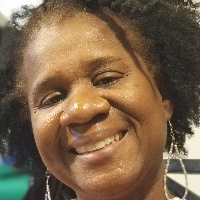

















Edili Maldonado
LMHC, LPC
New York - 12yrs exp


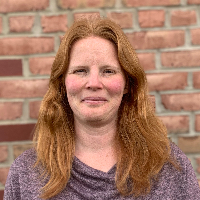
Katherine Henderson
LCSW, LMHC
New York - 31yrs exp



How DBT Specifically Treats Panic Disorder and Panic Attacks
If you experience panic attacks or a diagnosis of panic disorder, DBT offers a structured, skills-based way to reduce intensity and improve your day-to-day functioning. Dialectical Behavior Therapy was designed to teach practical skills you can use in the moment and to change longer-term patterns that keep panic symptoms recurring. The four core DBT modules - mindfulness, distress tolerance, emotion regulation, and interpersonal effectiveness - each play a role in addressing panic.
Mindfulness helps you build awareness of bodily sensations, breathing, and the thought patterns that often escalate a panic attack. Learning to observe what you feel without immediately reacting can shorten an episode and reduce fear of future attacks. Distress tolerance gives you tools to manage acute panic when it strikes - grounding strategies, paced breathing, and short-term coping practices that help you ride out an episode without making choices that worsen it.
Emotion regulation targets the underlying sensitivity to intense feelings that can fuel panic. You will work on identifying emotions, reducing vulnerability factors like sleep loss or substance use, and increasing positive experiences that bolster resilience. Interpersonal effectiveness is often overlooked for panic work but is essential when panic is triggered by social situations, high-conflict relationships, or difficulty asserting needs. Strengthening skills in this area can reduce interpersonal stressors that provoke panic.
Finding DBT-Trained Help for Panic Disorder in New York
In New York you have access to a wide range of DBT-trained providers - from solo practitioners to clinics and university-affiliated programs. Begin by looking for therapists who explicitly list DBT training and experience working with panic or anxiety-related conditions. A clinician who can describe how they integrate the four DBT modules into panic-focused treatment is more likely to offer a tailored, skills-centered plan rather than providing general anxiety counseling.
Consider whether you prefer a therapist based near major hubs such as New York City, Buffalo, Rochester, Albany, or Syracuse. Urban centers often have multidisciplinary teams and DBT skills groups, while suburban or upstate practices may offer more flexible scheduling. If location or commute is a concern, many DBT clinicians in New York provide remote sessions that allow you to access a therapist experienced with panic disorder from home.
What to Expect from Online DBT Sessions for Panic Disorder
Online DBT for panic disorder typically includes a combination of individual therapy, skills group sessions, and on-call coaching or between-session support directed at practicing skills when you need them. In individual sessions you and your therapist will map out how panic shows up for you, set treatment goals, and practice applying DBT skills to your specific triggers. The focus is both on reducing immediate distress and on changing the patterns that allow panic to persist.
Skills groups provide an interactive setting to learn and rehearse DBT modules with others who are working on similar issues. Group learning can accelerate skill acquisition because you can hear how other participants use strategies and receive feedback. Between sessions some therapists offer real-time coaching to help you apply a skill during a panic episode. If on-call support is part of your treatment, ask how it is offered and what boundaries are in place so you know what to expect.
Online DBT requires a reliable internet connection and a quiet, comfortable environment where you can focus. Before starting remote sessions, confirm that your clinician uses practices to protect your personal information and that they discuss expectations about attendance, cancellation, and emergency planning for times when panic escalates quickly.
Evidence and Clinical Rationale for Using DBT with Panic Symptoms
DBT was developed to treat high emotional reactivity and behaviors that emerge from intense distress. Clinicians have adapted DBT principles for panic-focused work because the skills directly target the processes that maintain panic symptoms - heightened bodily attention, catastrophic thinking, avoidance, and interpersonal strain. Research on transdiagnostic skills training and on emotion regulation interventions supports the idea that teaching practical coping strategies can reduce panic frequency and improve functioning.
In New York, mental health centers and academic programs have investigated and implemented DBT-informed approaches for anxiety and panic-related presentations. While individual responses vary, many people find that incorporating DBT skills alongside exposure-based strategies and cognitive approaches offers a comprehensive toolkit. When you evaluate evidence, look for clinicians who can explain how they measure progress, such as tracking attack frequency, intensity, and how well you can use skills during high-anxiety moments.
Practical Tips for Choosing the Right DBT Therapist in New York
Choosing a therapist is a personal decision that benefits from preparation. Start by clarifying what matters most to you - do you need weekend appointments, a clinician experienced with panic in college students, or someone who offers intensive outpatient DBT? When you contact a potential therapist, ask about their DBT training, years of experience working with panic, and whether they offer both individual sessions and a skills group. You can also inquire about how they integrate exposure or cognitive techniques with DBT skills if avoidance is a significant part of your panic cycle.
Consider practical factors such as insurance participation, sliding scale options, and the format of sessions. If you live in or near New York City, Buffalo, or Rochester, you may have access to specialized DBT teams and larger skills groups. In smaller communities, clinicians may adapt group formats or offer more individualized programs. Think about cultural fit and whether a therapist demonstrates understanding of your background, identity, and life demands - feeling understood by a clinician often speeds progress.
Questions to Ask During a First Call
When you reach out, ask how many sessions they recommend before evaluating progress, what homework or skill practice looks like between appointments, and how they help clients apply skills during panic attacks. Ask whether they offer coaching between sessions and how that is arranged. These practical details will help you picture how treatment fits into your life and whether the clinician’s approach aligns with your goals.
Next Steps and Getting Started in New York
Taking the first step can feel daunting, but finding a DBT therapist who understands panic disorder gives you a clear roadmap: learn skills, practice them in daily life, and change the patterns that maintain panic. Use the listings above to compare clinicians in your area, review their descriptions for DBT experience with panic, and reach out for an initial consultation. Whether you live in New York City, commute from the suburbs, or are based in Buffalo, Rochester, Albany, or Syracuse, there are DBT-informed options that can be tailored to your schedule and needs.
When you contact a therapist, prepare a brief summary of what you are experiencing, what you hope to change, and any scheduling or insurance considerations. A short intake conversation can help you and the clinician determine if their DBT approach is a good fit. With the right match, you can begin building skills that reduce the power of panic and help you regain confidence in daily activities.