Find a DBT Therapist for Dissociation in New York
This directory page highlights DBT clinicians across New York who focus on dissociation and related symptoms using a skills-based approach. Explore practitioners trained in mindfulness, distress tolerance, emotion regulation and interpersonal effectiveness and browse the listings below to find a good match.




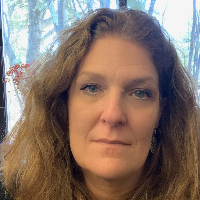











Dr. Joanna Kristeva
LCSW, LISW
New York - 12yrs exp






How DBT approaches dissociation
Dialectical Behavior Therapy, or DBT, is a structured, skills-based treatment that emphasizes practical tools you can use when dissociation arises. Rather than treating dissociation as a single problem, DBT breaks down the experience into patterns of attention, emotion, coping and relationship behavior that can be addressed through training and practice. The four DBT modules - mindfulness, distress tolerance, emotion regulation and interpersonal effectiveness - each offer techniques that can be adapted to help ground you, reduce the intensity of dissociative episodes and strengthen your ability to manage triggers.
Mindfulness helps you notice changes in awareness without judgment. That can mean learning simple orientation techniques to re-establish contact with the present moment when you feel detached. Distress tolerance offers skills for surviving and reducing the intensity of a dissociative moment without making things worse, including grounding practices and sensory strategies that are practical and immediate. Emotion regulation addresses the underlying emotional patterns that often precede dissociation by teaching ways to identify, label and influence strong emotions so they are less likely to overwhelm you. Interpersonal effectiveness helps you set boundaries and ask for support in relationships, which can reduce repeated relational stressors that sometimes trigger dissociation.
Finding DBT-trained help for dissociation in New York
When you search for a DBT therapist in New York, look for clinicians who explicitly describe both DBT training and experience working with dissociation or trauma-related responses. Many clinicians in larger urban centers such as New York City will list specialized DBT certifications or years of training in behavioral approaches, while practitioners in Buffalo, Rochester, Albany and Syracuse may combine DBT skills with trauma-informed care. Telehealth has also expanded options, so you can access DBT-trained clinicians across the state even if a local in-person program is not available nearby.
Ask potential providers about how they adapt DBT for dissociation. A clinician who understands dissociation will be able to explain how they integrate grounding techniques, pacing, and stabilization work with standard DBT strategies. They should be able to describe what their individual sessions and skills groups look like, whether they offer supplemental coaching between sessions, and how they assess progress. If you prefer in-person sessions, inquire about office settings and whether there is a private space for therapy. If you are considering remote care, ask about how groups and coaching are delivered online and what to expect for session structure.
Local resources and program types
In New York City you are likely to find a wide range of DBT offerings, from intensive outpatient programs to weekly skills groups and specialist clinicians who treat complex dissociative presentations. In smaller cities and suburban areas such as Buffalo and Rochester, clinicians often provide individualized DBT-informed care and may run community skills groups. University clinics and training programs across the state can also be good places to find clinicians who are supervised in evidence-based DBT practice. Regardless of location, prioritize finding a clinician who demonstrates both technical DBT knowledge and sensitivity to how dissociation affects daily functioning.
What to expect from online DBT sessions for dissociation
Online DBT makes it easier to access skilled clinicians across New York, and many DBT teams have adapted each program component to work virtually. Your treatment typically combines individual therapy, a skills training group and between-session coaching. In individual sessions you and your therapist will do case formulation work, which often includes mapping the chain of events that lead to dissociation and developing personalized strategies to interrupt that sequence. Skills groups teach and practice the four DBT modules in a group setting so you can learn new tools alongside others.
Between-session coaching, sometimes offered by phone or messaging according to the clinician s policies, helps you apply skills when dissociation begins or when you are struggling to use a new technique. Online skills groups usually involve interactive teaching, live practice, and assigned homework such as monitoring exercises or short grounding practices to try during the week. To make the most of virtual work, you will want a quiet area, reliable internet and a plan for how to step away or seek in-person support if an exercise becomes overwhelming.
How sessions are structured
Individual DBT sessions tend to be goal-oriented and collaborative. You will work with your therapist to set measurable goals related to reducing dissociative interruptions and improving daily functioning. The therapist may use chain analysis to identify patterns and will collaborate with you on building a tailored skills plan. Skills groups are typically weekly and focus on teaching, modeling and practicing techniques from the four DBT modules. Coaching is available in many programs to help you use skills in real time and to troubleshoot barriers to practice.
Evidence and clinical perspective in New York
DBT was originally developed for emotion dysregulation and self-harm, but clinicians have adapted its skills-based framework for a range of stress-related and trauma-linked difficulties, including dissociation. Research and clinical reports suggest that targeted DBT skills training can reduce the intensity of dissociative experiences by improving emotion regulation and fostering present-moment awareness. In New York, many clinicians integrate DBT with trauma-informed assessment and stabilization techniques to ensure that you learn grounding and safety strategies before moving into more challenging emotional work.
As with any therapeutic approach, outcomes vary depending on the specifics of your situation and the fit with your clinician. You can expect that a DBT-informed therapist will emphasize incremental skill-building, frequent monitoring of progress, and collaborative problem-solving. That structured approach can be especially helpful when dissociation interferes with daily routines, work or relationships because it breaks change down into manageable, practice-based steps.
Choosing the right DBT therapist for dissociation in New York
When you evaluate potential therapists, begin by asking about their formal DBT training and how long they have worked with dissociation or trauma-related conditions. Request examples of how they adapt DBT skills to address dissociative experiences, and ask whether they offer both individual therapy and skills groups. If group work is important to you, find out how groups are run and whether attendance expectations match your schedule. If you prefer in-person appointments, check whether the clinician has a dedicated, private space for sessions. If you need remote care, ask how they manage safety planning and crisis procedures over video.
Also consider practical matters such as availability, session length, fees and whether the clinician accepts your insurance or offers a sliding scale. Cultural competence and a collaborative stance are important - you should feel heard and respected when you describe dissociative experiences and how they affect your life. An initial consultation can help you get a sense of the therapist s style, whether the approach feels manageable, and how therapy goals will be set and reviewed over time.
Finally, remember that finding the right therapist can take time. It is reasonable to try a few clinicians or a skills group to see what fits. In larger communities such as New York City there may be more options and program types, while in Buffalo, Rochester, Albany and Syracuse you may find clinicians who combine DBT with specialized trauma or stabilization training. Wherever you are in the state, focusing on DBT-trained clinicians who explain how they will adapt skills for dissociation is a practical way to find care that meets your needs.
DBT offers a structured path for learning concrete tools and building resilience in the face of dissociation. Use the listings above to compare profiles, read descriptions of training and approach, and reach out for an initial conversation. Connecting with a DBT-trained clinician can help you develop skills that support greater presence, clearer emotion management and improved functioning in your daily life.