Find a DBT Therapist for Self-Harm in New Jersey
This page connects you with DBT-trained clinicians in New Jersey who specialize in treating self-harm. Listings include information on approach, location, and availability so you can find a clinician who fits your needs.
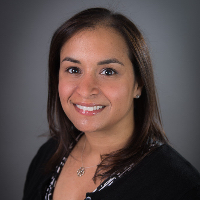
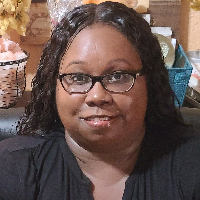
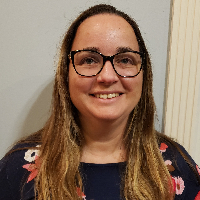
Explore profiles below to learn more about DBT-based care in Newark, Jersey City, Trenton, Princeton and Hoboken and to contact therapists who offer individual therapy, skills groups, and coaching.















How DBT specifically addresses self-harm
Dialectical Behavior Therapy is a skills-based approach that was developed to help people who struggle with intense emotions and high-risk behaviors, including self-harm. If you are seeking help, DBT focuses on teaching concrete skills that reduce the urge to harm and increase your ability to tolerate distress. The work centers on four core modules - mindfulness, distress tolerance, emotion regulation, and interpersonal effectiveness - and puts those skills into practice through individual therapy, skills training, and coaching.
Mindfulness helps you notice urges, thoughts and sensations without being driven by them. That basic shift in awareness can create the space you need to choose a different response when self-harm impulses arise. Distress tolerance gives you short-term strategies to ride out intense moments without acting on urges. These techniques include grounding practices and crisis survival plans that are meant to be used when emotional pain feels overwhelming.
Emotion regulation helps you understand the patterns that lead to self-harm and develop longer-term skills to reduce emotional vulnerability. You will learn to identify emotions, reduce reactivity, and build positive experiences that lower baseline distress. Interpersonal effectiveness focuses on the relationships and communication patterns that often influence self-harm - learning how to ask for needs, set boundaries, and manage conflict can reduce triggers and improve support networks.
Therapists trained in DBT also use behavioral analysis tools such as diary cards and chain analysis to map out the sequence of events, thoughts and feelings that precede self-harm. That information guides targeted skill-building and helps you track progress over time. DBT’s emphasis is practical - you will work on skills you can use immediately while also addressing the underlying patterns that maintain harmful behaviors.
Finding DBT-trained help for self-harm in New Jersey
When you look for a therapist in New Jersey, you can search for clinicians who advertise DBT training or participation in DBT consultation teams. Some clinicians offer comprehensive DBT programs with individual therapy, weekly skills groups, and between-session coaching. Others provide DBT-informed treatment where core DBT skills are integrated into a broader therapeutic approach. Both can be helpful, but it is useful to ask how the clinician organizes care and whether they offer a skills group component.
Availability varies across the state. In urban centers such as Newark and Jersey City there are more clinicians and programs offering full DBT services. In suburban and smaller communities like Princeton and Hoboken you may find experienced clinicians who provide individual DBT and virtual skills groups. If you live near Trenton or another county seat, clinicians may be available through community mental health centers or private practices that serve the region. Telehealth has also expanded access, making it easier to work with a DBT-trained therapist even if they are not located in your immediate area.
What to expect from online DBT sessions for self-harm
Online DBT follows the same basic structure as in-person programs and can be effective when you have a reliable connection and a private place to participate. Expect a combination of individual therapy sessions focused on behavior analysis and treatment planning, and skills groups where you learn and practice DBT modules in a group setting. Skills groups are typically structured and co-led, with homework and in-session practice to build mastery.
Many DBT therapists also offer between-session coaching to help you apply skills in the moment. This coaching is aimed at helping you use distress tolerance and mindfulness techniques when urges arise, and at supporting safety planning. If you are considering online care, ask the therapist how coaching is offered, what times are available, and how crisis situations are handled. It is reasonable to inquire about session length, group size, technology requirements, and expectations for participation in homework or diary tracking.
Group dynamics and online safety
Skills groups conducted online require clear guidelines around respectful communication, attendance, and confidentiality expectations. You should feel able to share at a pace that works for you and to practice skills in a supportive setting. Many clinicians will discuss safety planning at the start of treatment and will outline steps for emergencies - make sure you understand how to reach them or local emergency services if an urgent situation arises.
Evidence supporting DBT for self-harm
The broader research base for DBT shows that it can reduce self-harm behaviors and suicidal ideation in many people who participate in comprehensive DBT programs. Clinicians in New Jersey have adopted DBT in a range of settings, from outpatient centers to hospital-affiliated programs, and training opportunities for clinicians continue to grow across the state. While individual results vary, DBT’s structure of skills training plus individualized therapy has a strong rationale for addressing the behaviors and emotional patterns that underlie self-harm.
When you review a clinician’s background, look for evidence that they continue to engage with DBT training and consultation. Ongoing professional development and participation in a DBT consultation team are indicators that the clinician is practicing within the model. You can also ask about outcome tracking - many DBT programs use tools like diary cards to monitor suicidal urges, self-harm incidents, and skill use, which helps guide treatment adjustments.
Choosing the right DBT therapist for self-harm in New Jersey
Choosing a therapist is a personal decision and finding a good fit increases the likelihood that you will stick with treatment. Start by asking clinicians about their specific DBT training and experience working with self-harm. Ask whether they offer comprehensive DBT or DBT-informed therapy, and how they structure skills groups and coaching. If group participation is required, inquire about group size, meeting times, and how groups are run so you know what to expect.
Consider practical matters such as location, insurance or fee structure, and whether the clinician offers virtual sessions. If you live near Newark, Jersey City, Trenton, Princeton or Hoboken, you may have more local options for in-person groups. If you need to balance work or school commitments, ask about evening or weekend groups and the possibility of hybrid attendance. It is also reasonable to ask how the therapist coordinates care with other providers if you are seeing a psychiatrist or receiving support from a community agency.
Trust your impressions from an initial consultation. You should feel that the clinician listens and understands your goals. DBT is a collaborative approach - you will work together to create a treatment plan and practical strategies for coping. If you do not feel heard or supported, it is acceptable to continue your search until you find someone whose approach aligns with your needs and values.
Getting started and next steps
Begin by reviewing profiles and reaching out to clinicians who describe experience with self-harm and DBT skills training. Prepare questions about the structure of treatment, how they handle crisis situations, and what a typical session looks like. If you are considering online DBT, clarify the technology platform, expectations for privacy during sessions, and how skills groups are run remotely.
Seeking help for self-harm takes courage. DBT provides a clear and skill-focused pathway for reducing self-harm behaviors and building alternatives for coping with intense emotions. Use the listings on this page to contact clinicians in New Jersey, ask about an initial consultation, and find a program that fits your life and goals. If you are in immediate danger or fear you may act on urges, contact local emergency services or a crisis resource right away.