Find a DBT Therapist for Self Esteem in New Jersey
This page lists DBT therapists in New Jersey who specialize in working with self esteem concerns using a skills-based approach. Browse providers in Newark, Jersey City, Trenton and nearby communities to find clinicians who use DBT methods.

Barry Wasser
LCSW
New Jersey - 8yrs exp



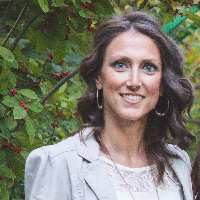
Heidi Herrick-Lynn
LPC
New Jersey - 27yrs exp



















How DBT Approaches Self Esteem
When you think about self esteem, you are looking at how you evaluate yourself, how you respond to setbacks, and how you handle relationships that influence your sense of worth. Dialectical Behavior Therapy or DBT addresses these patterns through clear, teachable skills rather than focusing only on talk therapy. DBT’s four core modules - mindfulness, distress tolerance, emotion regulation, and interpersonal effectiveness - each play a role in shifting the habits that maintain low self esteem.
Mindfulness helps you notice negative self-talk and automatic judgments without getting swept up in them. That awareness creates room to test the accuracy of harsh self-views. Distress tolerance gives you alternatives when you feel overwhelmed by shame, self-criticism, or the impulse to withdraw. Using these skills, you can tolerate hard moments without acting in ways that reinforce low self esteem.
Emotion regulation teaches you to identify, name, and modulate intense feelings that contribute to negative self-beliefs. When you can regulate emotions more effectively, you are less likely to accept self-deprecating narratives as facts. Interpersonal effectiveness helps you practice communicating needs and setting boundaries - abilities that influence how others respond to you and how you evaluate your social competence. Together, these modules give you practical tools to rewrite patterns that erode self esteem.
Finding DBT-Trained Help for Self Esteem in New Jersey
Searching for a DBT therapist in New Jersey means looking for clinicians who have training in DBT principles and experience applying them to self esteem issues. You may find therapists who offer individual DBT-informed therapy, DBT skills groups, or both. Some clinicians describe themselves as DBT-informed when they integrate core DBT strategies into other approaches, while others follow a more comprehensive DBT model with structured skills training and coaching access between sessions. When you look at listings, check for information about the therapist’s DBT training, years of clinical experience, and whether they lead skills groups.
Location matters for in-person work, so consider providers in major centers like Newark, Jersey City, Trenton, Princeton, and Hoboken if you prefer face-to-face sessions. If you live in a smaller New Jersey community, many therapists offer telehealth appointments that extend access across the state. You should also consider practical factors such as availability, fees, and whether the clinician accepts your insurance or offers a sliding-fee option.
What to Expect from Online DBT Sessions for Self Esteem
If you choose online DBT services, you will typically encounter three complementary elements - individual therapy, skills groups, and between-session coaching. In individual sessions you and your therapist work through personal patterns that sustain low self esteem. The therapist helps you apply DBT skills to real situations from your life and sets specific goals for skill practice.
Skills groups focus on teaching and rehearsing the techniques from the four DBT modules. In a group setting you can practice communication skills, try emotion regulation strategies, and receive feedback in a structured, supportive environment. Group formats are particularly useful when you want to see how your interactions affect your sense of self, and when you want concrete practice in interpersonal effectiveness.
Phone or messaging coaching between sessions - often called coaching or skills coaching - gives you real-time support for applying DBT skills during stressful moments. This component helps bridge the gap between learning a skill and using it when it matters most. Many therapists adapt these elements to suit online delivery, using video sessions, secure messaging portals, and digital materials for skills practice. If you prefer in-person connection, ask whether the therapist runs hybrid groups or local meetups in places like Newark or Hoboken.
Evidence and Clinical Support for Using DBT with Self Esteem Concerns
DBT was originally developed to address pervasive emotion dysregulation and behaviors that put people at risk, and over time its skills-based methods have been applied more broadly. Research supports DBT’s effectiveness for improving emotion regulation, reducing impulsive behaviors, and enhancing interpersonal skills - all of which are closely connected to self esteem. While self esteem itself is a multifaceted issue, the components targeted by DBT often lead to meaningful changes in how people perceive and value themselves.
Clinicians in New Jersey commonly draw on that body of research and on clinical experience when adapting DBT for self esteem work. You can expect therapists to use validated DBT techniques while tailoring interventions to your unique history and cultural context. Regional providers often combine DBT skills training with psychoeducation and practical exercises designed to strengthen self-compassion and build a more balanced self-assessment.
Tips for Choosing the Right DBT Therapist in New Jersey
Choosing the right therapist is a personal process, and a few concrete steps can help you find a good fit. Start by looking for clinicians who describe specific DBT training and who mention experience working with self esteem, shame, or related relational patterns. Read therapist profiles closely for information about the services they offer - individual sessions, skills groups, and coaching options - as well as their approach to telehealth and in-person work in cities such as Jersey City or Trenton.
Consider scheduling an initial consultation to get a sense of how the therapist communicates and whether their style feels respectful and attuned to your needs. During that conversation, you might ask about how they integrate DBT modules into work on self esteem, how they structure skills group sessions, and how they support skill application between appointments. Practical considerations matter as well - check availability, session length, fees, and whether they offer weekend or evening groups if you have a busy schedule.
Think about cultural and identity factors that are important to you. You may feel more comfortable with a clinician who has experience with your cultural background, gender identity, or life stage. If geography is a consideration, target providers in accessible locations like Newark or Princeton, or look for therapists who offer consistent telehealth hours. Ultimately, you want a clinician who blends DBT expertise with an approach that respects your values and goals.
Making the Most of DBT for Self Esteem
DBT is most effective when you actively practice skills outside of sessions. You should expect homework-like exercises, guided practice in skills groups, and opportunities to reflect on what works and what does not. Keep a written log of skills you try and the outcomes you notice. Over time, small, repeated changes in how you respond to criticism, failure, or rejection can shift your internal narrative about worthiness.
Be patient with the process. Changing long-standing beliefs about yourself takes time and deliberate practice. If you move from one therapist to another, look for continuity in the DBT skills you have learned so that your progress carries forward. In New Jersey’s diverse clinical landscape there are many therapists who can support this work - whether you prefer the urban context of Newark or the collegiate atmosphere around Princeton.
Next Steps
Use the listings on this page to explore DBT-trained therapists near you, read clinician profiles, and reach out for initial consultations. With guided practice in mindfulness, distress tolerance, emotion regulation, and interpersonal effectiveness, you can build practical skills that support a healthier, more grounded sense of self. Begin by contacting a therapist whose approach and availability match your needs, and take the first step toward skills-based work on self esteem.