Find a DBT Therapist for Coping with Life Changes in New Jersey
Find DBT therapists throughout New Jersey who focus on helping people cope with life changes. These clinicians use DBT's four skill modules - mindfulness, distress tolerance, emotion regulation, and interpersonal effectiveness - to support transitions; browse the listings below to find a clinician who fits your needs.

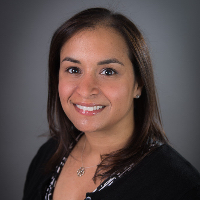
Barry Wasser
LCSW
New Jersey - 8yrs exp



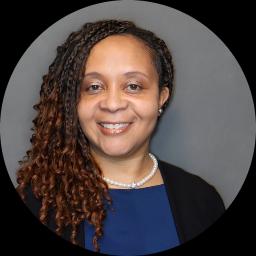
Heidi Herrick-Lynn
LPC
New Jersey - 27yrs exp


















How DBT Helps You Cope with Life Changes
If you are facing a major transition - a move, a relationship ending, a job change, becoming a parent, or adjusting after loss - DBT offers a structured, skills-based approach designed to help you navigate strong emotions and practical decisions. Rather than focusing only on insight, DBT teaches concrete skills you can practice daily. Mindfulness helps you notice what is happening in the moment without being swept away. Distress tolerance gives you tools to ride out intense feelings when things feel overwhelming. Emotion regulation helps you understand and shift patterns that make mood swings or intense reactions more likely. Interpersonal effectiveness provides strategies for setting boundaries, asking for what you need, and maintaining important relationships during transitions. When life changes test your coping reserves, these modules work together to reduce reactivity and increase your sense of agency.
What a DBT-Based Pathway for Change Looks Like
DBT treatment for life changes usually combines skill teaching with individualized support. In early sessions your therapist will learn about the specific change you are facing, your current coping patterns, and any immediate stressors or safety concerns. You and your clinician then identify clear, achievable goals - for example stabilizing sleep, reducing arguments, or practicing a new routine after a relocation. From there you will learn relevant skills and apply them to real-world situations. Progress is measured in terms of skill use and how well you handle the demands of the transition, not just how you feel in the moment. Over time, you build a toolkit that can be used again when future disruptions arrive.
Finding DBT-Trained Help in New Jersey
When you search for DBT therapists in New Jersey, look for clinicians who explicitly describe DBT training or experience applying DBT skills to life transitions. Many therapists offer hybrid care that includes in-person sessions in larger hubs and remote appointments for people across the state. If you live near Newark or Jersey City you may have access to several in-person DBT programs; in smaller centers like Trenton or suburban areas, individual clinicians who are DBT-trained often offer teletherapy as well. Pay attention to whether a therapist provides skills training groups in addition to individual sessions - that group component is a central part of the DBT model and can be especially helpful when you want to practice new behaviors in a supported setting.
What to Expect from Online DBT Sessions for Life Changes
Online DBT typically mirrors the in-person model while offering greater scheduling flexibility. You can expect a combination of individual therapy sessions focused on your personal goals, weekly skills group sessions where you learn and rehearse DBT skills, and the option of between-session coaching to help apply skills in real time. Individual sessions are the place to tailor skills to your transition - for example customizing distress tolerance techniques for parenting demands or using interpersonal effectiveness skills to navigate conversations with a former partner. Skills groups teach the modules in a classroom-like format with opportunities to role-play and receive feedback. Coaching between sessions is practical - it helps you generalize what you learn so that moments of crisis or decision feel more manageable. Many therapists in New Jersey offer all three elements through teletherapy, which makes it easier to access consistent care if you have a busy schedule or live outside major cities.
Research and Evidence for DBT in Addressing Life Transitions
DBT was developed as a skills-based approach that combines behavioral strategies with acceptance-based practices, and research has shown it to be effective for improving emotion regulation and interpersonal functioning. While much of the original research focused on populations with specific clinical needs, subsequent studies and clinical practice have illustrated how DBT skills help people manage distress during major life changes. Clinical programs and therapists across New Jersey incorporate these evidence-based skills to help clients create stable patterns of behavior when routines are disrupted. When evaluating a therapist, ask how they adapt DBT principles to transitions and what outcomes you can expect for your particular situation.
Practical Tips for Choosing the Right DBT Therapist in New Jersey
Start by clarifying what matters most to you - is it evening availability, in-person sessions in a nearby city, a therapist who runs skills groups, or someone experienced with specific life events such as caregiving, relocation, or career change? Look for therapists who clearly explain how they use DBT to address transitions and who can describe how they integrate the four skill modules into treatment. If in-person meetings matter, check options in Newark, Jersey City, or other nearby urban centers; if flexibility is a priority, prioritize clinicians who offer telehealth and group sessions online. Ask about the structure of treatment - whether they provide individual therapy plus skills training and how they handle between-session support - so you understand how your care will feel week to week. Fees, insurance participation, sliding-scale availability, and session length are practical details to confirm early on so you can choose a clinician who fits the logistics of your life.
Preparing for Your First Sessions
Before your first session, consider what specific changes are most distressing and which situations you would most like to handle differently. Bring examples - recent conversations, decisions you are postponing, or days when coping felt especially hard. Your therapist will ask about recent patterns and help you set focused goals, then introduce core DBT strategies that match those goals. Many people find it helpful to approach the first few weeks as a period of skill learning and experimentation, practicing one or two techniques at a time until they feel more natural. Expect the process to be collaborative - your input will guide which skills are emphasized and how they are applied to your life.
When Location and Accessibility Matter
If you are near major New Jersey centers such as Newark, Jersey City, or Trenton, you may have more choices for in-person DBT groups and clinics. In suburban and rural areas, teletherapy expands access to clinicians who specialize in DBT and life transitions. Consider whether you prefer a therapist who offers in-person meetings in a local office or someone who provides consistent remote sessions. Either format can be effective when the clinician is trained in DBT and experienced in helping people apply skills to real-world transitions.
Making the Most of DBT for Your Transition
DBT is practical by design - the goal is not only to feel better in the moment but to build sustainable habits that make future shifts easier to handle. You can maximize progress by practicing skills between sessions, bringing examples from daily life to therapy, and being open about which techniques feel most helpful or which need adjusting. Over time you should notice greater clarity in decision making, reduced intensity of emotional reactions, and improved interactions with others - outcomes that support smoother navigation of life changes. Begin by exploring the therapist listings below, request a brief consultation to assess fit, and choose a clinician who explains how DBT will be applied to your particular transition.