Find a DBT Therapist for Codependency in New Jersey
This page lists DBT-trained clinicians across New Jersey who specialize in treating codependency with a skills-based approach. Profiles highlight DBT-informed individual therapy, skills training, and coaching options available in the state. Browse the therapist listings below to find a clinician whose approach and availability match your needs.

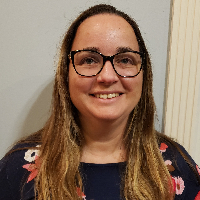
Barry Wasser
LCSW
New Jersey - 8yrs exp






















How DBT approaches codependency
If you struggle with codependency you may recognize patterns of people-pleasing, difficulty setting limits, or a tendency to prioritize others at the expense of your own needs. Dialectical Behavior Therapy places emphasis on teaching concrete skills that help you notice those patterns, tolerate difficult feelings, regulate emotional intensity, and strengthen more effective ways of relating. DBT is organized around four skill modules - mindfulness, distress tolerance, emotion regulation, and interpersonal effectiveness - and each offers tools that map directly onto common codependent behaviors.
Mindfulness helps you develop greater awareness of urges, automatic reactions, and the moments when you default to caretaking or avoidance. That awareness is the first step in making different choices. Distress tolerance provides strategies to get through acute emotional crises without reverting to old patterns - for example, learning short-term coping methods so you can refrain from rescuing another person to soothe your own anxiety. Emotion regulation teaches you how to identify and change patterns of emotional response that drive people-pleasing or withdrawal. Interpersonal effectiveness focuses on communication, boundary-setting, and asserting your needs while maintaining relationships. Together these modules help you move from reactive relational patterns to deliberate, values-aligned choices.
Finding DBT-trained help for codependency in New Jersey
When searching for DBT support in New Jersey you will find clinicians working in urban centers, suburban clinics, and online. Cities such as Newark, Jersey City, Trenton, Princeton, and Hoboken have practitioners offering DBT-informed care, and many clinicians provide telehealth across the state so geography is less of a barrier. Look for therapists who describe specific DBT training or ongoing consultation in their profiles, and who outline how they adapt DBT skills to treat relationship-focused concerns like codependency.
Licensing and clinical experience are practical considerations. While DBT certification is one marker of specialized training, many therapists acquire DBT skills through workshops, consultation teams, and supervised practice. You may prefer a clinician who runs standard DBT programs with weekly skills groups and individual therapy, or you might find a therapist who integrates DBT techniques into a tailored, shorter-term approach focused on relationship patterns. Pay attention to whether skills groups are offered in-person in areas like Newark and Princeton or online, which can be helpful if you live in a different county or have a busy schedule.
What to expect from online DBT sessions for codependency
Online DBT for codependency typically follows the same structure as in-person care, combining individual therapy with skills training and between-session coaching. In individual sessions you will work with a clinician on your personal goals, identify the behaviors that maintain codependent patterns, and practice applying DBT skills to real-life relationship situations. Skills groups teach the four DBT modules in a classroom-style format where you learn and rehearse techniques such as mindfulness exercises, emotional regulation strategies, and scripts for assertive communication.
Many DBT programs also offer coaching or phone-style support for moments when intense urges or interpersonal crises arise. This coaching is designed to help you use a specific skill in the moment so that you can avoid reverting to longtime habits. Online delivery can make it easier to join a skills group if sessions are scheduled in the evening or if you live outside major hubs like Jersey City or Hoboken. To make the most of virtual therapy, arrange a quiet, comfortable environment for sessions, test video and audio beforehand, and treat online appointments with the same routine and commitment as in-person meetings.
Evidence and clinical practice considerations
DBT was originally developed for emotion dysregulation and has amassed research support for reducing self-destructive behaviors and improving interpersonal functioning. While research on codependency as a distinct diagnosis is more limited, the components of DBT directly target the mechanisms that underlie codependent patterns - difficulties with emotion regulation, poor distress tolerance, and ineffective interpersonal strategies. Clinicians in New Jersey often adapt DBT skills to focus on relationship dynamics, boundary-setting, and rebuilding a sense of self outside of caregiving roles.
In applied settings across the state, therapists report good outcomes when clients commit to skills practice and the structure of DBT - regular individual sessions, consistent skills group attendance, and the use of coaching when needed. If your situation involves compounding issues such as substance use, mood disorders, or trauma, a DBT-trained clinician can often work collaboratively with other providers or integrate evidence-informed approaches while maintaining a skills-based focus on codependency.
Tips for choosing the right DBT therapist in New Jersey
Choosing a therapist is a personal decision and there are practical factors that can help you narrow options. Start by reviewing clinician profiles for explicit DBT training and experience with relationship-focused concerns. Read how therapists describe their approach - some run standard DBT programs with formal skills groups and team consultation, while others integrate DBT skills into flexible, individualized care. Consider whether you prefer in-person sessions in locations like Trenton or Princeton, or the convenience of telehealth if travel is a barrier.
Ask about group format, size, and attendance expectations because skills groups are a core part of DBT. Inquire how the therapist handles coaching outside scheduled sessions and what kind of between-session support is offered. Discuss practicalities such as insurance, sliding scale fees, and scheduling to ensure the therapy plan fits your life. It is also reasonable to ask about cultural competence and experience working with clients whose identities and relational contexts may mirror your own.
Questions to bring to an initial consultation
When you contact a therapist for a consultation, be prepared to describe the patterns that bring you to therapy, what you hope to change, and any logistical needs you have. Ask how the clinician would apply the DBT modules to your goals, what a typical week of treatment looks like, and how progress is tracked. You can also ask whether they run skills groups and how long a typical program lasts in their practice. An initial conversation will give you a sense of whether the clinician’s style and structure fit your preferences.
Moving forward in New Jersey
Pursuing DBT for codependency is about building new habits of attention, tolerance, regulation, and interaction so that relationships become a source of balance rather than depletion. Whether you live in a busy city like Newark or a smaller town near Princeton, the DBT approach offers concrete tools that you can practice between sessions and apply directly to difficult relational moments. Use the listings on this page to compare training, formats, and availability, and reach out to clinicians for brief consultations until you find someone whose approach resonates with you.
Taking the first step can feel challenging, but many people find that learning and practicing DBT skills brings greater clarity about needs and boundaries, reduces reactivity in relationships, and supports more satisfying connections over time. If you are ready to explore a skills-based path to changing codependent patterns, start by contacting a DBT-trained therapist whose offerings match your goals and schedule.