Find a DBT Therapist in New Jersey
Welcome to our New Jersey DBT therapist listings. All clinicians shown here are licensed and trained in Dialectical Behavior Therapy, offering online appointments to residents across the state. Explore the profiles to compare specialties, approaches, and availability.

Barry Wasser
LCSW
New Jersey - 8yrs exp



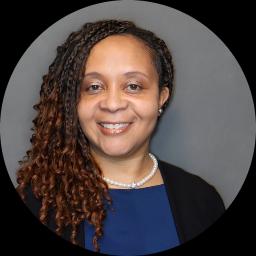
Heidi Herrick-Lynn
LPC
New Jersey - 27yrs exp



















DBT therapy availability in New Jersey
If you are looking for DBT-trained clinicians in New Jersey, you will find that availability has expanded considerably with the growth of telehealth. Many therapists who specialize in Dialectical Behavior Therapy offer remote sessions so you can connect from your home, workplace, or another convenient location within the state. Services include individual therapy, skills training groups delivered online, and combinations of both. Because DBT is a structured, skills-based approach, it adapts well to virtual formats while preserving the focus on behavior change and emotional learning that defines the model.
When searching, you can expect to encounter therapists with a range of professional backgrounds - licensed clinical social workers, licensed professional counselors, psychologists, and marriage and family therapists - all trained in the DBT model. They may offer comprehensive DBT programs that include individual therapy, skills coaching, and group skills classes, or they may integrate DBT techniques into a broader treatment plan tailored to your needs.
Benefits of online DBT for New Jersey residents
Online DBT removes many common barriers to care, making it easier for you to fit treatment into a busy schedule or to reach specialists who are not nearby. You can access therapists across different counties without a lengthy commute, which is especially helpful if you live in a rural or underserved area of New Jersey. Virtual sessions also allow for more flexible scheduling and can reduce time spent traveling or waiting in clinic lobbies.
DBT's emphasis on skills practice fits naturally into online work. Your therapist can share worksheets, video demonstrations, and guided mindfulness exercises during a session. If you find that connecting in person increases your stress or is logistically difficult, online DBT gives you a practical alternative that still maintains structured skills training and consistent therapeutic support. Additionally, many clinicians use telehealth tools to extend practice between sessions through messaging or emailed exercises - always aligned with professional boundaries and clinical ethics.
Common issues DBT therapists in New Jersey treat
DBT-trained therapists commonly work with people experiencing intense emotion dysregulation, patterns of self-harm or suicidal thoughts, and relationship difficulties that stem from reactive behavior. The model was originally developed for people diagnosed with borderline personality disorder, but clinicians now apply DBT across a broader range of presentations. You may seek DBT for help managing anxiety that triggers impulsive reactions, for addressing recurring self-injury, or for learning skills to navigate conflict and maintain healthier attachments.
Because DBT targets behavioral patterns and teaches concrete skills, it is also used to support people coping with mood disorders, co-occurring substance use challenges, trauma-related symptoms, and high emotional reactivity. Therapists trained in DBT focus on reducing harmful behaviors, strengthening coping strategies, and building fulfilling interpersonal connections. If your difficulties interfere with daily functioning or relationships, a DBT-trained clinician can help you develop practical tools and a treatment plan that matches your goals.
How DBT skills training works in an online format
Mindfulness
Mindfulness in DBT teaches present-moment awareness and nonjudgmental observation of thoughts and feelings. Online sessions can include guided mindfulness practice led through video, with your therapist coaching simple exercises you can use between meetings. You can learn to notice automatic reactions and to bring attention back to the present using brief, practical practices that translate well to a remote setting.
Distress tolerance
Distress tolerance skills help you survive crises without making things worse. In virtual DBT work, your therapist can demonstrate grounding techniques, distraction strategies, and short-term crisis management tools. You will practice applying these skills to real-life situations and review how they worked during follow-up sessions, which supports skill generalization outside the therapy hour.
Emotion regulation
Emotion regulation training teaches you to identify emotions, reduce their intensity, and increase behaviors that lead to better outcomes. Online therapy allows for role-play, use of worksheets, and guided behavioral experiments that test new responses to strong feelings. Your therapist will help you track patterns of reactivity and build step-by-step plans to shift habitual responses over time.
Interpersonal effectiveness
Interpersonal effectiveness focuses on communication, boundary-setting, and relationship goals. Through video sessions you can practice assertive communication and receive immediate feedback from the therapist. Skills coaching can be integrated into sessions to rehearse conversations, refine strategies for preserving relationships, and prioritize personal needs while respecting others.
How to verify a therapist's license in New Jersey
Verifying a clinician's license is an important step before beginning therapy. You can confirm licensure through the New Jersey state licensing portal managed by the division that oversees health profession boards. Search by the therapist's full name or license number to view current status, expiration date, and any public disciplinary actions. If you are unsure which licensing board applies, ask the clinician directly whether they are licensed as a clinical social worker, professional counselor, psychologist, or marriage and family therapist and then check the corresponding board's records.
In addition to verifying licensing status you can ask about DBT-specific training, such as completion of formal DBT training modules, supervision under an experienced DBT clinician, or ongoing consultation. Reputable therapists will be willing to discuss their education, years of DBT practice, and whether they follow a standard DBT program model that includes skills training and individual therapy.
Tips for choosing the right DBT therapist in New Jersey
Choosing a therapist is a personal decision and it helps to clarify what you want from treatment before you contact clinicians. Consider whether you prefer a therapist who focuses exclusively on DBT or one who integrates DBT with other approaches. Think about logistical needs - for example the times you can reliably attend online sessions, whether you want occasional skills groups in addition to individual therapy, and what forms of payment or insurance you will use.
When you review profiles, look for clear information about DBT training and the types of issues the therapist commonly treats. Initial consultations are useful for assessing fit; during these conversations you can ask how the therapist structures DBT work online, how they support skill practice between sessions, and what you can expect in the first few months of therapy. Pay attention to how they explain the DBT modules and whether their explanations feel practical and understandable to you.
It can also be helpful to ask about measures of progress. Some DBT clinicians use routine outcome monitoring to track changes in behavior and emotion regulation, which can help you and your therapist evaluate what is working. If you have concerns about cost, ask about sliding scale options, whether the clinician accepts your insurance, and whether they offer reduced-fee groups or other alternatives.
Taking the next step
Finding a DBT-trained online therapist in New Jersey involves both practical checks and a sense of personal fit. Use the listings to compare training, specialties, and session formats, verify licensure through the state portal, and schedule initial conversations with clinicians who seem aligned with your needs. Starting DBT is a collaborative process - with the right therapist you will learn skills that can help you manage intense emotions, handle crisis moments more effectively, and build healthier relationships over time. When you are ready, reach out for a consult and take the next step toward care that matches your goals.
Browse Specialties in New Jersey
Mental Health Conditions (29 have therapists)
Addictions
29 therapists
ADHD
28 therapists
Anger
43 therapists
Bipolar
31 therapists
Depression
58 therapists
Disruptive Mood Dysregulation Disorder (DMDD)
10 therapists
Dissociation
13 therapists
Domestic Violence
20 therapists
Eating Disorders
15 therapists
Gambling
7 therapists
Grief
42 therapists
Guilt and Shame
46 therapists
Impulsivity
38 therapists
Isolation / Loneliness
47 therapists
Mood Disorders
46 therapists
OCD
20 therapists
Panic Disorder and Panic Attacks
41 therapists
Personality Disorders
20 therapists
Post-Traumatic Stress
38 therapists
Postpartum Depression
17 therapists
Seasonal Affective Disorder (SAD)
29 therapists
Self Esteem
52 therapists
Self-Harm
21 therapists
Sexual Trauma
23 therapists
Sleeping Disorders
15 therapists
Smoking
8 therapists
Social Anxiety and Phobia
48 therapists
Stress & Anxiety
58 therapists
Trauma and Abuse
48 therapists