Find a DBT Therapist for Trauma and Abuse in New Hampshire
This page connects you with DBT clinicians across New Hampshire who specialize in trauma and abuse and use a skills-based approach to support healing. Browse the practitioner profiles below to compare experience, training, and treatment options in your area.
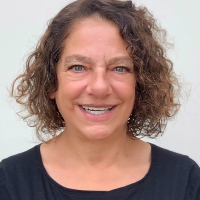


Ross Davidson
LCMHC
New Hampshire - 19yrs exp








How DBT addresses trauma and abuse
Dialectical Behavior Therapy adapts well to the complex aftermath of trauma and abuse because it combines clear behavioral strategies with an emphasis on acceptance and change. In DBT you will learn and practice four core skill modules - mindfulness, distress tolerance, emotion regulation, and interpersonal effectiveness - that help you manage symptoms that often follow traumatic experiences. Rather than focusing only on narrative exposure, DBT gives you concrete tools to reduce overwhelming reactivity, stabilize daily functioning, and strengthen relationships, which can be especially valuable when past abuse has left you feeling hypervigilant or disconnected.
Mindfulness helps you notice your internal experience without reacting automatically. Distress tolerance equips you to get through crisis moments without making impulsive choices that may worsen things. Emotion regulation teaches you to identify emotions, reduce their intensity, and respond in ways aligned with your values. Interpersonal effectiveness supports rebuilding trust and asserting needs while keeping relationships safer. When these skills are woven into trauma-focused care, they create a practical framework to support safety, symptom reduction, and gradual processing.
Mindfulness and grounding
In therapy you will practice simple mindfulness exercises that teach you to orient to the present moment and to bodily sensations. For some people who have experienced abuse, grounding techniques provide an immediate way to shift attention out of traumatic memories and into the here-and-now. You will learn ways to notice triggers and to create short anchor practices you can use before, during, and after distressing memories or reminders.
Distress tolerance for crisis moments
DBT offers a range of distress tolerance tools that are designed to help you survive high-intensity moments without resorting to behaviors that feel harmful or regretful. Those skills are especially practical when trauma-related flashbacks, panic, or intense shame arise. The focus is on getting through the moment while limiting harm and preserving emotional resources so you can return to calmer, more reflective work.
Emotion regulation for intense feelings
One frequent goal in DBT is to reduce the frequency and intensity of extreme emotional reactions that can follow abuse. You will learn how to identify emotion patterns, use techniques to shift physiology, and build routines that support mood stability. Over time, improved emotion regulation can make it easier to engage in trauma processing and to tolerate the discomfort that sometimes comes with working through painful memories.
Interpersonal effectiveness and boundary work
Trauma and abuse often change how you relate to others - you may find it hard to trust, to speak up, or to set limits. DBT’s interpersonal effectiveness skills give you language and strategies to communicate clearly, to negotiate needs, and to protect your boundaries. Practicing these skills with a therapist can help you rebuild confidence in relationships, whether you are navigating family dynamics, friendships, or intimate partnerships in Manchester, Nashua, Concord, or smaller communities across the state.
Finding DBT-trained help for trauma and abuse in New Hampshire
When searching for DBT clinicians in New Hampshire, look for practitioners who describe specific DBT training and who incorporate the four skills modules into their trauma work. Many therapists combine DBT with trauma-focused therapies or use DBT adaptations designed for post-traumatic symptoms. You can check therapist profiles for details on training, whether they run structured skills groups, and whether they offer a combination of individual therapy and coaching. In urban centers like Manchester and Nashua you may find more clinicians offering full DBT programs, while in rural areas you might identify therapists who integrate DBT strategies into individualized treatment plans.
Licensure and local experience matter. Ask about a therapist’s experience with trauma and abuse, their approach to safety planning, and how they support clients between sessions. If you have preferences around cultural competence, age range, or experience with co-occurring challenges such as substance use or mood disorders, look for clinicians who explicitly list those specialties.
What to expect from online DBT sessions for trauma and abuse
Online DBT can be an effective way to access trained clinicians across New Hampshire, particularly if you live outside Manchester, Nashua, or Concord. Expect a combination of individual therapy, skills training groups, and coaching support depending on the program. Individual sessions typically focus on building a treatment plan, applying skills to your life, and addressing problems that interfere with day-to-day functioning. Skills groups provide structured teaching and practice of the mindfulness, distress tolerance, emotion regulation, and interpersonal effectiveness modules. Coaching - often available between sessions - helps you apply skills to real-world situations when you need immediate guidance.
Telehealth sessions follow similar rhythms to in-person therapy but may require attention to practical considerations - finding a quiet, comfortable environment where you can speak openly, checking connectivity, and agreeing on emergency protocols with your clinician. Therapists will typically discuss how to manage crisis situations remotely and make clear plans for in-person or local support if needed. Online DBT can broaden access to specialized programs while still offering the structure and skill-building that define the approach.
Evidence supporting DBT for trauma-related difficulties
DBT was originally developed for emotion dysregulation and self-harm behaviors, but clinicians and researchers have adapted its principles to address trauma and abuse. Many therapists integrate DBT skill training with trauma-focused interventions to reduce reactivity and increase readiness for processing difficult memories. Research and clinical experience suggest that teaching distress tolerance and emotion regulation skills first can make trauma-focused work more tolerable and effective for many people. While outcomes depend on individual needs and the specific program, the skills-based framework offers a clear pathway to stabilizing symptoms and improving daily functioning before, during, and after trauma processing.
Tips for choosing the right DBT therapist in New Hampshire
Start by clarifying your goals - are you seeking stabilization, trauma processing, relationship repair, or a combination of these? Ask potential therapists about their DBT training, whether they run skills groups, and how they adapt DBT for trauma and abuse. Inquire about experience with issues commonly associated with trauma, such as sleep disturbance, dissociation, or substance use. Consider practical factors like availability, mode of sessions - in-person or telehealth - and whether they accept your insurance or offer sliding scale fees.
Compatibility matters as much as credentials. During an initial consultation pay attention to how the therapist describes their approach to safety planning, how they explain the role of skills practice between sessions, and whether you feel heard when you describe your history. If you live near Manchester, Nashua, or Concord you may have more program options to compare. If you prefer remote care, ask about group schedules and whether group membership is required for certain DBT programs.
Preparing for your first DBT session
Before your first appointment consider what you most want to change and what has helped or hindered you in the past. Bring any relevant history such as previous therapy notes or lists of current medications if that feels appropriate. Be ready to discuss immediate safety concerns and to collaborate on a plan for crisis times. Expect the therapist to ask about symptoms, day-to-day functioning, and the ways trauma and abuse have shaped your relationships and coping strategies. You will likely start with practical skill-building and a plan for how therapy will proceed.
Finding a DBT clinician who aligns with your needs can make a meaningful difference in how you manage trauma-related symptoms and rebuild a life shaped less by past harm and more by your chosen values. Use the listings on this page to compare clinicians, review training and services, and reach out to start a conversation that fits your pace and preferences.