Find a DBT Therapist for Stress & Anxiety in New Hampshire
This directory page helps you find DBT clinicians in New Hampshire who specialize in treating stress and anxiety with a structured, skills-based approach. Browse the practitioner profiles below to compare training, services, locations, and telehealth options across Manchester, Nashua, Concord, and beyond.
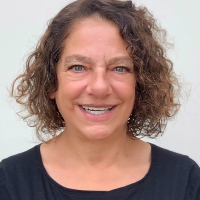


Ross Davidson
LCMHC
New Hampshire - 19yrs exp









How DBT addresses stress and anxiety
Dialectical Behavior Therapy is built around teaching practical skills you can use when stress and anxiety feel overwhelming. Rather than focusing only on talk therapy, DBT emphasizes learning and practicing specific tools that change how you respond to worry, panic, racing thoughts, and situations that trigger chronic tension. You will usually work with a clinician to notice patterns that keep anxiety active and then practice techniques that interrupt those patterns so you can respond in a calmer, more intentional way.
The four DBT skill modules - mindfulness, distress tolerance, emotion regulation, and interpersonal effectiveness - each offer distinct ways to reduce the impact of stress and anxiety. Mindfulness helps you become aware of anxious thoughts and bodily sensations without getting pulled into them, which can reduce reactivity and rumination. Distress tolerance gives you short-term strategies to cope when anxiety spikes - techniques you can use in the moment to ride out intense feelings without making the situation worse. Emotion regulation teaches you how to understand and shift strong emotions over time so they are less likely to trigger prolonged anxiety. Interpersonal effectiveness helps you navigate relationships and boundary-setting, which is often a primary source of chronic stress. Taken together, these skills create a toolkit that supports daily living, work demands, and relationships.
Finding DBT-trained help in New Hampshire
When you begin searching for a DBT therapist in New Hampshire, you will find clinicians offering different levels of DBT training and different service models. Some clinicians practice full-model DBT, which includes individual therapy, skills groups, and coaching between sessions. Others incorporate DBT-informed techniques into individual or group work without offering the full program. As you review profiles, look for information about specific DBT training, years of experience working with stress and anxiety, and whether the clinician runs skills groups or supports skills practice between sessions.
Location matters for in-person services, so consider options in your region. Manchester and Nashua tend to have a broader range of clinicians and group offerings, while Concord and smaller communities may provide strong individual clinicians and telehealth options that extend access. If you prefer evening or weekend groups, check availability in larger cities first and ask whether clinicians maintain waitlists for group enrollment. Many therapists also offer hybrid models that combine occasional in-person meetings with online sessions, which can make it easier to fit a skills group into your schedule.
Questions to ask when contacting clinicians
When you reach out to a potential DBT clinician, ask about the model they use - whether they offer full-model DBT or DBT-informed treatment - and how they apply skills specifically to stress and anxiety. Ask how they structure skills training, how often groups meet, and whether they include between-session coaching or check-ins to support practice. It is also useful to ask how they measure progress and what a typical early treatment plan might include for someone seeking relief from anxiety.
What to expect from online DBT sessions for stress and anxiety
Online DBT services in New Hampshire often follow the same structure as in-person care, with adaptations for video and phone formats. You can expect individual therapy sessions focused on case formulation, goal-setting, and applying DBT skills to the events and patterns that fuel your anxiety. Skills groups delivered online will teach the four DBT modules in a group format, where you learn skills, practice exercises, and hear how others apply techniques - all of which can normalize your experience and expand your toolkit.
Many online DBT programs also offer between-session coaching by phone or secure messaging, intended to help you use skills in real-world moments of stress. If coaching is part of the program, clarify how it is provided - for example, whether it is time-limited, available during business hours, or intended for crisis support. A helpful clinician will explain how coaching supports skills practice rather than replacing ongoing therapy. Online sessions can make it easier to attend regular skills groups if you live outside major urban centers or have scheduling constraints, and they allow you to practice techniques in the home or work settings where stress usually arises.
Evidence and outcomes for DBT and anxiety
DBT was originally developed for problems involving intense emotions and self-harm, but over the years clinicians and researchers have adapted its skills-based approach to address stress and anxiety in a range of settings. Research indicates that specific DBT skills - such as mindfulness and emotion regulation - can reduce symptoms associated with anxiety and improve daily functioning. Clinical studies and practice reports have shown beneficial effects when DBT skills are taught to people with generalized worry, panic symptoms, health anxiety, and stress-related interpersonal difficulties.
When considering evidence, keep in mind that the most robust findings relate to structured DBT programs and well-implemented skills training. If you are looking for measurable change, ask clinicians how they track progress and whether they use symptom checklists or outcome measures during treatment. Local clinicians in New Hampshire often combine empirically supported DBT techniques with practical problem-solving tailored to your life, and many have experience helping clients apply skills to work stress, family conflict, and transitions that trigger heightened anxiety.
Tips for choosing the right DBT therapist in New Hampshire
Selecting a clinician is as much about fit as it is about credentials. When you review profiles and speak with clinicians, notice whether they explain how DBT skills fit with your goals for reducing stress and anxiety. Choose someone who describes concrete ways to apply mindfulness, distress tolerance, emotion regulation, and interpersonal effectiveness to the situations that cause you the most difficulty. Consider whether you prefer a therapist who offers a structured skills group, more frequent individual sessions at the start of treatment, or ongoing coaching for practice between sessions.
Practical considerations matter too. Think about how far you are willing to travel for in-person sessions or whether telehealth is essential for your schedule. If you live near Manchester, Nashua, or Concord you may have more group options and evening appointments, while more rural areas often rely on telehealth to connect with clinicians. Ask about insurance, sliding scale fees, cancellation policies, and how quickly you could begin a skills group if that is a priority. Finally, trust your instincts during an initial consultation - a clinician who listens carefully, offers clear explanations, and outlines a plan for skill practice is likely to be a strong match.
Preparing for your first appointment
Before your first session, think about a few recent examples when stress or anxiety affected you - at work, in relationships, or in daily routines. Note what you tried and what helped even a little. Bring these examples to your appointment so you can collaborate on a focused plan that targets the patterns that keep anxiety active. Be prepared to set small, measurable goals and to commit to practicing skills between sessions - consistent practice is where you will see the most change.
Closing thoughts
If you are ready to explore DBT for stress and anxiety in New Hampshire, use the listings above to compare clinicians in Manchester, Nashua, Concord, and other communities. A good DBT clinician will help you translate skills into real-life relief, balancing structured teaching with personalized application. Reach out to a few clinicians to ask about training, program structure, and how they tailor DBT skills to your specific stressors - those conversations will help you choose a therapist who can support steady progress toward calmer, more manageable days.