Find a DBT Therapist for Post-Traumatic Stress in New Hampshire
This page lists DBT therapists in New Hampshire who specialize in treating post-traumatic stress using a skills-based approach. Browse the DBT-focused listings below to find clinicians offering evidence-informed care across the state.
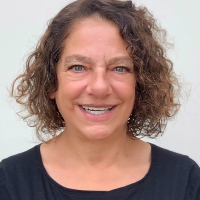

Ross Davidson
LCMHC
New Hampshire - 19yrs exp






How DBT approaches post-traumatic stress
When post-traumatic stress affects your day-to-day life, DBT offers a structured, skills-based path that helps you manage symptoms and rebuild functioning. Rather than focusing only on symptom reduction, DBT combines behavioral change strategies with skills training so you can respond differently to triggers, tolerate intense emotions, and reconnect with relationships and activities you value. The DBT model breaks work into practical components - mindfulness, distress tolerance, emotion regulation, and interpersonal effectiveness - that together create a coherent way to stabilize life while addressing the impacts of trauma.
Mindfulness and grounding
Mindfulness skills teach you how to notice present-moment experience without judgment. For post-traumatic stress, that often means learning to observe images, memories, or bodily sensations when they arise, and to make room for them without immediately reacting. In practice you may learn grounding techniques to reorient attention in moments of flashback or crisis, noticing breath, sounds, or other immediate cues to reduce overwhelm. These skills can reduce the intensity of reactivity and give you more control over how you respond to trauma reminders.
Distress tolerance for crisis moments
Distress tolerance skills are specifically useful when you face intense emotions or crisis situations and need immediate strategies to stay safe and cope. These skills are not about solving the underlying trauma right away - they are about surviving the storm and getting through distressing episodes without making things worse. You will practice techniques that help you ride out panic, anger, or despair in ways that preserve your capacity to engage in longer-term therapeutic work.
Emotion regulation to rebuild balance
Emotion regulation work focuses on understanding the functions of emotions, reducing vulnerability to extreme states, and building strategies to shift your emotional experience over time. For someone with post-traumatic stress, this can mean developing routines that support sleep and mood, identifying early warning signs of escalation, and practicing targeted skills to reduce reactivity so you can engage in exposure or processing work when appropriate.
Interpersonal effectiveness and relationships
Trauma often changes how you relate to others - trust, boundaries, and communication can be impacted. Interpersonal effectiveness skills teach you to state needs, set limits, and maintain relationships in ways that respect your values and preserve safety. As you practice these skills you may find it easier to ask for support, advocate for yourself in clinical or legal settings, and rebuild social connections that contribute to recovery.
Finding DBT-trained help for post-traumatic stress in New Hampshire
Searching for a clinician who has specific DBT training and experience with trauma is an important step. In New Hampshire you can look for clinicians who advertise DBT specialization or who list skills group facilitation, trauma-informed DBT approaches, or experience integrating DBT with trauma-focused therapies. Urban centers such as Manchester, Nashua, and Concord often have clinicians and programs where DBT skills groups run regularly and where individual DBT-informed therapy is available. If you live outside those cities, many therapists in smaller towns offer telehealth care and hybrid options that connect you with DBT groups or individual therapists based in larger centers.
What to expect from online DBT sessions for post-traumatic stress
Online DBT for post-traumatic stress typically includes a combination of individual therapy, weekly skills groups, and between-session coaching. In individual sessions you and your therapist will set priorities for treatment, address life-interfering behaviors, and work on applying DBT skills to trauma-related patterns. Skills groups teach the four DBT modules in a classroom-style format where you can practice exercises and receive feedback. Coaching, often offered by phone or messaging, helps you apply skills in real time when distressing situations arise. When delivered online, this structure can be flexible - individual sessions may be weekly or biweekly, and groups may meet in the evening to accommodate work schedules. Most therapists will discuss technology needs, safety planning for crisis moments, and how to manage emotional intensity in a virtual setting so you feel prepared before starting.
Evidence and practical outcomes for DBT and trauma
DBT was originally developed for complex emotional dysregulation and has been adapted for trauma-related presentations where intense emotions, self-harming behavior, and interpersonal difficulties are prominent. Research and clinical practice suggest that DBT's emphasis on skills training and behavioral strategies can reduce self-destructive responses, improve emotional control, and support people as they engage in trauma processing or trauma-focused therapies. In community settings across states like New Hampshire, clinicians often pair DBT skills work with trauma-specific approaches to create a staged model of care - first building stability and coping, then addressing traumatic memories when you are better able to tolerate exposure and processing. Though individual outcomes vary, many people find that having a reliable set of skills helps them pursue deeper trauma work with more confidence.
Choosing the right DBT therapist in New Hampshire
When you assess potential therapists, look for clear information about how they apply DBT to post-traumatic stress. You can ask whether they use standard DBT structure - a combination of individual therapy, skills training, and coaching - and how they integrate trauma-focused techniques. Consider whether you prefer clinicians who run weekly skills groups, which can offer peer learning and regular practice, or one-on-one DBT-informed therapy if group settings feel too exposing initially. Practical considerations also matter - inquire about appointment availability, telehealth options if you live outside Manchester, Nashua, or Concord, and how the clinician handles crisis support between sessions. Trust your sense of rapport during an initial consultation; feeling heard and understood is a strong predictor of a productive therapeutic relationship.
Practical tips for the first sessions
Before the first session you may find it helpful to reflect on immediate safety concerns, recent patterns in mood or behavior, and concrete situations where symptoms interfere with work, relationships, or daily routines. Bring questions about the therapist's experience with DBT and trauma, how they structure skills training, and what a typical course of treatment looks like for someone with your concerns. If you plan to participate in skills groups, ask about group size, expectations for participation, and methods used to keep group members comfortable and supported. Finally, discuss how progress will be tracked and how adjustments will be made if a particular approach is not helping you move toward your goals.
Finding continuity and community in treatment
Recovery from post-traumatic stress commonly involves phases - initial stabilization, skills strengthening, and focused trauma work - and DBT is designed to support that progression. In New Hampshire you can find clinicians who will help you navigate those phases while connecting you to community resources, peer supports, and additional services as needed. Whether you live near Manchester, Nashua, Concord, or in a more rural area, a DBT-informed approach gives you a practical framework to manage symptoms now and to build the capacity for deeper healing over time.
If you are ready to explore DBT for post-traumatic stress, use the listings above to compare clinicians, read profiles for training details, and reach out to schedule an initial conversation. Taking that first step can help you find a clinician and a treatment plan that fit your needs and move you toward more steady, manageable days.