Find a DBT Therapist for Depression in New Hampshire
This page connects visitors with DBT-trained clinicians focusing on depression in New Hampshire. You will find therapists who emphasize a skills-based DBT approach to mood challenges across the state. Browse the therapist listings below to compare profiles and find a clinician who matches your needs.
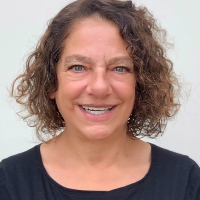


Ross Davidson
LCMHC
New Hampshire - 19yrs exp








How DBT approaches depression
If you are exploring treatment for depression, dialectical behavior therapy - DBT - offers a structured, skills-focused path that is often different from traditional talk therapy. DBT centers on teaching practical skills you can use in day-to-day life. Rather than focusing only on symptom relief, DBT helps you build tools for managing intense emotions, reducing impulsive reactions, improving relationships, and staying present when mood is low. Those skill sets are organized into four core modules - mindfulness, distress tolerance, emotion regulation, and interpersonal effectiveness - and each can play a distinct role when depression is part of the picture.
How the four DBT modules apply to depressive symptoms
Mindfulness helps you notice negative thought patterns and mood changes without getting swept up in them. That awareness can create breathing room when you are stuck in rumination or hopeless thinking. Distress tolerance focuses on short-term strategies to get through acute periods of crisis or overwhelming emotion without making decisions you later regret. Emotion regulation teaches techniques to reduce emotional vulnerability and increase experiences that improve mood over time, such as behavioral activation and breaking cycles of avoidance. Interpersonal effectiveness helps you express needs, set boundaries, and repair relationships - factors that often affect mood and day-to-day functioning.
Finding DBT-trained help for depression in New Hampshire
When you look for DBT providers in New Hampshire, you will find clinicians practicing across urban centers and smaller communities. Cities such as Manchester, Nashua, and Concord host clinicians and groups that offer DBT-informed care, while providers in more rural parts of the state may offer telehealth or hybrid services to increase access. It helps to look for therapists who specifically list DBT training and experience working with mood disorders or depressive symptoms. Some clinicians adopt a full DBT model - combining individual therapy, skills groups, and coaching - while others integrate DBT skills into a broader therapeutic approach. Consider whether you prefer a comprehensive DBT program or targeted skills work to support your goals.
What to expect from online DBT sessions for depression
Online DBT has become a common way to receive skills-based treatment, especially when travel or scheduling is a concern. If you choose remote sessions, you can expect a mix of individual sessions focused on tailoring DBT strategies to your life and group-based skills training that teaches the modules in a structured format. Individual sessions commonly focus on identifying current targets - specific behaviors or patterns you want to change - and coaching you through applying skills between sessions. Skills groups are often led by a clinician and provide a curriculum-based environment where you practice mindfulness, learn distress tolerance techniques, study emotion regulation strategies, and rehearse interpersonal skills with feedback from others.
Another element you may encounter is phone or text coaching between sessions, which is offered by some DBT programs to help you apply a skill during a moment of need. Coaching is intended to be practical and brief - a way to bridge therapy and everyday situations. If coaching is part of a clinician's model, ask about response expectations, boundaries around availability, and how coaching is included in your treatment plan. Many people find that the combination of individual attention, group learning, and on-the-spot coaching creates a sense of momentum and practical change.
Evidence and relevance in New Hampshire
Research indicates that DBT is effective for reducing behaviors related to emotional dysregulation and for helping people build coping strategies. While the bulk of the evidence has focused on certain diagnoses, clinicians adapt DBT skills to target depressive symptoms when those symptoms are connected to difficulties with emotion regulation and interpersonal functioning. In New Hampshire, providers draw on that evidence base while tailoring treatment to the local context - whether you live in a city like Manchester, commute from Nashua, or are based in Concord. Local clinicians often combine DBT skills with other evidence-informed practices to address sleep, activity levels, and social connection, all of which influence mood.
When assessing outcomes, you and your clinician will likely track changes in daily functioning, mood patterns, and the ability to use skills during stressful moments. Knowing that DBT emphasizes observable skills and measurable change can make it easier for you to assess progress over weeks and months, and to make adjustments when something is not working.
Tips for choosing the right DBT therapist in New Hampshire
Start by clarifying what you want from treatment. Are you looking for a full DBT program with skills groups and coaching, or do you prefer one-on-one therapy that incorporates DBT skills? Do you need weekend or evening appointments because of work or family obligations? Once you have priorities, review therapist profiles and reach out with specific questions. Ask about formal DBT training, whether the clinician practices individual DBT, leads skills groups, or offers between-session coaching. Inquire how the therapist measures progress, and what a typical treatment timeline looks like for depression-focused work.
Consider logistics as well. If you live near Manchester, Nashua, or Concord, you may have more in-person options; if you live in a more rural area, ask about telehealth policies and whether group sessions are offered remotely. Trust your sense of fit during an initial consultation - a therapist who communicates clearly about goals, teaches skills in a way that makes sense to you, and respects your pace is often a good match. It is also reasonable to ask how the therapist collaborates with other providers, such as primary care clinicians, when coordination of care is important to you.
Preparing for your first DBT sessions
Before you begin, think about what you want to change and what currently gets in the way. You may be asked to complete some paperwork or symptom questionnaires that help the clinician tailor the DBT plan. In early sessions, you can expect to learn about the DBT framework, set treatment targets, and begin practicing basic mindfulness and distress tolerance techniques. If you join a skills group, you will move through a structured curriculum that introduces each module and provides practice opportunities. The emphasis is on learning and repetition - skills become more effective the more you practice them in daily life.
DBT is collaborative and skill-oriented, and it asks you to try new ways of responding to mood and stress. If you commit to regular practice and honest conversation with your clinician, you can build a toolkit that supports more stable mood and clearer decision-making. Whether you find a clinician in a neighborhood near you or join a remote group that fits your schedule, DBT offers concrete strategies you can use right away to manage depressive symptoms and strengthen your capacity to cope.
Use the listings above to compare clinicians in New Hampshire, read profiles, and reach out for an initial conversation. A short call or consultation can help you determine if a therapist's DBT approach, availability, and style fit what you need to move forward.