Find a DBT Therapist for Bipolar in New Hampshire
Find DBT therapists in New Hampshire who specialize in supporting people with bipolar mood concerns. Each listing highlights DBT-based treatment - including mindfulness, distress tolerance, emotion regulation, and interpersonal effectiveness - so you can browse and contact providers below.
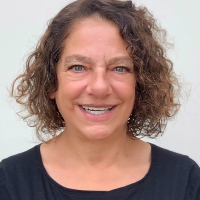


Ross Davidson
LCMHC
New Hampshire - 19yrs exp




How DBT addresses bipolar mood challenges
If you are living with bipolar mood patterns, you know how unpredictable shifts in energy, sleep, and emotions can make daily life feel unstable. Dialectical Behavior Therapy - DBT - approaches these challenges through skills-building rather than simply symptom reduction. DBT teaches practical strategies you can use in the moment and skills that change how you respond to stress over time. The treatment is organized around four skill modules - mindfulness, distress tolerance, emotion regulation, and interpersonal effectiveness - and each offers tools that map directly onto common bipolar concerns.
Mindfulness - noticing mood shifts early
Mindfulness in DBT helps you increase awareness of inner experience without judgment. For bipolar care, this means learning to notice subtle changes in thought patterns, sleep, activity level, or motivation before those changes escalate. When you can catch early signs of a mood swing, you have more options for adjusting routines, reaching out for support, or using coping strategies that reduce the risk of a full episode. Mindfulness skills also help you ground in the present when racing thoughts or depressive rumination increase.
Distress tolerance - getting through intense moments
Distress tolerance skills give you concrete ways to manage intense emotional states when immediate change is not possible. During a hypomanic or depressive surge, you may need techniques that help you tolerate discomfort while preventing impulsive decisions. DBT teaches calming strategies, distraction techniques, and crisis survival plans that you can use alone or with a support person. These skills are designed to reduce harm and maintain functioning until you can use emotion regulation approaches or seek additional care.
Emotion regulation - reducing reactivity and mood volatility
Emotion regulation skills in DBT focus on understanding the factors that drive intense emotions and on building habits that support more stable affect over time. You will learn to identify the function of emotions, increase positive experiences, and apply behavioral changes that influence mood biology indirectly - for example, through sleep hygiene, activity scheduling, and balanced decision-making. These strategies are practical ways to lower the frequency and intensity of mood swings without promising a cure.
Interpersonal effectiveness - managing relationships through ups and downs
Interpersonal effectiveness helps you maintain relationships and boundaries during mood changes. People with bipolar patterns often face strain in family, work, or social contexts when moods shift. DBT offers ways to communicate needs, say no, negotiate support, and repair ruptures. Strengthening these skills can reduce conflict during vulnerable periods and support a more predictable network of care across Manchester, Nashua, Concord, or smaller New Hampshire towns.
Finding DBT-trained help for bipolar in New Hampshire
When you begin searching for a DBT therapist in New Hampshire, it helps to look for providers who emphasize the skills modules described above and who have specific experience working with mood disorders. Some clinicians offer an integrated DBT approach adapted for bipolar mood patterns - focusing on mood tracking, collaboration with prescribers, and adapting skills to address mania and depression phases. You can search listings by location, availability of skills groups, and whether clinicians provide individual DBT alongside group training. In cities like Manchester, Nashua, and Concord you may find a mix of solo practitioners and clinic-based teams; in more rural areas therapists may offer telehealth to increase accessibility.
What to expect from online DBT sessions for bipolar
Online DBT often combines three core components - individual therapy, skills group training, and phone or messaging coaching - adapted to virtual formats. In individual sessions you will work with a clinician to apply DBT strategies to your current life, develop a stage-based plan, and coordinate with any medication prescribers if that is part of your care. Skills groups are a classroom-style setting where you practice mindfulness, distress tolerance, emotion regulation, and interpersonal effectiveness with a group and a trained leader. Many therapists now run these groups by video - they can fit more easily into your week if you live outside Manchester or Nashua.
Coaching between sessions is intended to help you apply skills in real time. In an online context coaching may be offered through scheduled check-ins or short messaging contacts to help you use a skill when a strong mood or high-risk moment arises. Policies about coaching frequency, response time, and boundaries vary, so it is important to ask about how your clinician handles in-the-moment support, what to do in a crisis, and how they coordinate care with local emergency resources in New Hampshire.
Evidence supporting DBT for bipolar
Research on DBT has primarily focused on personality disorders, but a growing body of work examines DBT-informed approaches for bipolar mood instability. Studies and clinical reports suggest that skills training can reduce impulsive behaviors, improve emotion regulation, and enhance functioning when used alongside psychiatric management. You should expect clinicians to present DBT as one component of a broader treatment plan - often alongside medication, lifestyle planning, and community supports. In New Hampshire, clinicians who adopt DBT for bipolar typically emphasize careful assessment, individualized treatment targets, and ongoing measurement of mood patterns so you can track progress together.
Tips for choosing the right DBT therapist in New Hampshire
Choosing a therapist is a personal decision. Start by asking about specific DBT training and how the clinician adapts the model for bipolar mood patterns. Ask whether they offer both individual and skills group formats and how they coordinate with prescribing clinicians if you take medication. Consider practical details like telehealth availability, evening group times if you work, and whether they have experience helping people manage the unique challenges of mood elevation and depression phases. If you live near Manchester, Nashua, or Concord, see whether onsite group options exist - otherwise confirm the quality of virtual groups and the platform they use.
In a first session you can expect to talk about your recent mood history, patterns that affect daily functioning, safety planning, and initial skills to try. A thoughtful DBT clinician will explain how the four modules apply to your goals and present a clear plan for skills training frequency and individual work. Treatment fit often comes down to how comfortable you feel with the clinician's style and whether you believe the skills taught can fit into your life.
Preparing for your first DBT appointment
Before your first appointment gather any relevant treatment history, a rough mood calendar if possible, and a list of current supports such as prescribers, friends, or family members involved in your care. Prepare questions about how the clinician measures progress, what a typical week in DBT looks like, and how they handle urgent needs outside session times. If you are balancing work or caregiving, discuss scheduling flexibility. Asking about fees, insurance options, or sliding scale availability will help you plan logistics so you can focus on learning skills once therapy begins.
Local considerations and ongoing care
New Hampshire offers a mix of urban and rural access points for DBT-informed care. In larger centers like Manchester, Nashua, and Concord you may find more group options and multi-disciplinary teams. In smaller communities clinicians often use telehealth to maintain consistent contact and to connect you with group training. Wherever you are in the state, effective DBT for bipolar usually involves collaboration - with prescribers, family or other supports, and sometimes with community resources. That network approach helps ensure skills training translates into safer, more manageable day-to-day living.
DBT is a skills-based path you can use to reduce reactivity, increase awareness, and improve relationships while living with bipolar patterns. By focusing on the four core modules and by selecting a therapist who adapts DBT to mood cycling, you can find a practical way to manage intense emotions and build a clearer plan for the future. Use the directory listings above to compare providers, review their approaches, and reach out with specific questions about DBT for bipolar - then choose the clinician who feels most aligned with your goals and needs.