Find a DBT Therapist for Relationship in Minnesota
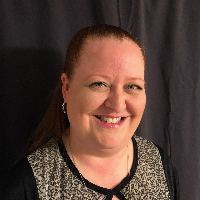
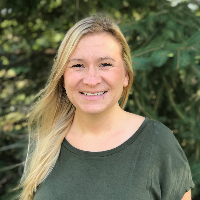
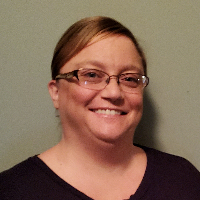
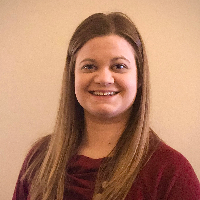
This page lists clinicians across Minnesota who use Dialectical Behavior Therapy to address relationship challenges. Profiles emphasize DBT training and a skills-based approach focused on connection and communication.
Browse the therapist listings below to compare training, availability, and approaches to relationship work in Minnesota.




James Powell
LICSW
Minnesota - 25yrs exp















How DBT Approaches Relationship Difficulties
If you are dealing with conflict, recurring patterns that damage trust, or intense emotional reactions in close relationships, DBT offers a practical, skills-focused path forward. DBT centers on four skill modules - mindfulness, distress tolerance, emotion regulation, and interpersonal effectiveness - each of which can address different relationship dynamics. Mindfulness helps you notice thoughts, feelings, and interaction patterns without immediately reacting. Distress tolerance teaches ways to ride out crises without making choices you may later regret. Emotion regulation gives you tools to reduce vulnerability to extreme emotions and to build positive emotional experiences. Interpersonal effectiveness focuses directly on the skills needed for asking for what you need, setting boundaries, and maintaining respect under stress. When these modules are taught together, you learn not only to manage intense feelings but also to transform how you relate to partners, family members, and close friends.
What DBT Looks Like in Relationship Work
DBT for relationship issues tends to combine individual therapy with skills training and in-the-moment coaching. In individual sessions you and your therapist will map out the patterns that cause problems - for example, how withdrawal, escalation, or demands emerge during conflict - and you will set concrete behavioral goals. Skills groups provide a structured environment where you practice mindfulness and interpersonal effectiveness with peers. Coaching between sessions helps you apply those skills when tensions arise in real life. This integrated approach aims to change both internal emotional responses and the outward interaction patterns that shape relationships.
Using Mindfulness and Interpersonal Effectiveness Together
Mindfulness creates the space to pause and observe, which makes interpersonal skills more effective. When you can step back and notice how your body and mind respond during an argument, you can use interpersonal effectiveness strategies to express needs in a clearer, calmer way. Many people find that this combination reduces reactivity and increases the chance of productive conversations rather than cycles of blame.
Finding DBT-Trained Help in Minnesota
When you search for a DBT therapist in Minnesota, consider both formal DBT training and relevant experience with relationship work. Ask prospective clinicians about how long they have used DBT, whether they offer both individual therapy and skills groups, and whether they provide coaching between sessions. You may want a therapist familiar with couple or family dynamics, or someone who focuses on individual skill-building before integrating partners into sessions. Availability varies between urban centers and smaller communities, so check profiles for clinicians based in Minneapolis, Saint Paul, Rochester, Duluth, and Bloomington as well as those offering statewide telehealth.
Licensing, clinical focus, and approach matter. A therapist who has completed DBT-focused training is more likely to structure treatment around the four modules and to balance acceptance strategies with change-oriented goals. During intake conversations, ask how the therapist measures progress in relationship work and how they adapt DBT skills for two-person dynamics. If you are working across distance, inquire about how they handle skills group participation and coaching by phone or video.
What to Expect from Online DBT Sessions for Relationship Work
Online DBT can be highly accessible for people across Minnesota, especially if you live outside Minneapolis or Saint Paul. Individual teletherapy sessions typically mirror in-person work: you will review recent interactions, identify skills to practice, and set behaviorally specific homework. Skills training groups online follow a curriculum that covers mindfulness, distress tolerance, emotion regulation, and interpersonal effectiveness, and they give you a chance to role-play and receive feedback. Many clinicians also offer coaching via text or phone to help you apply skills during high-stress moments. When done thoughtfully, online DBT can offer continuity and convenience while still providing live practice and real-time support.
Be prepared to ask about the structure of online services. Find out how group sessions are run, whether groups are closed or open enrollment, and how the therapist supports couples or family members when one or both attend sessions remotely. You can also ask about technical expectations, how materials are shared, and how skill practice is tracked between sessions.
Evidence and Clinical Experience Supporting DBT for Relationship Concerns
DBT was originally developed to target intense emotional dysregulation, and its skills have been widely adapted to help with relationship functioning. Research and clinical experience suggest that strengthening emotion regulation and interpersonal effectiveness skills can reduce conflict, improve communication, and increase relationship satisfaction over time. In Minnesota, clinicians working in clinics and private practices have integrated DBT skills into couple and family work, and many training programs emphasize applying DBT modules to interpersonal problems. While no single approach fits everyone, DBT’s structured, skills-oriented frame can be especially helpful when emotion-driven cycles or crises repeatedly undermine relationships.
Choosing the Right DBT Therapist for Relationship Work in Minnesota
Finding the right match often comes down to fit and clarity about goals. Think about whether you want a therapist who primarily uses DBT with occasional couple work, or a clinician who routinely integrates partners and family members into treatment. During initial inquiries, ask about the therapist’s experience addressing common relationship patterns you face - for instance, repeated withdrawal, escalating arguments, or fear of abandonment. Ask how they use each DBT module to support relationship goals and how they coordinate individual and group work. Practical considerations such as location, telehealth availability, scheduling, insurance, and sliding scale options also matter. If you live near Minneapolis or Saint Paul you may find more group options, while telehealth can increase access if you are in a smaller city like Rochester or Duluth.
Consider also whether you want a clinician who brings cultural competence and an awareness of community context to relationship work. DBT-informed therapists who understand local resources and cultural factors can tailor skills practice so it feels relevant and respectful. It is appropriate to ask about comfort with issues that matter to you, whether that involves sexual orientation, cultural identity, or family structure.
Preparing for Your First Sessions
Before your first appointment, think about a few specific relationship patterns you want to change and moments when difficulties most often arise. Be ready to discuss what you have tried and what felt helpful or unhelpful. Clear goals - such as reducing overnight arguments, improving listening during conflict, or learning to request help without escalating - make it easier for you and your therapist to select which DBT skills to prioritize. Expect to do practice outside sessions; DBT’s emphasis on real-world skill use is what helps new interaction habits take root.
Final Thoughts
DBT offers a practical framework for changing the habits that keep relationships stuck. By learning to observe reactions, tolerate distress, regulate intense emotions, and communicate more effectively, you can shift long-standing patterns and build healthier ways of relating. Use the listings on this page to compare clinicians across Minnesota and to find a DBT approach that aligns with your goals and lifestyle. Whether you prefer in-person work in a city like Minneapolis or remote sessions from a smaller town, a trained DBT clinician can help you translate skill practice into better outcomes in your closest relationships.