Find a DBT Therapist for Gambling in Minnesota
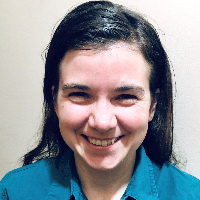
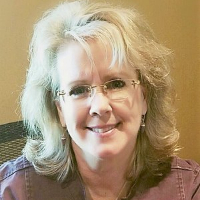
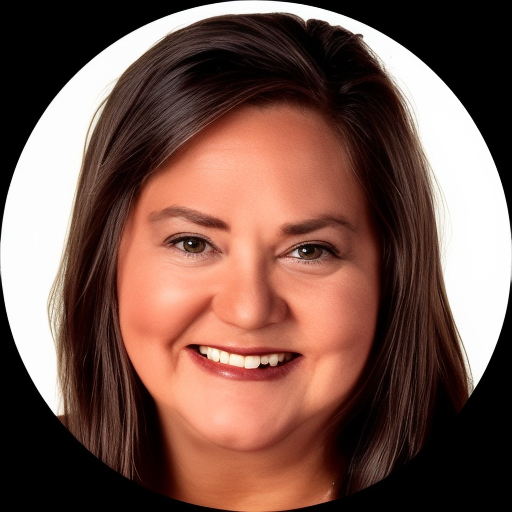
Explore Minnesota-based DBT therapists who focus on treating gambling behaviors using a skills-driven approach. This page highlights providers across the state who use DBT principles to help you manage urges and rebuild stable routines.
Browse the listings below to compare clinicians, learn about their DBT training, and request a consultation in Minneapolis, Saint Paul, Rochester or elsewhere in Minnesota.










How DBT Approaches Gambling
If you are struggling with gambling, dialectical behavior therapy offers a structured, skills-focused path to manage urges and reduce harm. DBT was designed to help people cope with intense emotions and impulsive behaviors. For gambling concerns, that framework translates into practical tools that help you notice triggers, tolerate distress without acting on urges, regulate intense feelings that drive gambling, and repair or strengthen relationships affected by gambling behavior.
Mindfulness skills are often the first step you will learn. These practices help you observe urges as they arise without immediately reacting. Becoming more aware of the sensations, thoughts, and emotions that accompany an urge can give you a moment of choice. Distress tolerance provides short-term strategies to survive and reduce the intensity of an urge when it hits - skills you can use when you need to wait out an urge without making a risky decision. Emotion regulation helps you identify patterns of vulnerability - such as sleep loss, substance use, or unmanaged anxiety - and build routines to lower the intensity and frequency of emotional states that prompt gambling. Interpersonal effectiveness teaches you how to set boundaries, ask for help, and negotiate difficult conversations that might otherwise lead to secrecy or escalation.
DBT Tools You Will Use
In a DBT-informed program for gambling you will probably use diary cards to track urges, wins, slips, and the skills you used. Chain analysis - a step-by-step review of what led to a gambling episode - helps you and your therapist identify vulnerable moments and put alternative responses in place. Skills coaching between sessions is a common component so you can get brief support when an urge arises. The overall approach is behavioral and problem-focused - you practice skills in real life, review what happened, and adjust the plan.
Finding DBT-Trained Help for Gambling in Minnesota
When you look for a DBT provider in Minnesota, you want someone who is experienced applying DBT to addictive or impulsive behaviors. Ask prospective clinicians about their training in DBT and whether they have worked specifically with gambling or behavioral addictions. Many therapists in urban centers like Minneapolis and Saint Paul also run DBT skills groups, which are an important part of a comprehensive DBT program. In smaller communities and surrounding suburbs you might find clinicians who combine DBT with other therapeutic approaches to tailor treatment. Rochester, Duluth, and Bloomington are among the places where DBT-informed clinicians practice, and many therapists offer telehealth options to reach you wherever you live in the state.
Questions to Ask When You Contact a Therapist
When you reach out, ask how they adapt DBT for gambling, whether they offer weekly skills groups, and how they incorporate between-session coaching. Inquire about session frequency, assessment methods, and how they measure progress. You can also ask about their experience with financial planning or collaboration with other professionals if debt or legal issues are part of your situation. These conversations will help you find someone whose approach and practical arrangements fit your needs.
What to Expect from Online DBT Sessions for Gambling
Online DBT in Minnesota often mirrors in-person programs in structure. You can expect regular individual therapy aimed at addressing the most pressing problems and developing a personalized treatment plan. Weekly or biweekly skills group classes teach and practice the four DBT modules - mindfulness, distress tolerance, emotion regulation, and interpersonal effectiveness - with homework and in-session exercises. Between-session coaching gives you a way to get support when urges are strong or when you need help applying a skill in real time.
During online individual sessions you will work with your therapist to identify high-risk situations and complete chain analyses of episodes. Skills groups typically involve instruction, role-play, and guided practice so you can try new responses to triggers. Technology makes it easier to attend groups if you live outside Minneapolis or Saint Paul, but it also requires that you set up a distraction-free area where you can practice and engage. Be ready to use diary cards and homework assignments; these are central to tracking patterns and building new habits.
Evidence and Local Practice
While research into DBT specifically for gambling is still growing, clinicians and researchers have adapted DBT for a range of behavioral addictions with promising results. Evidence supports the core idea that strengthening coping skills reduces impulsive behavior and improves emotional control. In Minnesota, behavioral health programs and private clinicians have increasingly integrated DBT skills into treatment plans for gambling, often combining DBT with financial counseling, group support, and case management when needed. The clinical literature and local practice suggest that a skills-based, structured approach is a useful option alongside other resources you might pursue.
Choosing the Right DBT Therapist for Gambling in Minnesota
Picking a therapist is a personal decision and you should feel comfortable asking direct questions. Look for a clinician who explains how they tailor DBT to gambling, who includes skills group participation as part of treatment, and who describes measurable goals for reducing harm and improving functioning. Consider logistics - whether they offer telehealth if travel to Minneapolis or Rochester is difficult, whether their schedule fits yours, and how they handle crisis or between-session support. Ask about insurance, sliding scale options, and whether they can coordinate with other professionals such as financial advisors, probation officers, or family members when appropriate.
Also consider cultural fit and accessibility. You want a provider who respects your background and communicates in a way that resonates with you. If you have specific needs - for example, language preferences or accessibility considerations - bring them up early. A good therapist will welcome your questions and help you understand the plan for therapy.
Practical Steps to Begin
Start by browsing the profiles on this page and making a short list of clinicians whose training and approach match your priorities. Prepare a few questions about how they use DBT for gambling, what the first month of treatment looks like, and what steps they take when a slip occurs. When you schedule an initial consultation, notice whether the therapist explains the role of skills practice, diary cards, and chain analysis, and whether they offer a skills group or can refer you to one. Finally, plan for the practical side - set aside time for sessions, identify a quiet area for online meetings, and think about who you want involved in your treatment plan.
Support Across Minnesota
Whether you live in Minneapolis, Saint Paul, Rochester, Duluth, or Bloomington, DBT-trained clinicians in Minnesota offer a pathway to build the skills that reduce gambling-related harm. You do not have to navigate this alone - a DBT approach gives you a toolkit to manage urges, regulate emotion, tolerate distress, and improve relationships as you work toward greater stability. Use the listings above to contact therapists who can help you get started and to find an approach that fits your life and goals.