Find a DBT Therapist for Anger in Minnesota
This page connects you with therapists in Minnesota who use Dialectical Behavior Therapy to address anger through a skills-based approach. Browse the listings below to compare providers, training, and services in Minneapolis, Saint Paul, Rochester and beyond.





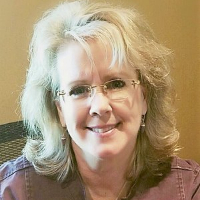
James Powell
LICSW
Minnesota - 25yrs exp














How DBT approaches anger
When anger feels overwhelming you often want tools that work in the moment and strategies that change how you react over time. Dialectical Behavior Therapy focuses on teaching practical skills that help you notice, tolerate, and change intense emotional responses. Rather than avoiding anger or trying only to suppress it, DBT helps you understand the triggers and patterns that lead to heated reactions while building alternative responses you can use in day-to-day life.
Mindfulness and noticing triggers
Mindfulness is the foundation of DBT practice. In sessions you will learn how to observe your thoughts, bodily sensations, and urges without immediately acting on them. This skill gives you a brief space to choose a response instead of reacting automatically. Over time this habit of noticing can reduce the speed and intensity of angry responses and help you make decisions that match your values.
Distress tolerance for urgent moments
Distress tolerance skills are tools for getting through moments when anger spikes and immediate change feels impossible. These are techniques you can use to calm your nervous system, ride out intense feelings, and avoid behaviors you may regret. If you are worried about an argument escalating or fear making a situation worse, distress tolerance offers practical steps to de-escalate and preserve relationships until you can address the issue more effectively.
Emotion regulation to change patterns
Emotion regulation teaches you to identify the factors that increase anger, such as sleep loss, unmet needs, or chronic stress, and to alter those contributors. You will practice skills for reducing vulnerability to anger and for shifting emotional intensity. These strategies are intended to create lasting change, not just temporary relief, so you can respond to difficult situations with more flexibility and less reactivity.
Interpersonal effectiveness for better outcomes
Anger often affects relationships. Interpersonal effectiveness focuses on ways to communicate needs, set boundaries, and repair conflicts while maintaining self-respect and relationships. You will learn how to express difficult emotions clearly and assertively, negotiate solutions, and handle criticism or rejection without escalating into aggression or withdrawal.
Finding DBT-trained help for anger in Minnesota
Looking for DBT expertise in Minnesota means paying attention to the structure of treatment as well as individual credentials. A full DBT program typically includes individual therapy, a weekly skills group, and between-session coaching or support. When you contact a therapist or clinic ask whether they offer these components and whether clinicians participate in a DBT consultation team - that collaborative process helps ensure clinicians follow DBT principles consistently.
Many larger clinics and outpatient programs in Minneapolis and Saint Paul host structured DBT groups. University-affiliated clinics and hospital outpatient programs may offer DBT-informed care and are often a good place to find clinicians who receive ongoing training. If you live outside the Twin Cities you can also check listings in Rochester or other regional centers for clinicians who travel, run intensive weekend workshops, or provide telehealth services that bring DBT skills groups within reach.
What to expect from online DBT sessions for anger
Online DBT expands access across Minnesota, which can be important if you live in a rural community or prefer remote care. In a typical online program you will meet one-on-one with a therapist for weekly individual sessions and join a virtual skills group where a small cohort practices and reviews the four DBT modules. Many programs also offer coaching between sessions so you can get support applying skills in real time; this is often delivered by phone or messaging during agreed hours and aims to help you use skills when they matter most.
Telehealth sessions follow much of the same structure as in-person work. Individual sessions focus on your personal targets, diary cards, and progress toward goals. Skills groups introduce and rehearse techniques such as mindfulness exercises, distress tolerance strategies, emotion regulation routines, and interpersonal scripts. If you choose remote care, ask about how group size, confidentiality protections, and technology support are handled so you feel comfortable participating during emotionally charged topics.
Evidence and local adoption
Research on DBT highlights its strengths for improving emotion regulation and reducing behaviors that often accompany intense anger. Clinicians and programs in Minnesota have increasingly integrated DBT into services for adults and adolescents who find anger disrupts work, relationships, or safety. While individual experiences vary, many providers in the state report using DBT to teach skills that patients can practice immediately and build on over time.
Local mental health centers and specialty outpatient programs in Minneapolis and Saint Paul frequently list DBT training among their offerings, and training opportunities in the region help maintain a community of clinicians who consult and refine their approach. If you want to learn whether a particular clinician is using evidence-based methods, ask about their training history, the components they include in treatment, and how they measure progress.
Choosing the right DBT therapist for anger in Minnesota
Selecting a therapist is as much about fit as it is about qualifications. You will want someone who understands anger as a functional response and who is willing to teach skills you can practice. Ask prospective therapists how they structure DBT for anger - whether they prioritize skills training, how they use coaching, and how they involve significant others if relationships are affected. It can help to request an initial consultation to assess whether their style feels supportive and realistic for your life.
Consider practical questions too - does the clinician offer group skills in the evenings, do they accept your insurance, and can they accommodate your schedule? If in-person care matters, note that options are often concentrated in Minneapolis or Saint Paul, while telehealth can connect you to clinicians based near Rochester or other cities. Also inquire about cultural competence and experience working with people from backgrounds similar to your own so the work resonates with your values.
Next steps
DBT offers a structured, skills-focused path for managing anger that you can practice in everyday moments. Whether you prefer in-person sessions in the Twin Cities or online groups that fit a busy schedule, Minnesota clinicians trained in DBT aim to teach strategies that help you respond differently to provocation, set boundaries without burning bridges, and recover more quickly from intense emotions. Use the listings above to compare providers, read therapist profiles, and reach out for an introductory conversation so you can find a clinician whose approach matches your goals.